Precise speed control is critical in microalgae anaerobic digestion because it directly dictates the efficiency of the interaction between the biomass and the microbial community. A mechanical shaker or stirrer operating at the correct speed ensures continuous mixing, which prevents material separation and maximizes the contact time between the microalgae and anaerobic microorganisms like methanogens. Without this regulation, the system risks developing inefficiencies that compromise both biological stability and gas production rates.
Core Insight: The function of a stirrer is not merely to move fluid, but to maintain a homogenous biological environment. Precise speed control prevents physical stratification and ensures that nutrients are evenly accessible to methanogens, creating the stable conditions required for high biogas yields.
Optimizing Microbial Interaction
Facilitating Biomass Contact
The fundamental goal of the digestion process is the breakdown of microalgae by anaerobic bacteria. Methanogens require physical contact with the algae biomass to initiate digestion. Precise mixing ensures this contact occurs continuously, rather than sporadically.
Uniform Nutrient Distribution
A static fluid allows nutrients to settle or concentrate in specific areas. Controlled stirring maintains a uniform distribution of these nutrients and metabolites throughout the reactor volume. This homogeneity ensures that the entire microbial population has equal access to food sources, preventing localized starvation.
Managing Physical Reactor Conditions
Preventing Stratification
Without constant, regulated movement, the reactor contents will naturally separate. This leads to stratification, where solids settle to the bottom or float to the top. Precise speed control counteracts gravity, keeping solids suspended and chemically active.
Eliminating Dead Zones
Improper mixing speeds often result in dead zones—areas within the reactor where no mixing occurs. In these stagnant pockets, biological activity halts, and the effective volume of the reactor decreases. Consistent agitation ensures the entire reactor volume is utilized for digestion.
Aiding Biogas Release
As digestion progresses, biogas is produced within the mixture. Mechanical stirring facilitates the timely release of these gas bubbles from the liquid matrix. This prevents gas entrapment, which can otherwise disrupt the biological balance of the system.
Understanding the Trade-offs
The Risk of Instability
Failing to maintain precise control leads to a volatile system. If mixing is intermittent or the speed drifts, the environment shifts between homogenous and stratified states. This fluctuation stresses the microbial colony, leading to erratic gas production rates and reduced overall system stability.
Balancing Mixing and settling
While mixing is vital, the control must be attuned to the specific needs of the system. The goal is to prevent settling without causing unnecessary turbulence. The "sweet spot" is a speed that maintains suspension without disrupting the delicate anaerobic processes.
Making the Right Choice for Your Goal
To apply this to your operational strategy, consider your primary objective:
- If your primary focus is maximizing gas yield: Prioritize a mixing speed that ensures absolute homogeneity to eliminate dead zones where production stops.
- If your primary focus is process stability: Focus on constant, uninterrupted speed control to prevent stratification and ensure a steady release of metabolic byproducts.
Precise control turns a chaotic biological mixture into a predictable, high-performing energy system.
Summary Table:
| Key Factor | Impact of Precise Speed Control | Consequence of Poor Control |
|---|---|---|
| Microbial Contact | Maximizes interaction between methanogens and biomass | Sporadic contact leading to slow digestion |
| Nutrient Distribution | Ensures uniform access to nutrients across the reactor | Localized nutrient depletion and starvation zones |
| Physical State | Maintains suspension and prevents stratification | Solids settle or float, reducing active reactor volume |
| Gas Release | Facilitates timely release of biogas bubbles | Gas entrapment and biological instability |
| Reactor Efficiency | Eliminates dead zones for full volume utilization | Stagnant pockets reduce effective processing capacity |
Elevate Your Anaerobic Digestion Efficiency with KINTEK
Precise control is the difference between a stagnant reactor and a high-performing energy system. At KINTEK, we understand that microalgae research requires exact mechanical parameters to ensure stable microbial environments and maximum biogas yields.
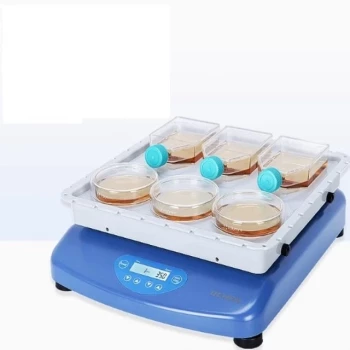
Our advanced range of laboratory equipment is designed for researchers who demand precision. Whether you are optimizing biomass interaction with our shakers and shakers, preparing samples with our crushing and milling systems, or requiring specialized high-temperature high-pressure reactors and autoclaves, KINTEK provides the reliability your lab needs.
Ready to optimize your biogas production? Contact us today to discover how our high-performance stirrers, homogenizers, and comprehensive lab consumables can enhance your research outcomes.
References
- Sheetal Kishor Parakh, Yen Wah Tong. From Microalgae to Bioenergy: Recent Advances in Biochemical Conversion Processes. DOI: 10.3390/fermentation9060529
This article is also based on technical information from Kintek Solution Knowledge Base .
Related Products
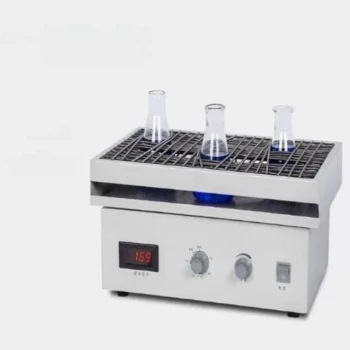
- Laboratory Multifunctional Small Speed-Adjustable Horizontal Mechanical Shaker for Lab
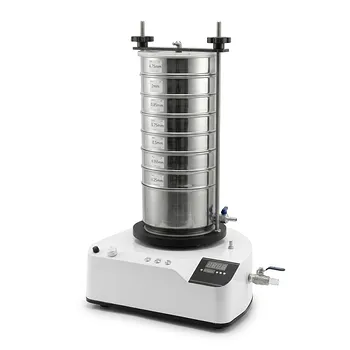
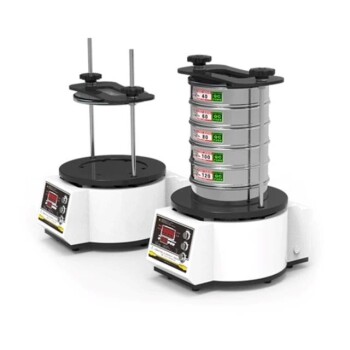
- Laboratory Vibratory Sieve Shaker Machine for Dry and Wet Three-Dimensional Sieving
- Laboratory Vibratory Sieve Shaker Machine Slap Vibrating Sieve
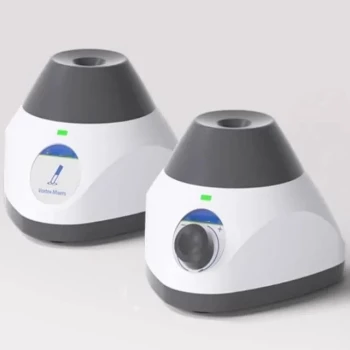
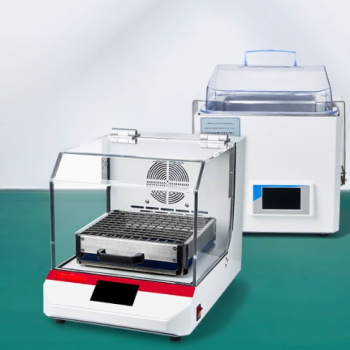
- Laboratory Vortex Mixer Orbital Shaker Multifunctional Rotation Oscillation Mixer
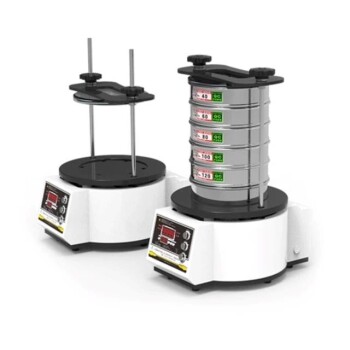
- Laboratory Test Sieves and Vibratory Sieve Shaker Machine
People Also Ask
- How do static culture and shaking culture affect the morphology of BC? Optimize Lab Shaker Results
- What is the role of a laboratory shaker in silane sol preparation? Master Uniform Aramid Fabric Coating
- Why is a laboratory shaker required for continuous 24-hour catalyst treatment? Achieve Deep Uniform Impregnation
- What is the function of a laboratory shaker in evaluating Fe-C@C nanoparticles? Optimize Methylene Blue Adsorption
- How do laboratory shakers or stirrers influence the efficiency of hydrogen production during dark fermentation?