The primary reason Zircaloy-4 components undergo high-pressure autoclave steam oxidation is to pre-generate a critical protective layer of zirconium dioxide (ZrO2). By subjecting the metal to high-pressure steam at temperatures around 400°C, a dense, shiny black film is formed that acts as a robust physical barrier against corrosive environments.
In the harsh environment of nuclear fuel reprocessing, raw Zircaloy-4 is vulnerable. The autoclave treatment creates a pre-emptive, high-integrity oxide shield that resists erosion from boiling nitric acid, ensuring component longevity and safety.
The Mechanics of Protection
Creating the Oxide Barrier
The treatment process utilizes high-pressure steam and elevated temperatures, specifically around 400°C. This environment forces a controlled oxidation reaction on the surface of the Zircaloy-4 component.
Formation of Zirconium Dioxide
The result of this treatment is the formation of Zirconium Dioxide (ZrO2). This is not merely a superficial coating; it is a chemical transformation of the component's surface into a ceramic-like shield.
Characteristics of the Film
The quality of the oxide layer is visually distinct, appearing as a shiny black film. This appearance indicates the formation of a dense and highly adherent layer that is physically robust.
Defending Against Reprocessing Hazards
The Nitric Acid Threat
Nuclear fuel reprocessing equipment operates in a highly aggressive environment characterized by high-concentration boiling nitric acid. Without protection, standard alloys are susceptible to rapid degradation and erosion.
Resisting Erosion
The pre-generated ZrO2 layer functions as a physical barrier against this chemical attack. It effectively resists the erosive forces of the boiling acid, maintaining the structural integrity of the component.
Extending Service Life
By preventing direct contact between the corrosive medium and the base metal, the treatment significantly extends the equipment's operational lifespan. This is critical for maintaining reliability in highly oxidizing environments.
The Criticality of Process Control
The "Pre-Generated" Requirement
A key aspect of this process is that the protection is pre-generated. One cannot rely on the operating environment to gradually form this protective layer; it must be fully established and intact before the component enters service.
Visual Validation
The "shiny black" appearance mentioned in the reference is a vital quality control indicator. If the process parameters (temperature or pressure) are incorrect, the oxide may not achieve the necessary density or adherence to provide effective protection.
Making the Right Choice for Your Goal
To ensure the reliability of reprocessing equipment, you must prioritize the integrity of this surface treatment.
- If your primary focus is maximizing component lifespan: Verify that the autoclave treatment has produced a uniform, shiny black finish, as this confirms the density required to resist long-term nitric acid erosion.
- If your primary focus is operational safety: Ensure the ZrO2 layer is fully pre-generated before installation to provide an immediate, robust barrier against high-concentration oxidizing agents.
The high-pressure autoclave treatment is not an optional step; it is the fundamental enabler that allows Zircaloy-4 to survive the extreme conditions of nuclear reprocessing.
Summary Table:
| Feature | Treatment Specification | Protective Outcome |
|---|---|---|
| Medium | High-pressure steam | Controlled chemical transformation |
| Temperature | Approximately 400°C | Formation of Zirconium Dioxide (ZrO2) |
| Visual Indicator | Shiny black film | Dense, high-integrity physical barrier |
| Primary Threat | Boiling nitric acid | Resistance to erosion and degradation |
| Key Benefit | Pre-generated shielding | Extended service life & operational safety |
Secure the Integrity of Your Nuclear Research & Chemical Processing
At KINTEK, we understand that material survival in extreme environments depends on precision treatment. Our industry-leading high-temperature high-pressure reactors and autoclaves are engineered to deliver the exact 400°C steam environments required to develop high-density ZrO2 protective layers on Zircaloy-4 components.
Whether you are managing nuclear fuel reprocessing or high-concentration acid environments, KINTEK provides the specialized laboratory equipment you need to succeed:
- Advanced Autoclaves & Reactors: Achieve uniform, dense oxide films for maximum erosion resistance.
- High-Temperature Systems: Precision muffle and vacuum furnaces for critical material transformations.
- Comprehensive Lab Solutions: From hydraulic presses to ceramic crucibles and cooling solutions.
Don't leave your component longevity to chance. Contact KINTEK today to discover how our high-pressure systems can enhance your material performance and safety standards.
References
- U. Kamachi Mudali, Baldev Raj. Application of Zirconium Alloys for Reprocessing Plant Components. DOI: 10.13182/nt12-73
This article is also based on technical information from Kintek Solution Knowledge Base .
Related Products
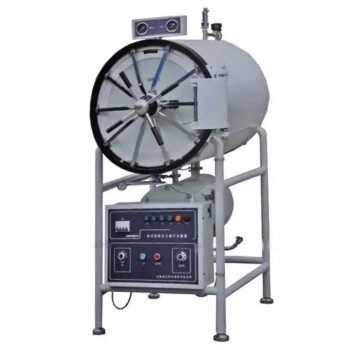
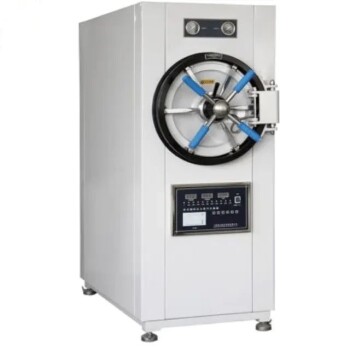
- Laboratory High Pressure Horizontal Autoclave Steam Sterilizer for Lab Use
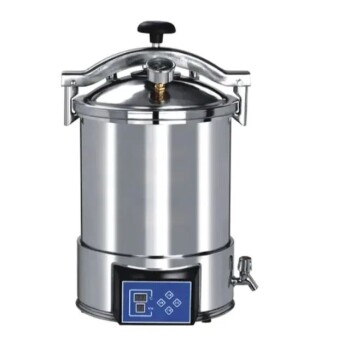
- Portable High Pressure Laboratory Autoclave Steam Sterilizer for Lab Use
- Desktop Fast High Pressure Laboratory Autoclave Sterilizer 16L 24L for Lab Use
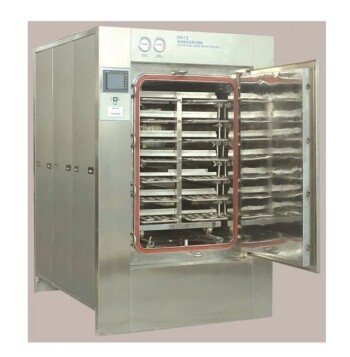
- Laboratory High Pressure Steam Sterilizer Vertical Autoclave for Lab Department
- Mini SS High Pressure Autoclave Reactor for Laboratory Use
People Also Ask
- Why is a laboratory high-pressure autoclave sterilizer necessary? Ensure Accuracy in Antibacterial Research
- What is the role of a laboratory high-pressure autoclave in the conversion of furfural to piperidine? Optimize Yields
- What is the primary function of a laboratory autoclave in the pre-treatment of medical plastic waste for liquid fuel?
- What is an autoclave laboratory equipment? The Ultimate Guide to Steam Sterilization
- What is a laboratory autoclave? A Guide to Sterilization with Pressurized Steam