Toggle Categories
Get Instant Support
Choose your preferred way to connect with our team
Response Time
Within 8 hours on working days, 24 hours on holidays
Sample Preparation
KinTek sample preparation equipment includes sample crushing,milling, as while as while sieving equipment, hydraulic press equipment includes manual press, electric press, isostatic press, hot press and press filtering machine.

Isostatic Press
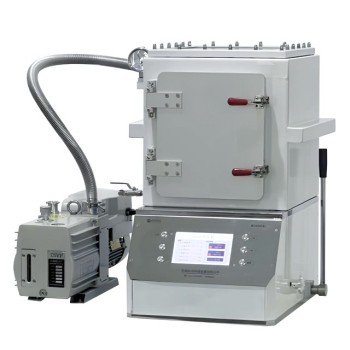
Vacuum Heated Lab Press

Automatic Heated Lab Press

Electric Lab Press

Customer-made Press

Manual Heated Lab Press

Manual Lab Press
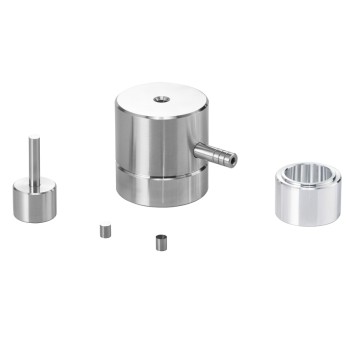
Molds & Accessories
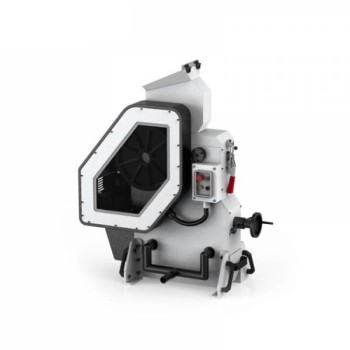
Crushing & Grinding Machine
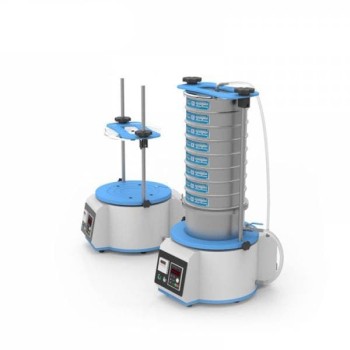
Sieving Machine

Milling Equipment
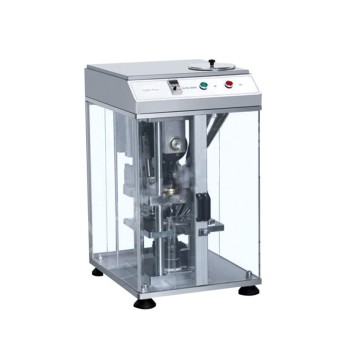
Tablet punching machine
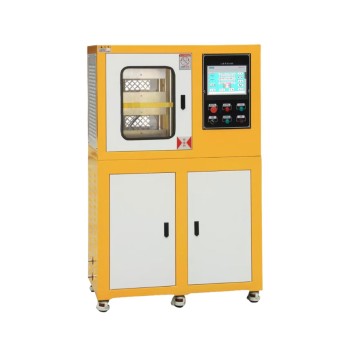
Rubber processing machine
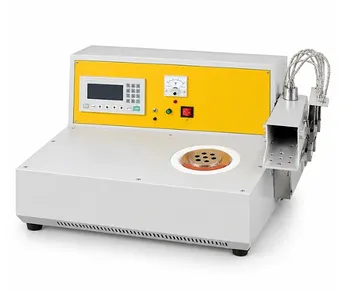
Coal Quality Analyzers
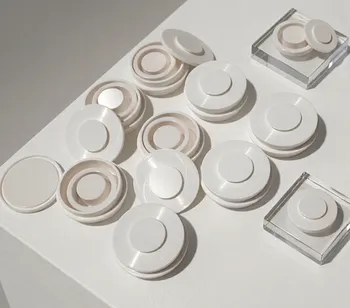
Assay Equipment Accessories & Consumables
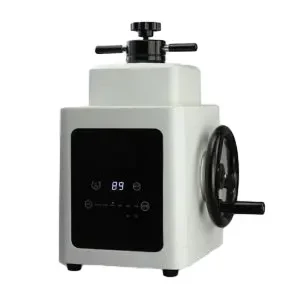
Mounting Machine
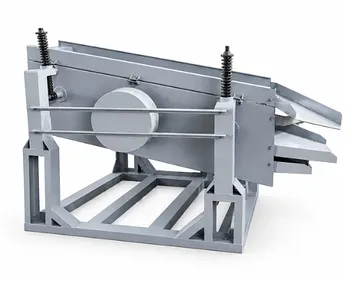
Coal, Coke & Ore Physical Testing
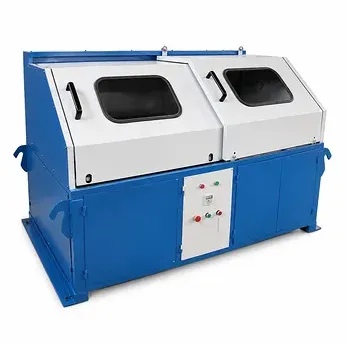
Rod Mill
Thermal Equipment
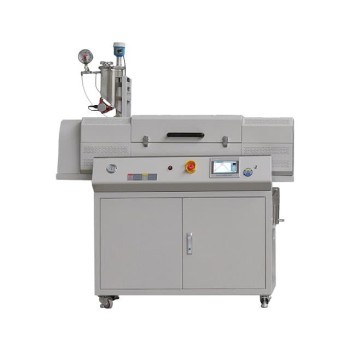
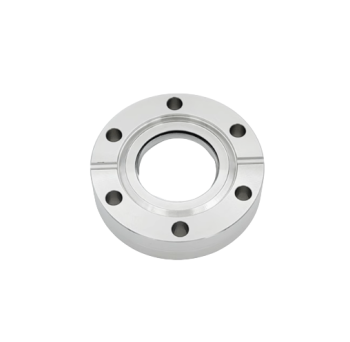
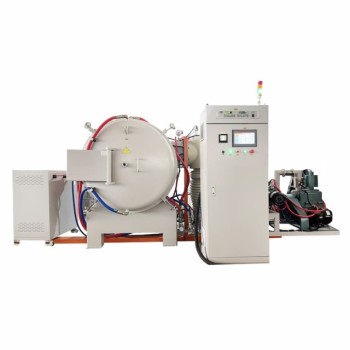
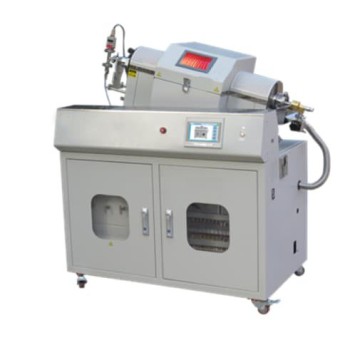
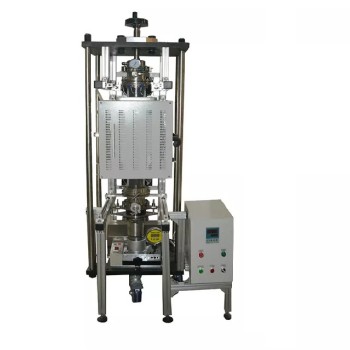
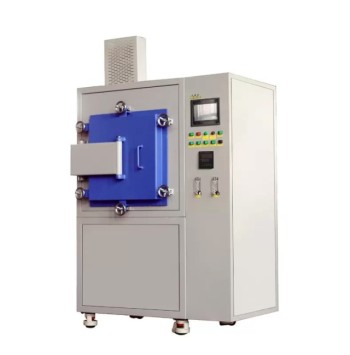
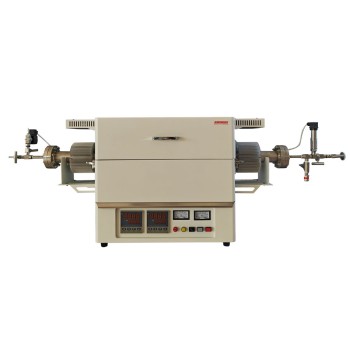
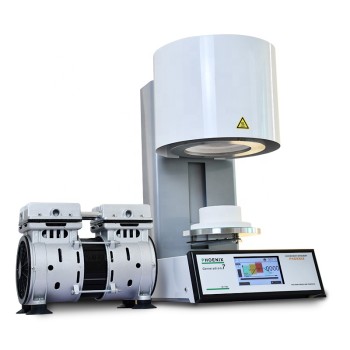
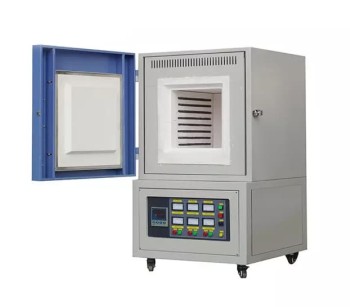
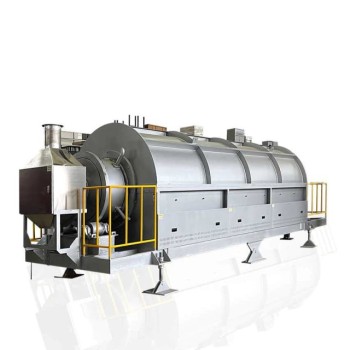
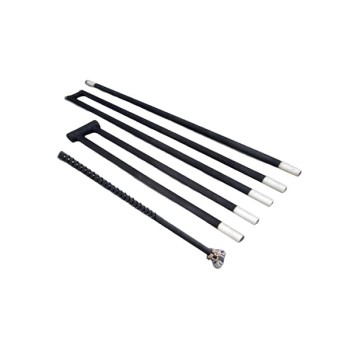
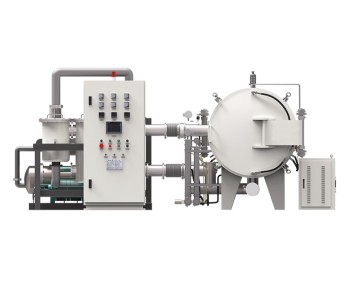
KinTek supplies a broad range of high-temperature furnaces, including lab, pilot production, and industrial production furnaces, with a temperature range of up to 3000 ℃. One of KinTek's advantages is the ability to create custom-made furnaces tailored to specific functions, such as different heating methods and speeds, extra high and dynamic vacuums, controlled atmospheres and gas circuits, automated mechanical structures, and software and hardware development.
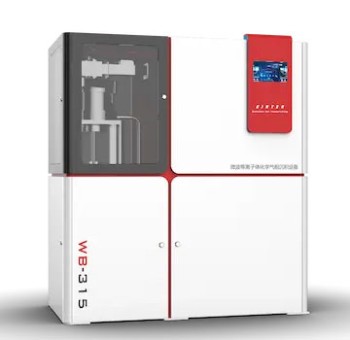
Lab Consumables & Materials
KinTek offers a range of lab consumables and materials, including evaporation materials, targets, metals, electrochemistry parts, as well as powders, pellets, wires, strips, foils, plates, and more.



Bio-Chem Equipment
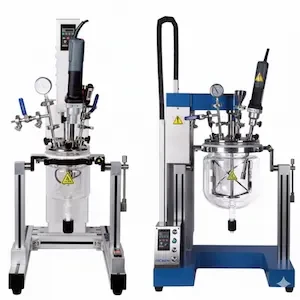
KinTek bio-chem equipment comprises rotary evaporators, glass and stainless steel reactors, distillation systems, circulating heaters and chillers, as well as vacuum equipment.




Products

Hydraulic Diaphragm Lab Filter Press for Laboratory Filtration
Item Number: KH-01

Laboratory Hydraulic Press Lab Pellet Press for Button Battery
Item Number: PCBP

Three-dimensional electromagnetic sieving instrument
Item Number: KT-VT150

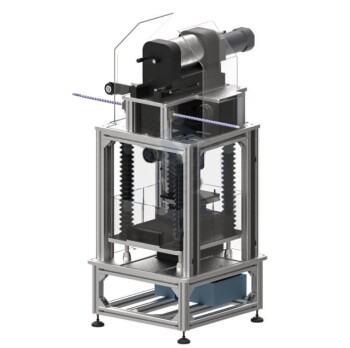
Laboratory Micro Tissue Grinding Mill Grinder
Item Number: KT-MT10
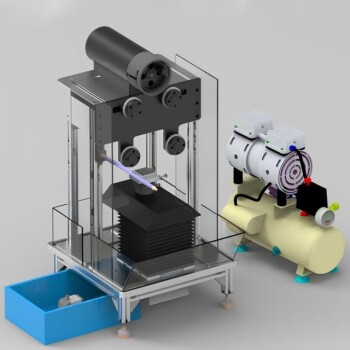

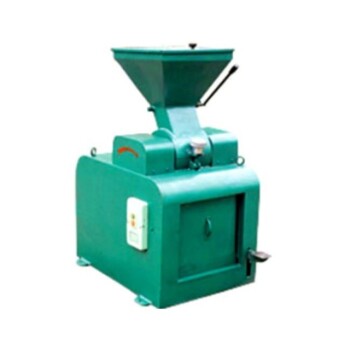
Laboratory Sealed Hammer Crusher for Efficient Sample Preparation
Item Number: KT-PCZ
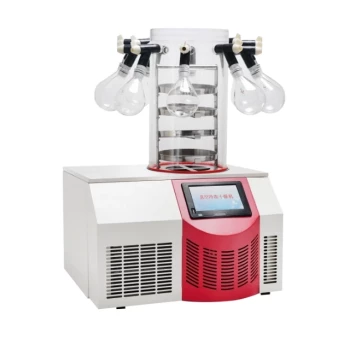
High Performance Laboratory Freeze Dryer
Item Number: KTFD-10P
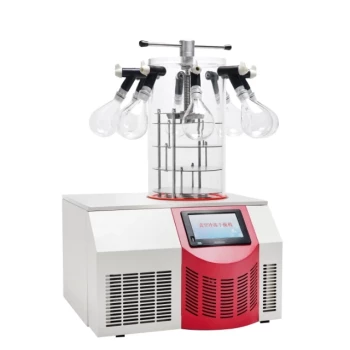
Benchtop Laboratory Freeze Dryer for Lab Use
Item Number: KTFD-10PT
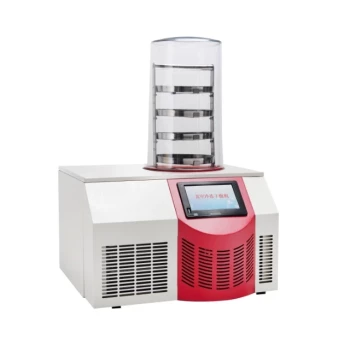
Benchtop Laboratory Vacuum Freeze Dryer
Item Number: KTFD-10S
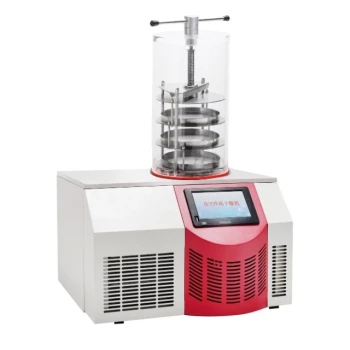
High Performance Laboratory Freeze Dryer for Research and Development
Item Number: KTFD-10T
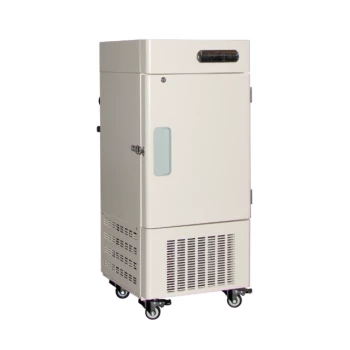
28L Compact Upright Ultra Low Temperature Freezer for Laboratory
Item Number: KTFDV-28
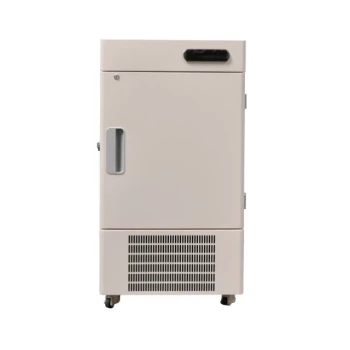
58L Precision Laboratory Ultra Low Temperature Upright Freezer for Critical Sample Storage
Item Number: KTFDV-58X
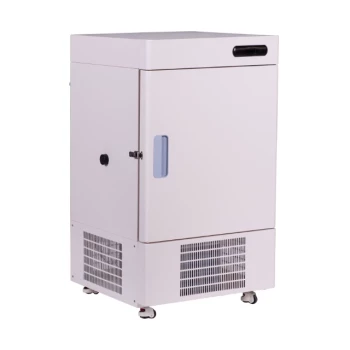
108L Vertical Ultra Low Temperature ULT Freezer
Item Number: KTFDV-108
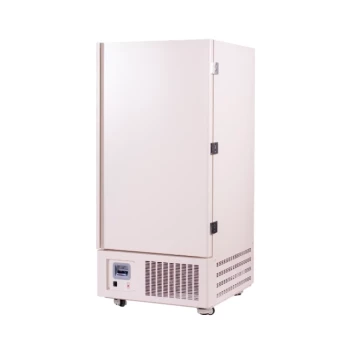

508L Advanced Vertical Ultra Low Temperature Freezer for Critical Laboratory Storage
Item Number: KTFDV-508

608L Essential Laboratory Ultra Low Temperature Freezer For Critical Sample Preservation
Item Number: KTFDV-608

708L Ultra Low Temperature Freezer High Performance Laboratory Freezer
Item Number: KTFDV-708

808L Precision Laboratory Vertical Ultra Low Temperature Freezer
Item Number: KTFDV-808

938L Vertical Ultra Low Temperature Freezer for Advanced Laboratory Storage
Item Number: KTFDV-938
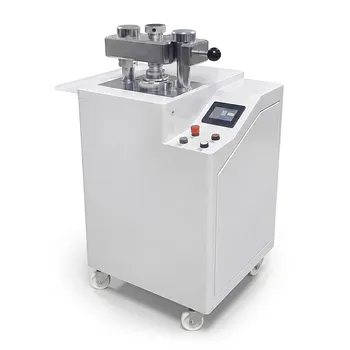
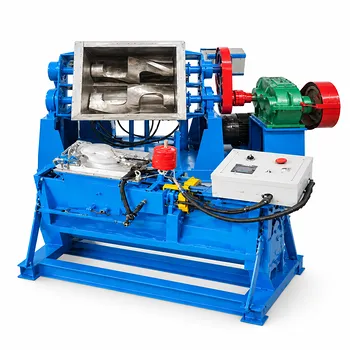
Laboratory Carbon Kneader Mixer High Temperature Pitch Kneading Machine
Item Number: KT-TXH
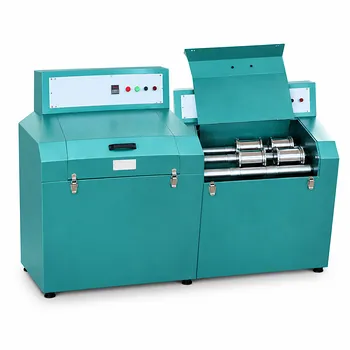
Benchtop Activated Carbon Strength Tester Tumbler Ball Abrasion Testing Machine
Item Number: KT-JTS
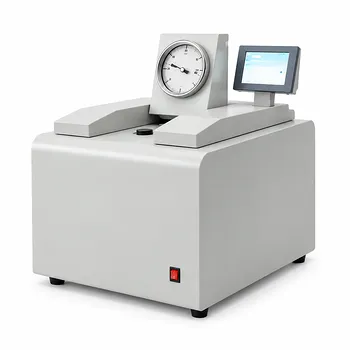
Automatic Calorimeter Oxygen Bomb Calorific Value Tester
Item Number: KT-TE4


Heavy Duty Industrial Stainless Steel Ash Tray Commercial Safety Receptacle
Item Number: KT-HM
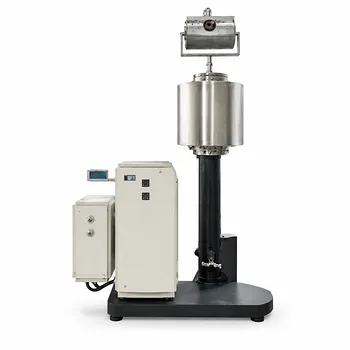
Automatic Coke Reactivity Index and Coke Strength After Reaction CRI CSR Tester
Item Number: KT-JT4
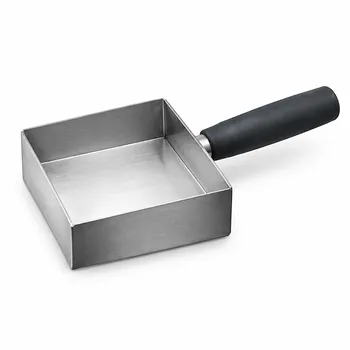
Industrial Laboratory Bulk Material Sampling Scoop Shovel
Item Number: KT-CYA
REQUEST A QUOTE
Our professional team will reply to you within one business day. Please feel free to contact us!
Related Articles
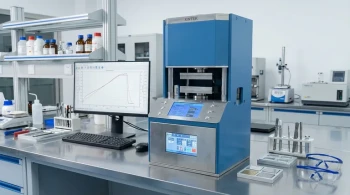
The Physics of Flawless Materials: Deconstructing the Hydraulic Hot Press
Discover how the synergy of Pascal's Law and thermal energy in a hydraulic hot press enables precise, repeatable material bonding and forming.
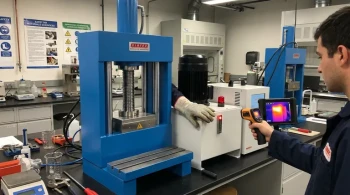
Why Your Hydraulic Press Runs Hot and How to Prevent a Meltdown
Learn why your hydraulic press overheats and how it leads to costly failure. Discover the root cause and the tools you need to fix it for good.
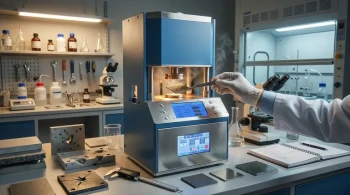
Why Your Molded Parts Fail: The Hidden Truth About Heat and Pressure
Struggling with warped or inconsistent parts? Learn why pressure isn't the problem and how precise thermal control in a hydraulic press is the key.
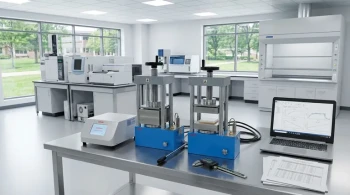
Force Without Fluid: Why Your Hydraulic Press Is a Hidden Bottleneck (And What to Do About It)
Tired of leaks, safety risks, and high energy bills from your hydraulic press? Uncover the core reason and discover modern alternatives for a safer, more efficient lab.
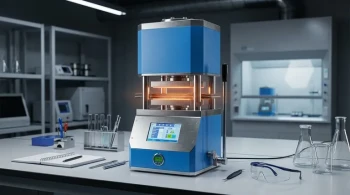
Precision Under Pressure: The Physics and Psychology of the Hydraulic Hot Press
Discover how the synergy of heat and pressure in a hydraulic hot press transforms materials, guided by the elegant physics of Pascal's Law.
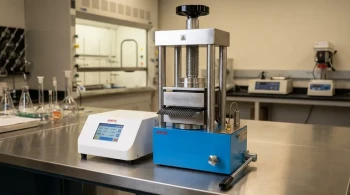
More Than a Squeeze: The Physics and Psychology of the Hydraulic Hot Press
An insight into the hydraulic hot press, where Pascal's Law meets thermodynamics to reshape materials. A story of force, heat, and control.
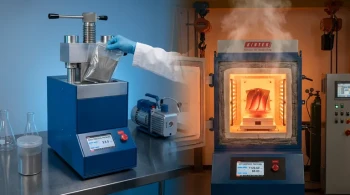
Shaping Potential vs. Forging Perfection: A Guide to Isostatic Pressing
Explore the critical difference between Cold Isostatic Pressing (CIP) for forming parts and Hot Isostatic Pressing (HIP) for perfecting them.
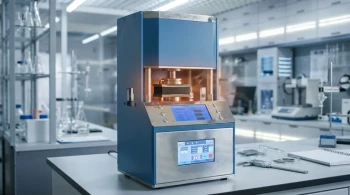
Why Your Composite and Polymer Parts Keep Failing: The Secret Is Simultaneous Heat and Pressure
Struggling with inconsistent composite or polymer bonding? Discover why separate heating and pressing fails and how a hot hydraulic press ensures repeatable, high-quality results.
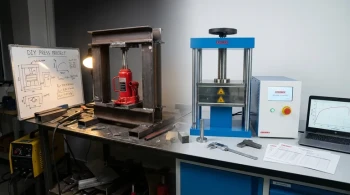
Build vs. Buy: The True Cost of a Hydraulic Press Isn't What You Think
Discover the hidden costs & safety risks of DIY hydraulic presses. Learn why an engineered solution is the smarter investment for professional results.
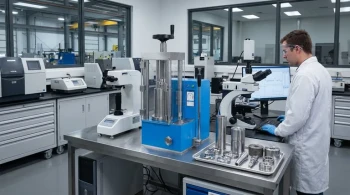
Why Your High-Strength Metal Parts Are Failing—And Why 'More Force' Is the Wrong Answer
Struggling with inconsistent quality in forged parts? Discover why brute force fails and how a controlled squeeze is the key to superior strength.
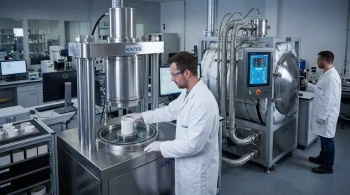
Beyond Brute Force: How Isostatic Pressing Creates Flawless Materials
Explore isostatic pressing, a method using uniform pressure, not brute force, to eliminate microscopic flaws and achieve perfect material density.
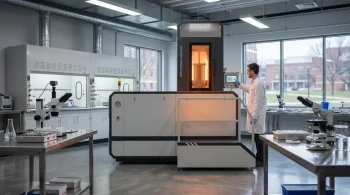
Beyond Brute Force: The Physics and Psychology of Material Transformation
Explore the synergy of hydraulic pressure and thermal energy, and why precise control over both is the key to creating advanced materials.
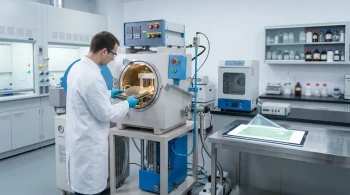
Why Your Lab Press Results are Warped, Bubbled, and Inconsistent—And How to Fix It for Good
Stop wasting materials. Learn why inconsistent heat and pressure ruin lab press results and how the right equipment ensures flawless bonding and molding.

The Architecture of Certainty: Why Three Electrodes Are Better Than Two
Discover why the three-electrode system is the standard for electrochemical precision, separating current flow from voltage measurement for true analytical clarity.
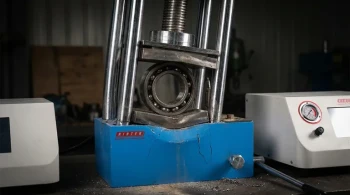
Why Your "Bargain" Hydraulic Press Is Costing You More Than You Think
A cheap hydraulic press seems like a good deal, but frame flex and lack of control lead to failure. Learn how to choose a press based on engineering, not just price.
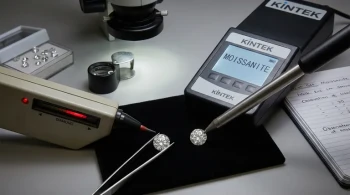
Your Diamond Tester Might Be Lying: Why Moissanite Fools It and How to Get Accurate Results
Is your diamond tester giving false positives? Learn why common testers fail to spot moissanite and discover the dual-test method that ensures accuracy.
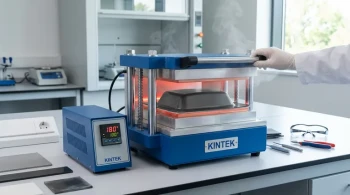
Why Your Molding & Curing Results Are Inconsistent—And How to Fix It
Frustrated with warped parts and failed molding? Discover the hidden reason your hydraulic press may be the problem and how the right tool ensures consistent results.
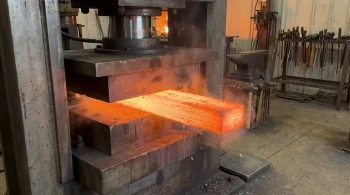
Why Your Forge Welds Fail: The Hidden Power of Pressure Over Impact
Tired of inconsistent Damascus billets and exhausting forging sessions? Discover the root cause and why a hydraulic press is the fix.
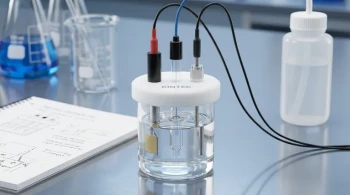
The Choreography of Electrons: Why Precision Demands a Trinity
Precision in coating evaluation isn't about power; it's about separation. Discover why the three-electrode system is the only way to silence electrochemical noise.
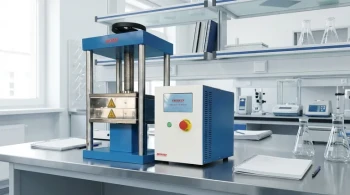
Why Your Lab Press Fails: It's Not the Tonnage, It's the Steel
Discover the hidden reason your hydraulic press gives inconsistent results. Learn why the choice of steel is more critical than tonnage for safety and accuracy.