Toggle Categories
Get Instant Support
Choose your preferred way to connect with our team
Response Time
Within 8 hours on working days, 24 hours on holidays
Sample Preparation
KinTek sample preparation equipment includes sample crushing,milling, as while as while sieving equipment, hydraulic press equipment includes manual press, electric press, isostatic press, hot press and press filtering machine.

Isostatic Press
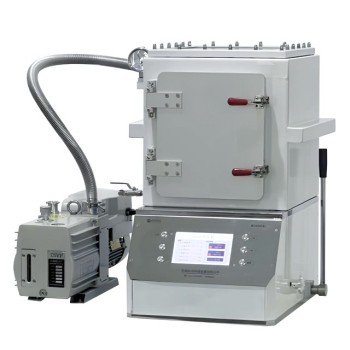
Vacuum Heated Lab Press

Automatic Heated Lab Press

Electric Lab Press

Customer-made Press

Manual Heated Lab Press

Manual Lab Press
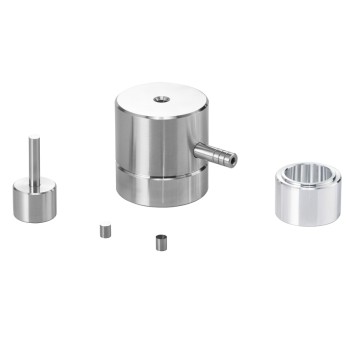
Molds & Accessories
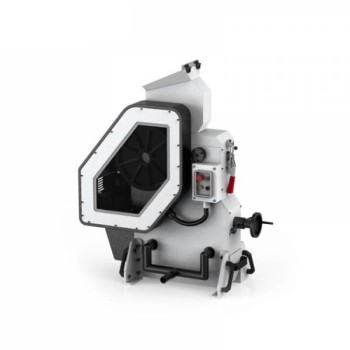
Crushing & Grinding Machine
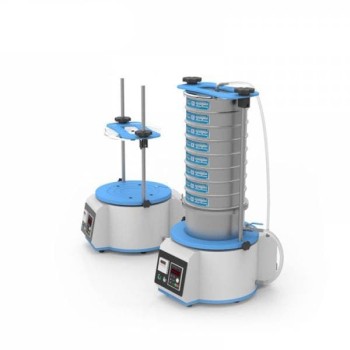
Sieving Machine
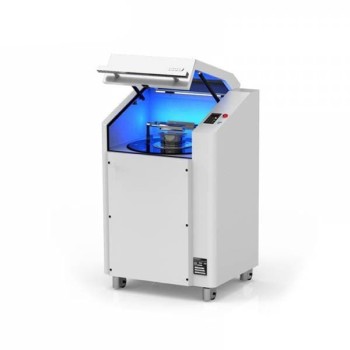
Milling Equipment
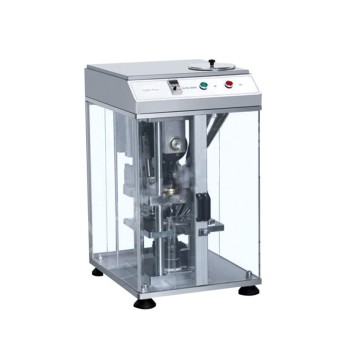
Tablet punching machine
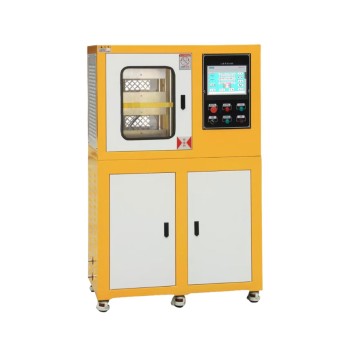
Rubber processing machine
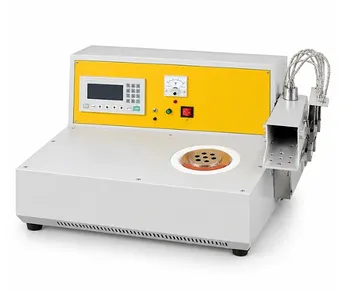
Coal Quality Analyzers

Assay Equipment Accessories & Consumables
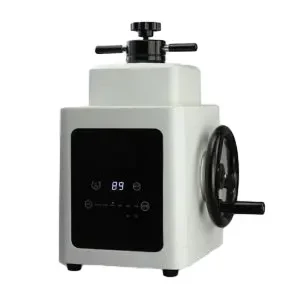
Mounting Machine
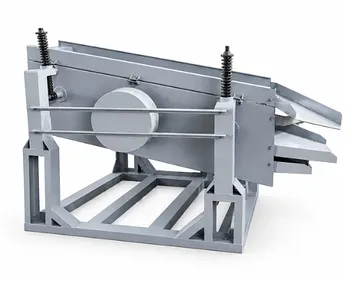
Coal, Coke & Ore Physical Testing
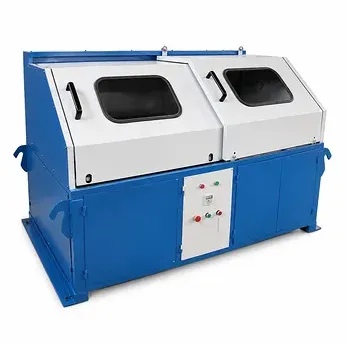
Rod Mill
Thermal Equipment
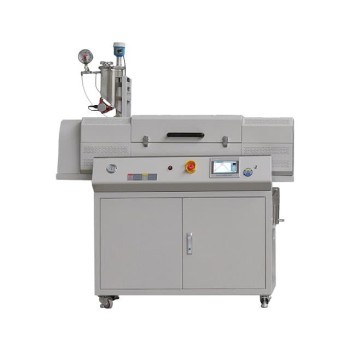
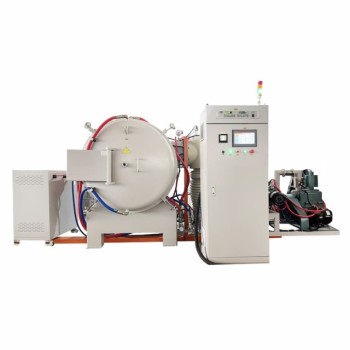
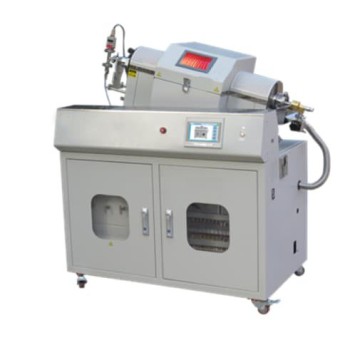
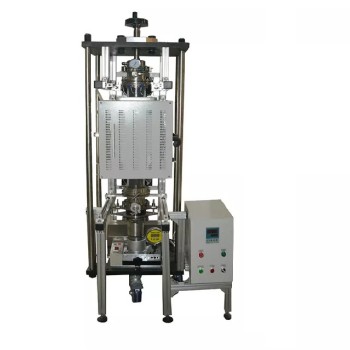
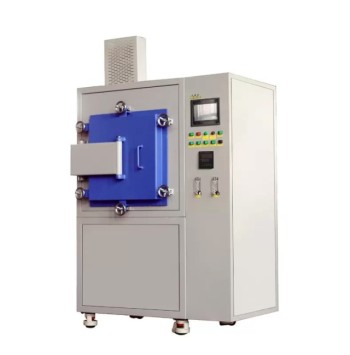
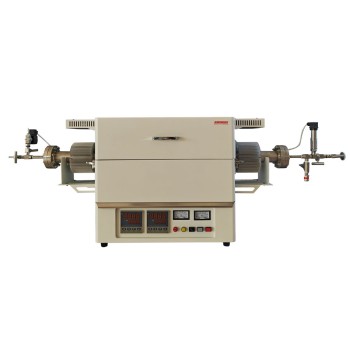
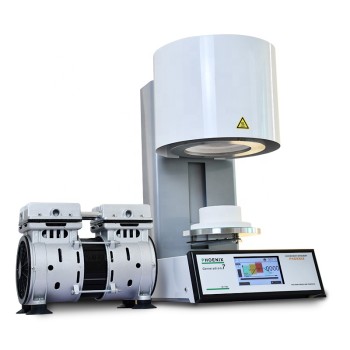
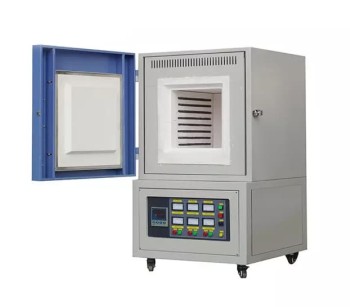
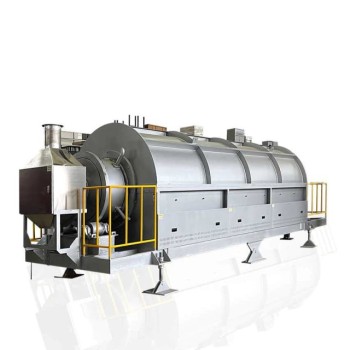
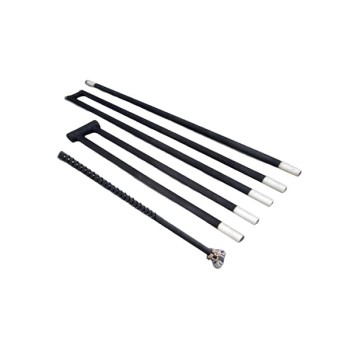
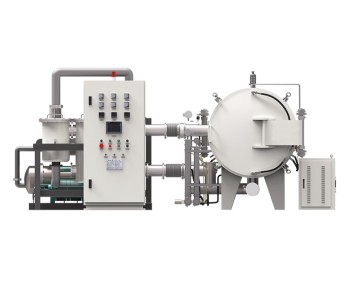
KinTek supplies a broad range of high-temperature furnaces, including lab, pilot production, and industrial production furnaces, with a temperature range of up to 3000 ℃. One of KinTek's advantages is the ability to create custom-made furnaces tailored to specific functions, such as different heating methods and speeds, extra high and dynamic vacuums, controlled atmospheres and gas circuits, automated mechanical structures, and software and hardware development.
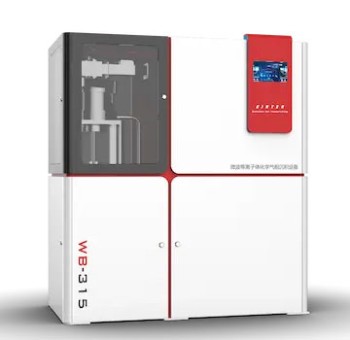
Lab Consumables & Materials
KinTek offers a range of lab consumables and materials, including evaporation materials, targets, metals, electrochemistry parts, as well as powders, pellets, wires, strips, foils, plates, and more.



Bio-Chem Equipment
KinTek bio-chem equipment comprises rotary evaporators, glass and stainless steel reactors, distillation systems, circulating heaters and chillers, as well as vacuum equipment.



Products
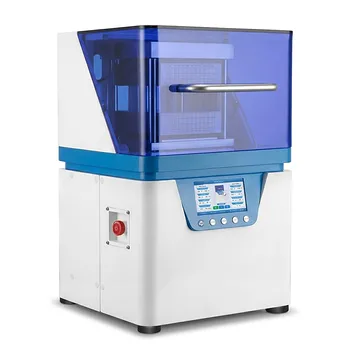
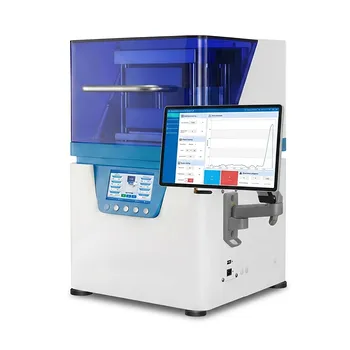
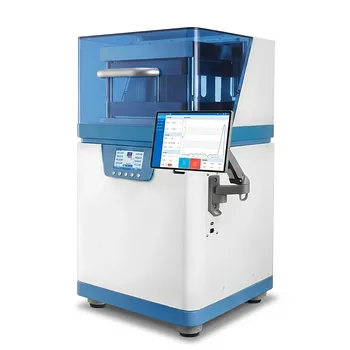
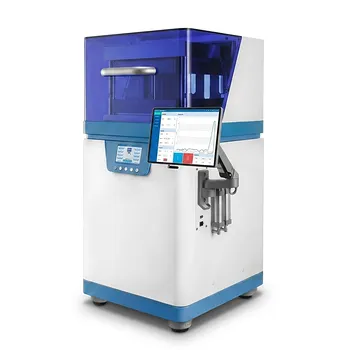
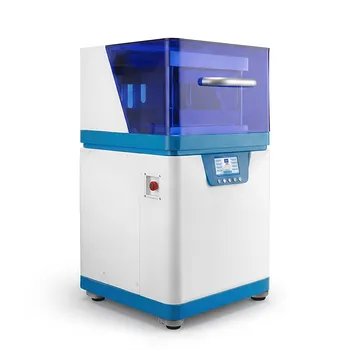
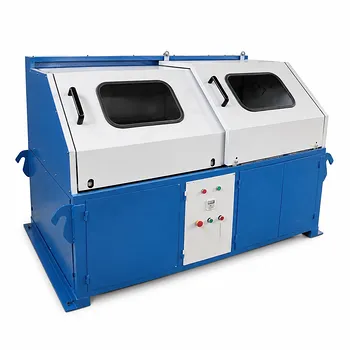
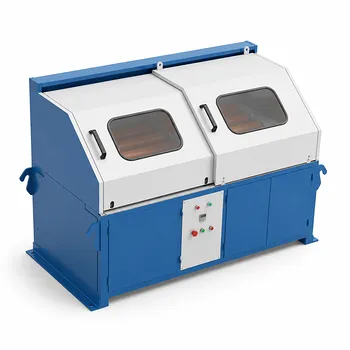
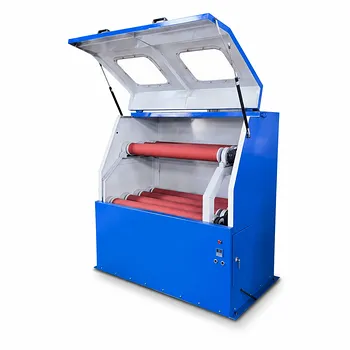
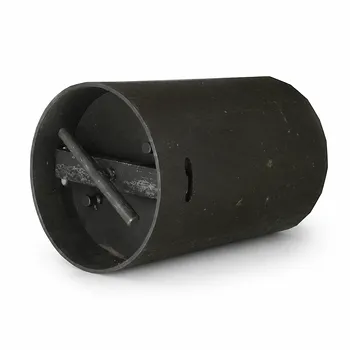
Eco Friendly Sealed Double Layer Small Rod Mill
Item Number: KT-BMB
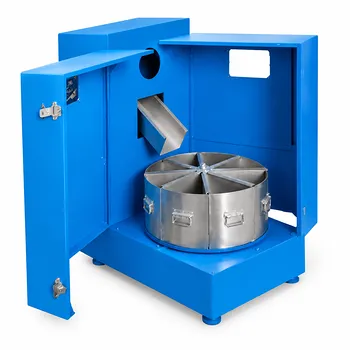
Sealed Variable Frequency Rotary Sample Divider with 6 and 8 Bucket Options
Item Number: KT-TX
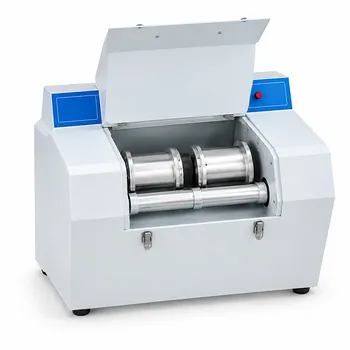
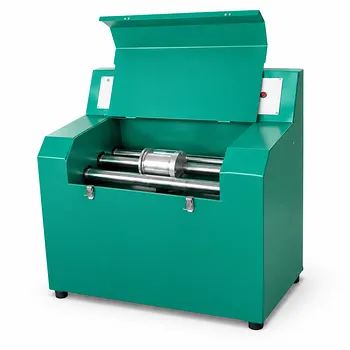
Vertical Wood Granular Activated Carbon Mechanical Strength Tester
Item Number: KT-JTQ
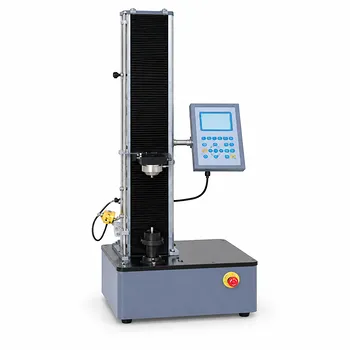


Dual Tube Sulfur Determinator High Temperature Combustion Sulfur Analyzer
Item Number: KT-TE11


Microcomputer Integrated Sulfur Analyzer for Coal Coke and Combustible Materials
Item Number: KT-TE14

Thermostatic Drying Oven 202 Series for Laboratory Baking and Moisture Determination
Item Number: KT-TE15
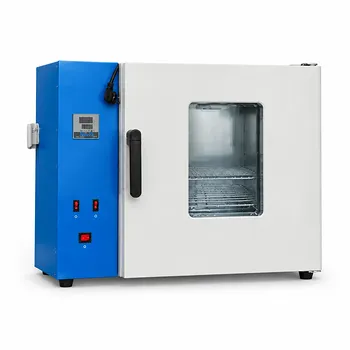
Forced Air Drying Oven 101 Series Electric Laboratory Heating Chamber
Item Number: KT-TE16
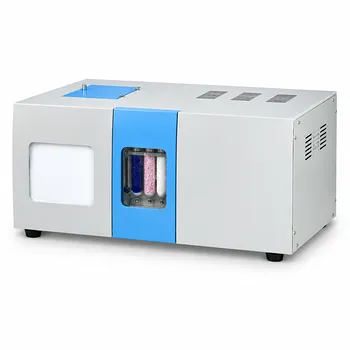
Integrated Rapid Automatic Hydrogen Analyzer for Coal and Solid Fuels
Item Number: KT-TE35
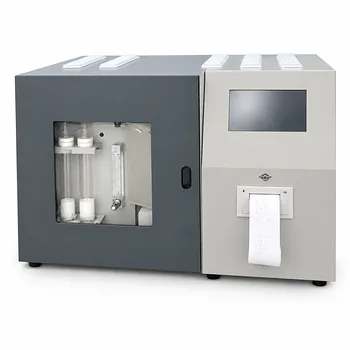
Rapid Intelligent Integrated Sulfur Analyzer
Item Number: KT-CD3
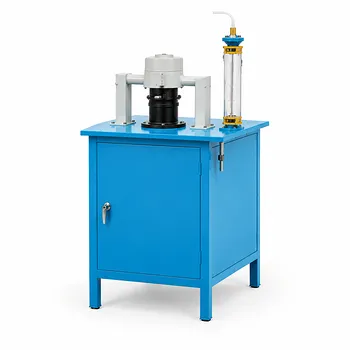
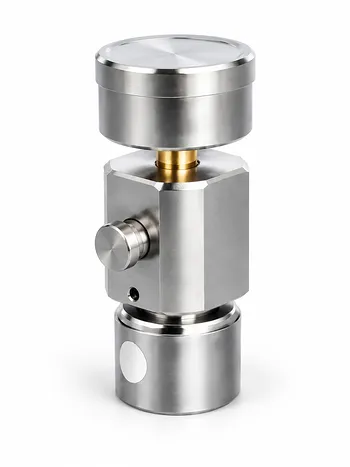

Sulfur Thermocouple High Temperature Sulfidation Resistant Sensor
Item Number: KT-LDO
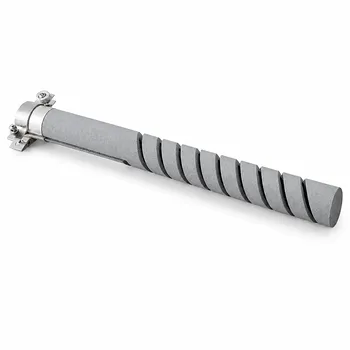
Silicon Carbide Sulfur and Carbon Analysis Combustion Tube
Item Number: KT-RG
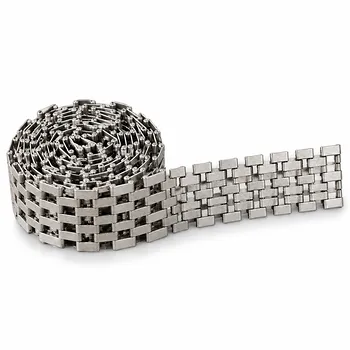
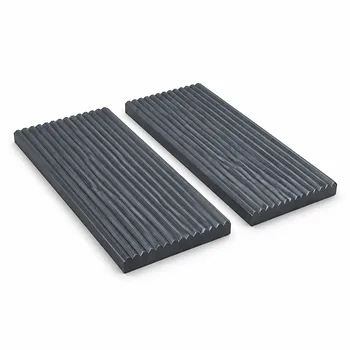
Jaw Crusher Jaw Plates High Manganese Steel and Alloy Tool Steel Jaw Dies
Item Number: KT-EB
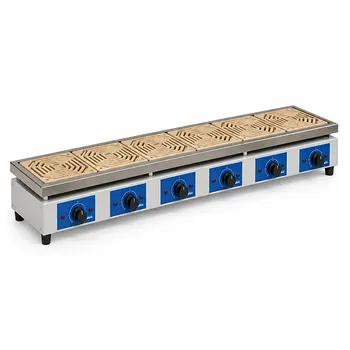
Six Unit Laboratory Electric Heating Furnace Multi Position Heating Stove
Item Number: KT-LLD
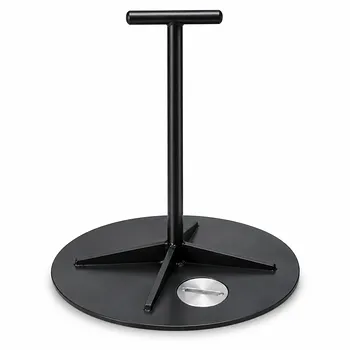
Precision Hydraulic Press Platens and Heavy Duty Compression Plates
Item Number: KT-YBA
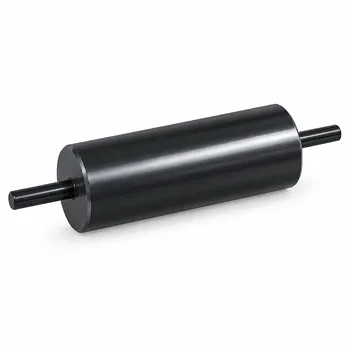
Laboratory Sample Pulverizer Machine for Precision Grinding and Material Testing
Item Number: KT-YYQ
REQUEST A QUOTE
Our professional team will reply to you within one business day. Please feel free to contact us!