Toggle Categories
Get Instant Support
Choose your preferred way to connect with our team
Response Time
Within 8 hours on working days, 24 hours on holidays
Sample Preparation
KinTek sample preparation equipment includes sample crushing,milling, as while as while sieving equipment, hydraulic press equipment includes manual press, electric press, isostatic press, hot press and press filtering machine.

Isostatic Press
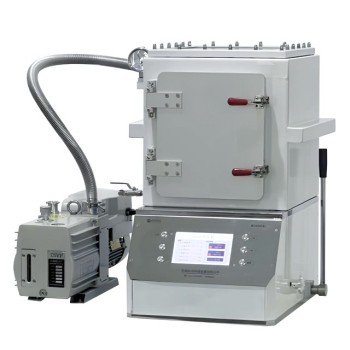
Vacuum Heated Lab Press

Automatic Heated Lab Press

Electric Lab Press

Customer-made Press

Manual Heated Lab Press

Manual Lab Press
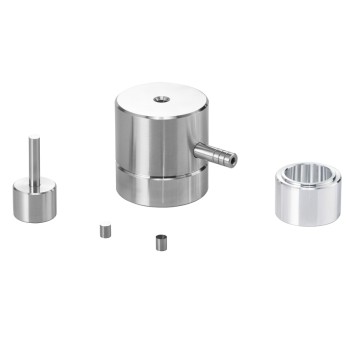
Molds & Accessories
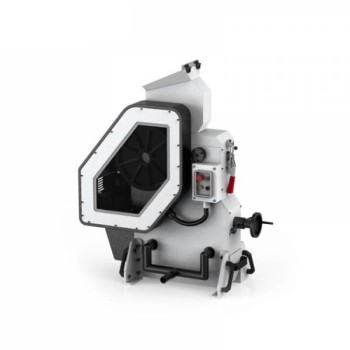
Crushing & Grinding Machine
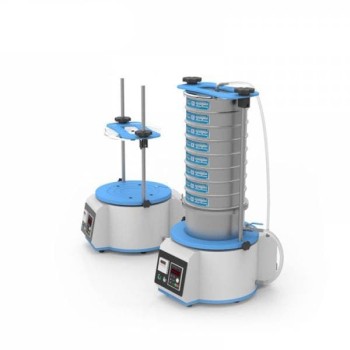
Sieving Machine
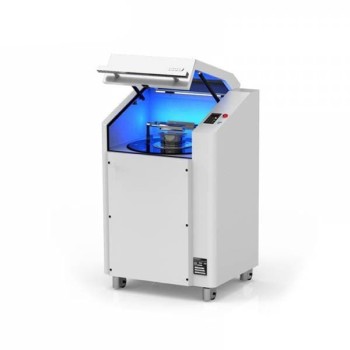
Milling Equipment
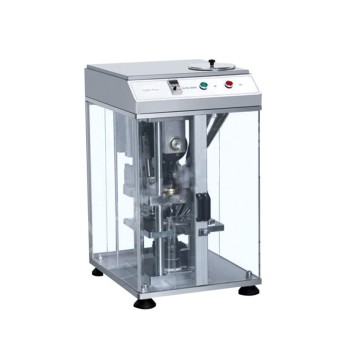
Tablet punching machine
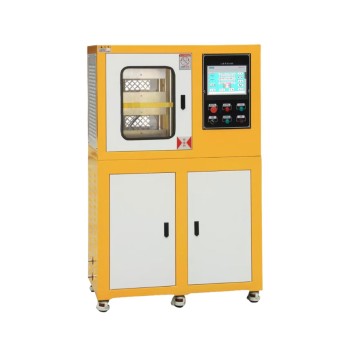
Rubber processing machine
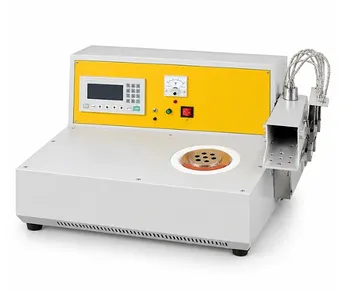
Coal Quality Analyzers
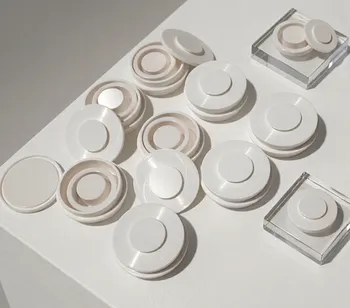
Assay Equipment Accessories & Consumables
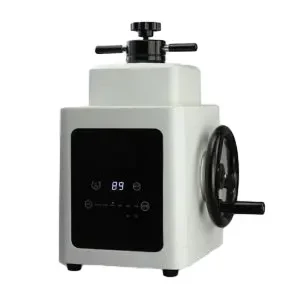
Mounting Machine
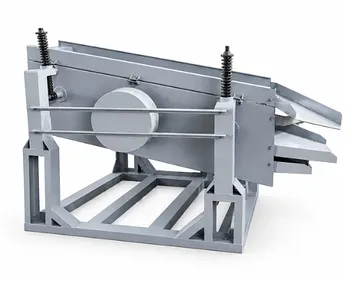
Coal, Coke & Ore Physical Testing
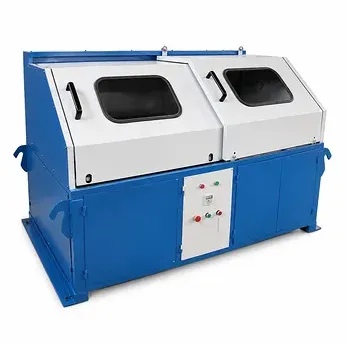
Rod Mill
Thermal Equipment
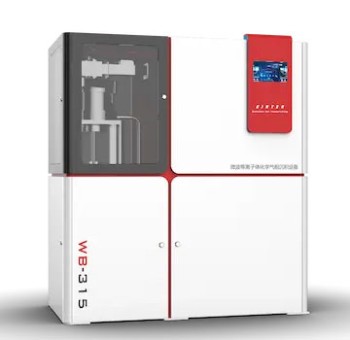
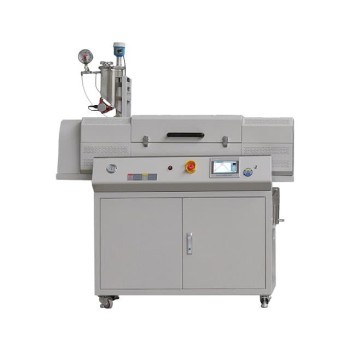
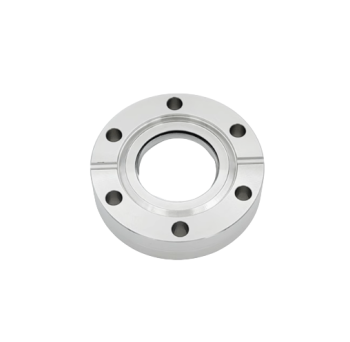
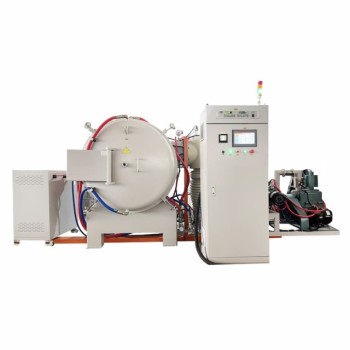
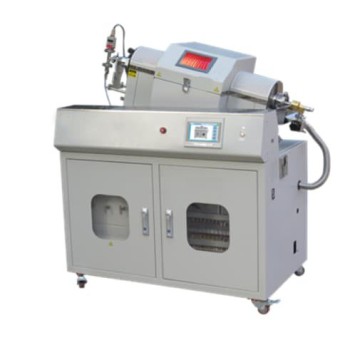
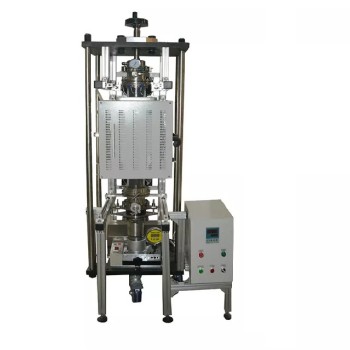
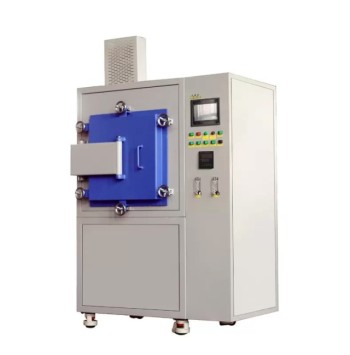
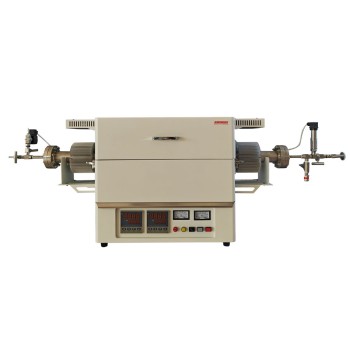
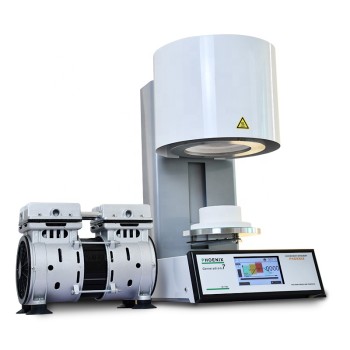
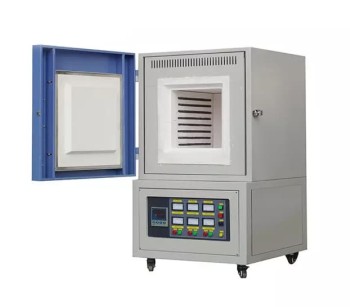
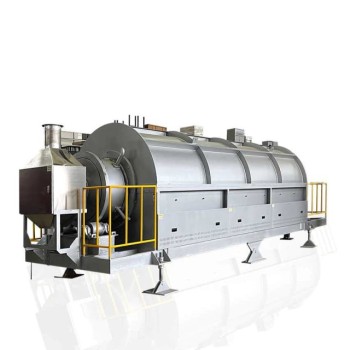
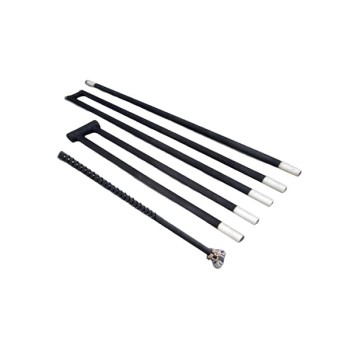
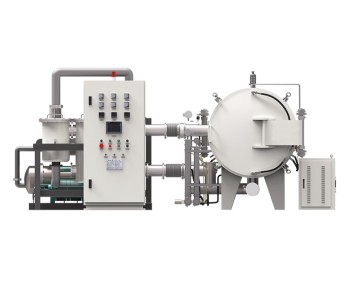
KinTek supplies a broad range of high-temperature furnaces, including lab, pilot production, and industrial production furnaces, with a temperature range of up to 3000 ℃. One of KinTek's advantages is the ability to create custom-made furnaces tailored to specific functions, such as different heating methods and speeds, extra high and dynamic vacuums, controlled atmospheres and gas circuits, automated mechanical structures, and software and hardware development.
Lab Consumables & Materials
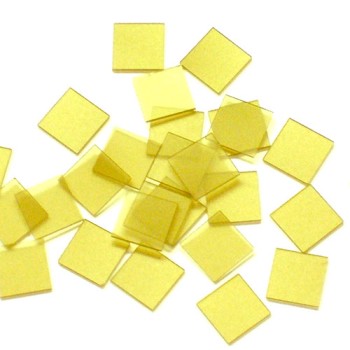
KinTek offers a range of lab consumables and materials, including evaporation materials, targets, metals, electrochemistry parts, as well as powders, pellets, wires, strips, foils, plates, and more.


Bio-Chem Equipment
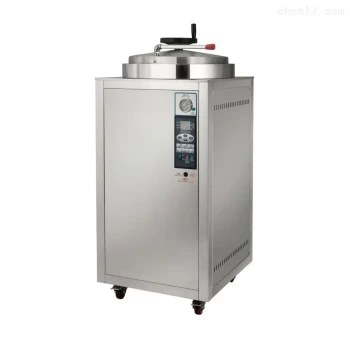
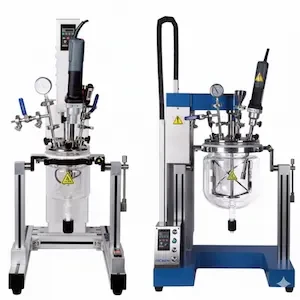
KinTek bio-chem equipment comprises rotary evaporators, glass and stainless steel reactors, distillation systems, circulating heaters and chillers, as well as vacuum equipment.



Products

Mini SS High Pressure Autoclave Reactor for Laboratory Use
Item Number: KV-3H


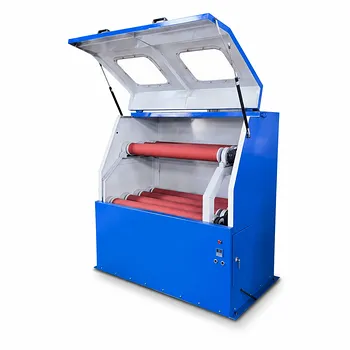
Eco Friendly Sealed Double Layer Small Rod Mill
Item Number: KT-BMB
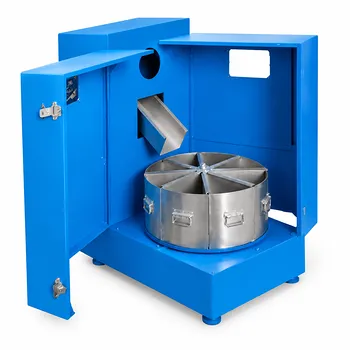
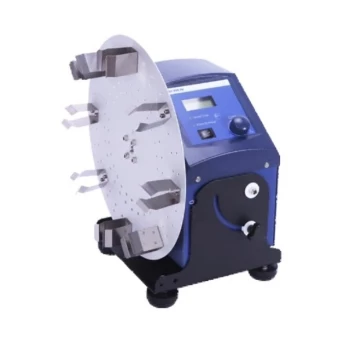
Sealed Variable Frequency Rotary Sample Divider with 6 and 8 Bucket Options
Item Number: KT-TX
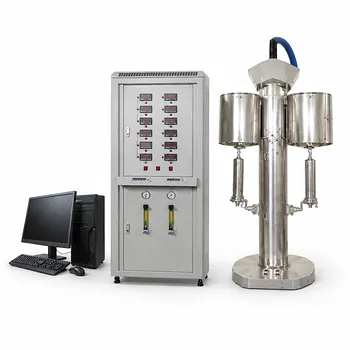
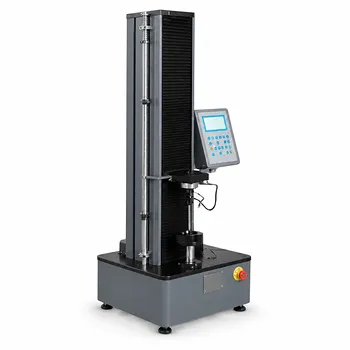
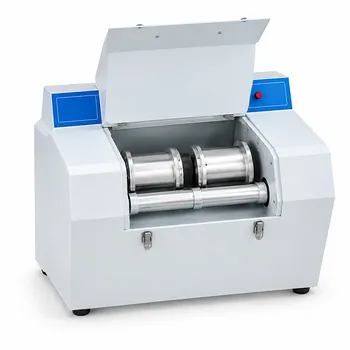
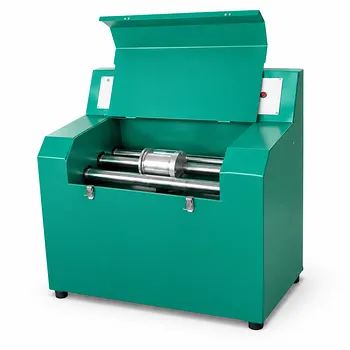
Vertical Wood Granular Activated Carbon Mechanical Strength Tester
Item Number: KT-JTQ
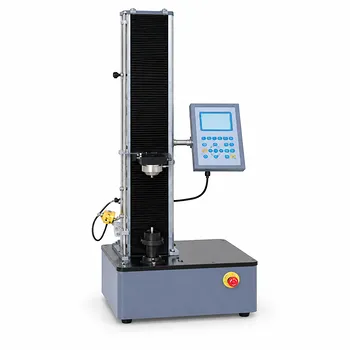

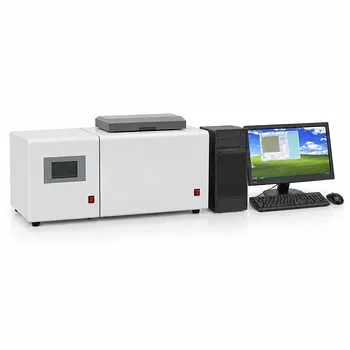

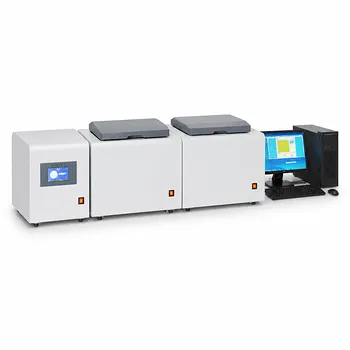
Microcomputer Dual Control Fully Automatic Refrigeration Oxygen Bomb Calorimeter
Item Number: KT-TE8

Industrial Coal Briquette Drop Shatter Strength Tester
Item Number: KT-TE19
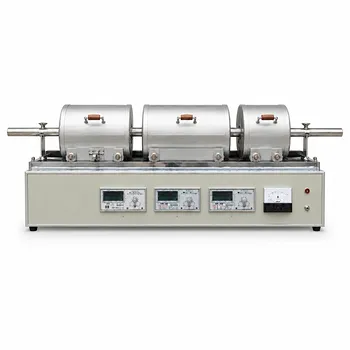
Carbon Hydrogen Elemental Analyzer for Coal and Organic Materials Determination
Item Number: KT-TE33
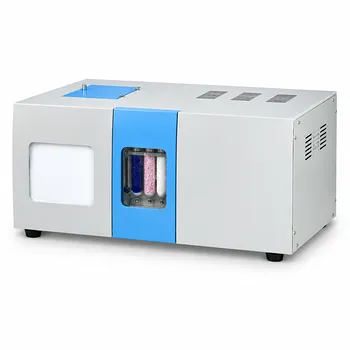
Integrated Rapid Automatic Hydrogen Analyzer for Coal and Solid Fuels
Item Number: KT-TE35
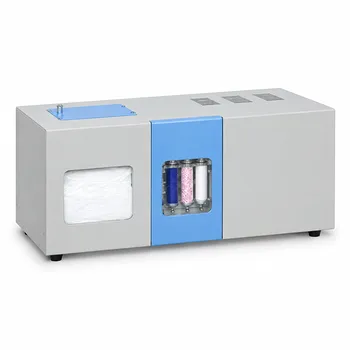
Microcomputer Hydrogen Analyzer Automated Coal Hydrogen and Carbon Analytical System
Item Number: KT-TE36
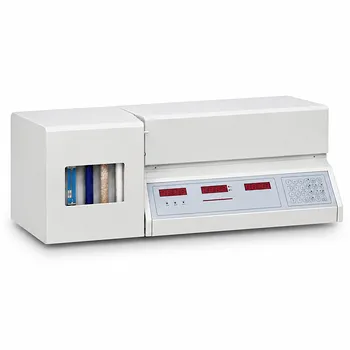
Rapid Automatic Hydrogen Analyzer and Carbon Elemental Determination System
Item Number: KT-TE46
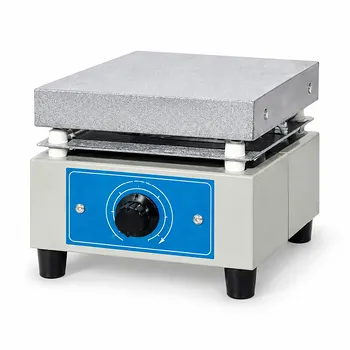
Enclosed Electric Furnace Laboratory Cast Iron Heating Plate
Item Number: KT-DLN
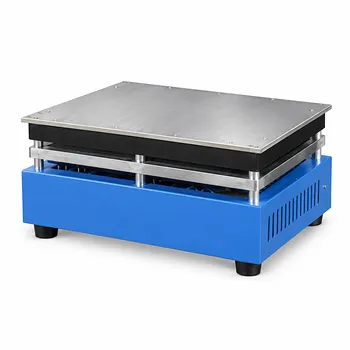
Digital Display Electric Hot Plate Laboratory Heating Plate
Item Number: KT-ML
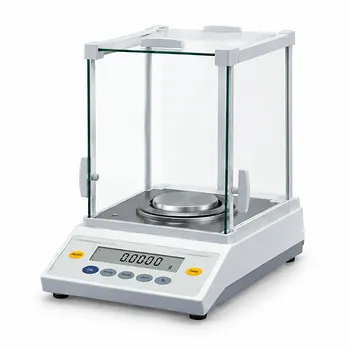
Precision Electronic Balance Laboratory Analytical Weighing Scale
Item Number: KT-TP
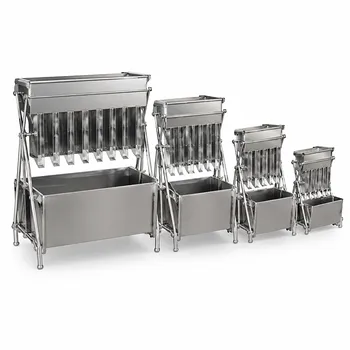
Coal Sample Divider Riffle Splitter for Laboratory Material Preparation
Item Number: KT-EF
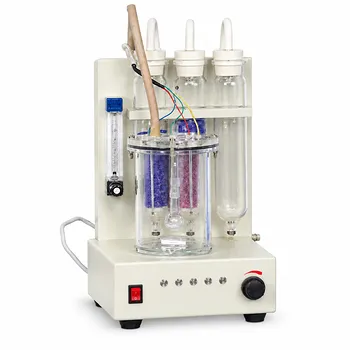
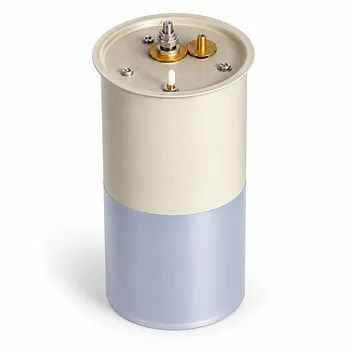
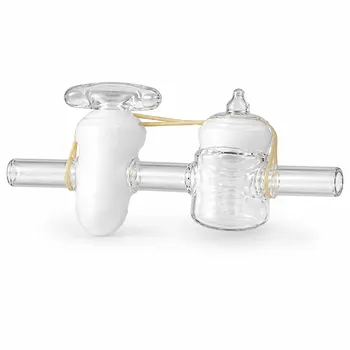
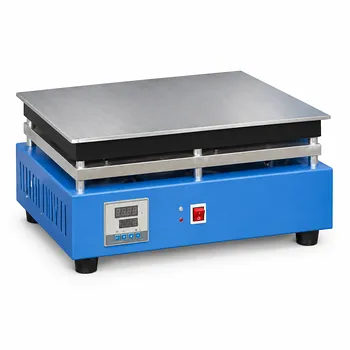
Digital Display Hot Plate Laboratory Electric Heating Plate
Item Number: KT-RBA
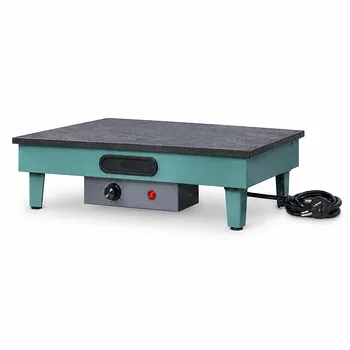
Heavy Duty Electric Hot Plate Laboratory Cast Iron Heating Plate
Item Number: KT-BA
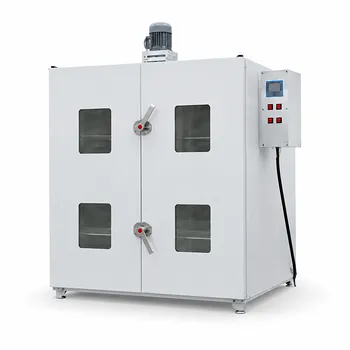
Industrial Hot Air Circulation Drying Oven Forced Air Thermal Processing Chamber
Item Number: KT-GZX
REQUEST A QUOTE
Our professional team will reply to you within one business day. Please feel free to contact us!
Related Articles
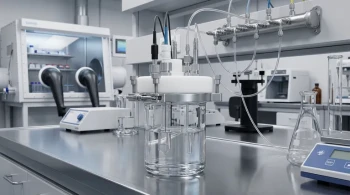
The Architecture of Isolation: Deconstructing the Super-Sealed Electrolytic Cell
Discover the engineering behind super-sealed electrolytic cells. We analyze the critical role of PTFE flanges and how total atmospheric isolation protects sensitive research.
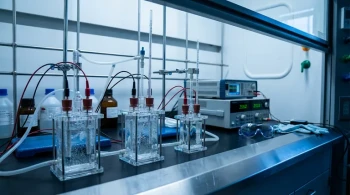
The Silent Volatility: Mastering the Art and Safety of Electrolytic Cells
Electrolytic cell safety requires more than just PPE. It demands a systemic approach to managing invisible chemical, electrical, and physical hazards.

The Silent Variable: Why Meticulous Cell Care Defines Electrochemical Truth
Discover why rigorous maintenance of super-sealed electrolytic cells is the secret to reproducible data. Expert tips on cleaning, storage, and electrode care.
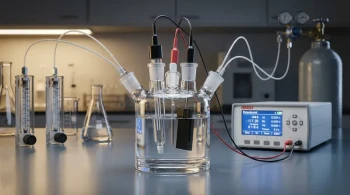
The Geometry of Control: Why Millimeters Dictate Experimental Destiny
In electrochemistry, the difference between success and failure often lies in aperture size. Explore the engineering logic behind Φ 6.2mm and Φ 3.2mm standards.
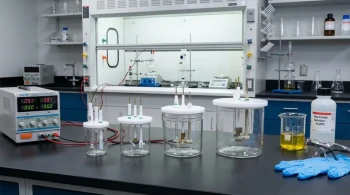
The Glass Heart of the Experiment: Mastering the Electrolytic Cell
Master the art of handling electrolytic cells. Learn the critical balance between physical fragility, chemical safety, and operational precision.
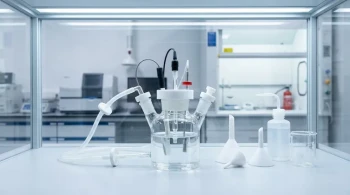
The Architecture of Silence: Purity in the Five-Port Cell
Preventing contamination is not just about cleaning; it is about system management. Master the protocols for glass and PTFE to ensure electrochemical precision.
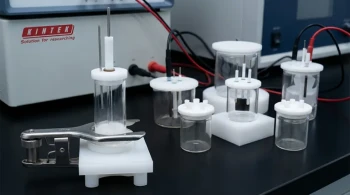
The Invisible Variable: Why Cell Geometry Defines Electrochemical Success
Discover how selecting the right quartz electrolytic cell volume and geometry impacts experimental accuracy. From standard 30ml units to custom designs.
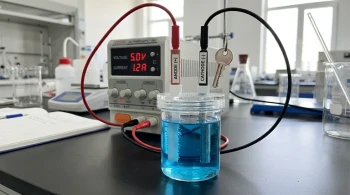
The Invisible Valve: Why Electrode Polarity Dictates Chemical Destiny
Electrode polarity isn't just a label; it determines where oxidation and reduction occur. Master the physics of the electrolytic cell to prevent failure.
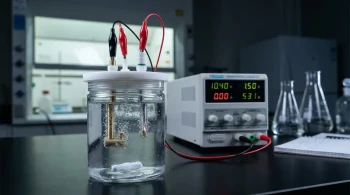
The Architecture of Electron Flow: Mastering Control in Electrolytic Cells
True control in electrolysis isn't just about power. Explore the interplay of voltage, current, and electrolyte composition for precise chemical synthesis.
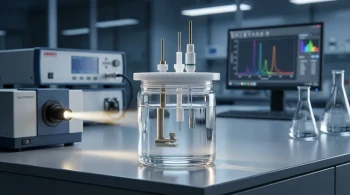
The Architecture of Precision: Why Your Electrolytic Cell Specs Matter More Than You Think
Discover the critical logic behind electrolytic cell specifications. From aperture geometry to volume trade-offs, learn how the right vessel defines experimental success.

The Art of Preservation: Protecting Your Electrolytic Cells and Your Data
Avoid the two cardinal sins of cell cleaning. Discover how gentle precision and correct chemistry protect your electrolytic cells and ensure data integrity.
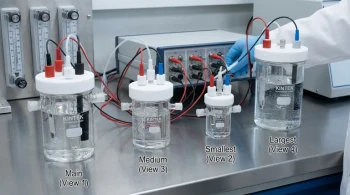
The Geometry of Control: Why Cell Volume is the Invisible Variable
Discover why electrolytic cell volume—from 10ml to 1000ml—is a critical active variable in electrochemical stability, thermal control, and data accuracy.
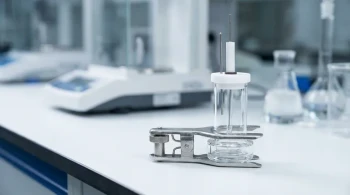
The Art of Isolation: Why Super-Sealed Cells Define Modern Electrochemistry
Discover how super-sealed electrolytic cells eliminate environmental variables, ensuring precision in battery testing, corrosion research, and chemical synthesis.
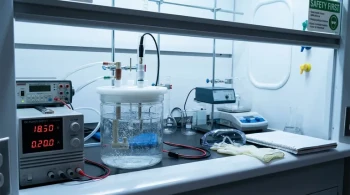
The Thin Glass Line: Engineering Safety in Sealed Electrolytic Systems
Master the art of operating super-sealed electrolytic cells. A deep dive into managing chemical, electrical, and physical risks with systemic precision.
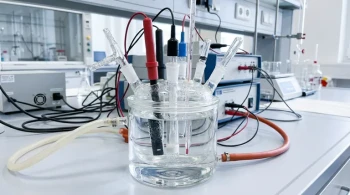
The Art of the Sealed System: Mastering the Five-Port Electrolytic Cell
Mastering the five-port electrolytic cell requires more than just chemistry; it demands a systematic approach to connections, temperature, and atmospheric control.
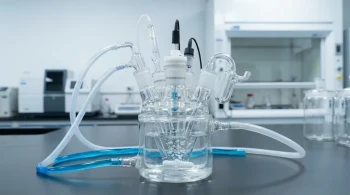
The Architecture of Control: Why the Five-Port Cell is More Than Glassware
Maximize experimental precision with the five-port water bath electrolytic cell. Master temperature, potential, and atmosphere for reproducible data.
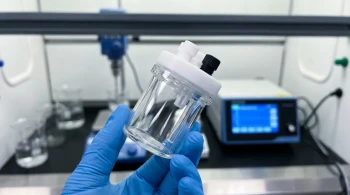
The Transparency Paradox: Mastering the Fragile Precision of All-Quartz Cells
Quartz cells offer unmatched optical purity but demand rigorous discipline. Learn the essential protocols for inspection, thermal management, and handling.
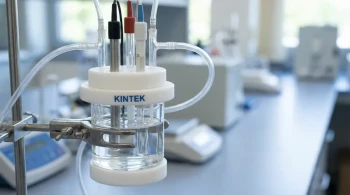
The Geometry of Control: Why Millimeters Matter in Electrochemistry
Understanding the standard specifications of quartz electrolytic cells—Φ6.2mm and Φ3.2mm openings—and how they define experimental boundaries.
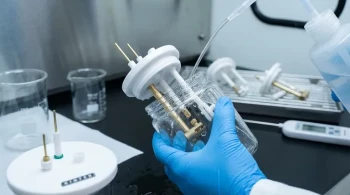
The Invisible Variable: Mastering the Art of Electrolytic Cell Integrity
Data reliability relies on more than just theory. Discover the systematic maintenance protocol—pre-check, monitoring, and cleaning—that guarantees precision.
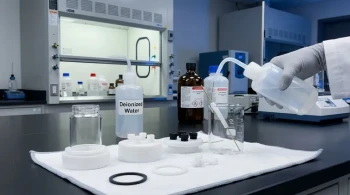
The Silent Decay: Why the Experiment Doesn't End When the Power Cuts
The success of your next experiment depends on how you end the current one. Discover the systemic approach to electrolytic cell maintenance and safety.