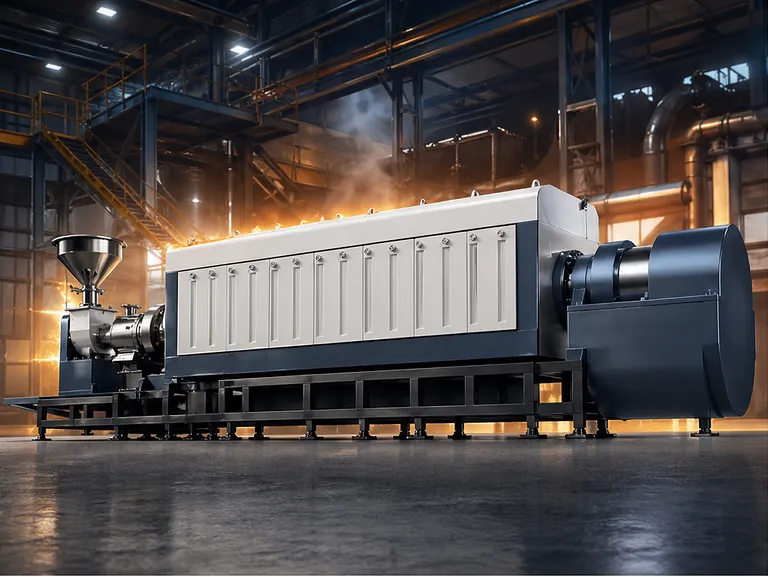
You check the monthly utility bill, and it’s higher than expected—again. Your lab's rotary kiln, a supposed workhorse, seems to be consuming energy at an alarming rate. Worse, the material you processed last week shows signs of inconsistent heating, forcing you to scrap the batch and start over. You've tweaked the rotation speed, adjusted the feed rate, and double-checked the seals, but the results are still a frustrating mix of high costs and unreliable outcomes. It feels like you're fighting a losing battle.
Chasing Ghosts: Why Tweaking Your Kiln Isn't Working
This cycle of 'tweak, test, and disappoint' is familiar in many research and production labs. When faced with poor thermal efficiency, the natural instinct is to adjust the operational parameters we can control: the material feed rate, the kiln's inclination angle, or its rotation speed. We might even schedule downtime to inspect the refractory insulation for wear and tear.
These are logical steps, but they often yield only marginal improvements. The problem persists, and the consequences start to add up:
- Ballooning Operational Costs: A kiln that wastes 30-50% of its energy is a constant drain on your budget, pulling funds that could be used for new research, equipment, or personnel.
- Project Delays: When a batch is ruined due to uneven heating, it doesn't just waste material; it pushes back timelines, affecting subsequent experiments and delaying project completion.
- Compromised Data: For R&D and quality control, inconsistent thermal processing makes data unreliable. You can't be certain if a failed outcome is due to the material's properties or the kiln's poor performance.
The reason these fixes fail is that they are attempts to treat the symptoms, not the underlying disease. You're fighting a battle that was lost before you even began, due to a fundamental design choice.
The Hidden Efficiency Cap: It's Not Your Settings, It's Your Heat Source
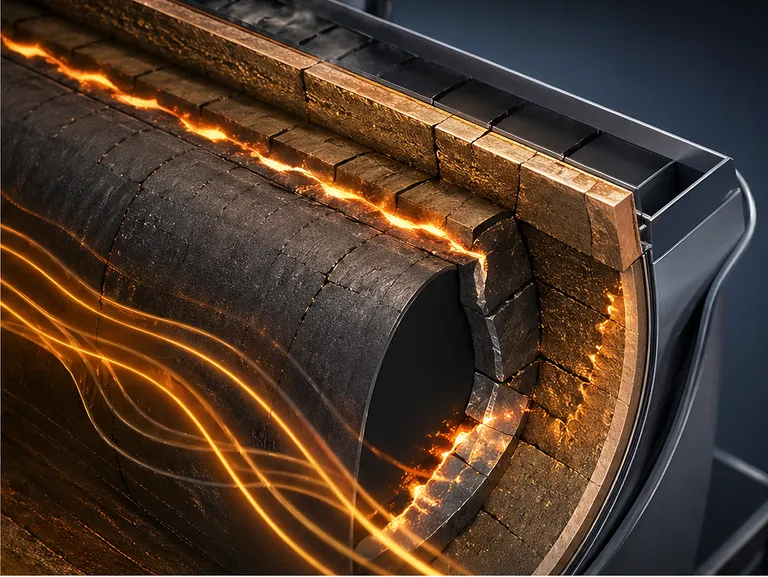
The single largest factor determining a rotary kiln's maximum possible efficiency is how it generates heat. This creates two fundamentally different classes of equipment with vastly different performance ceilings.
The Fuel-Fired Dilemma: An Open Window in Winter
Most conventional rotary kilns burn fuel (like natural gas) to generate heat. The physics of this process imposes a hard limit on efficiency. To sustain combustion, a massive volume of hot exhaust gas must constantly flow out of the kiln. This exhaust carries a huge portion of the heat energy—often 30% to 50%—directly out of the system before it ever has a chance to heat your material.
Trying to optimize a fuel-fired kiln is like trying to heat your house in the middle of winter with the front door wide open. You can add more blankets (insulation) or move the furniture around (adjust rotation speed), but you'll never overcome the fundamental problem of massive, continuous heat loss. You're paying to heat the great outdoors.
The Electric Advantage: A Sealed System
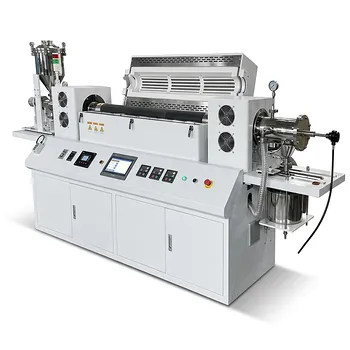
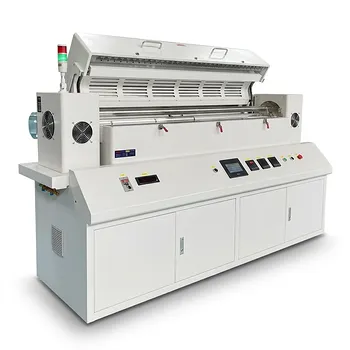
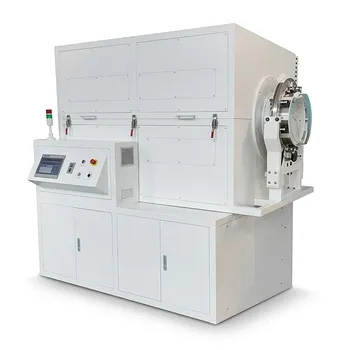
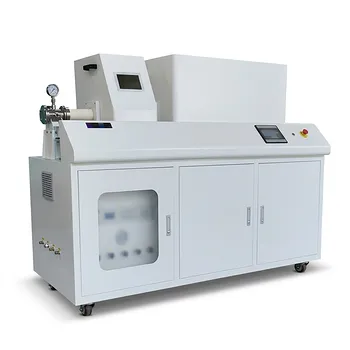
An electrically heated rotary kiln operates on a completely different principle. Heat is generated by resistive elements located directly inside the kiln, close to the material. There is no combustion, and therefore, no need for a massive exhaust vent to carry heat away.
This transforms the kiln from an "open door" system into a highly efficient, sealed thermal chamber. The energy you put in stays in, resulting in thermal efficiencies often exceeding 95%. The heat is transferred directly and precisely to your material, not lost to the atmosphere.
Designed for Efficiency: The Physics of a Better Kiln
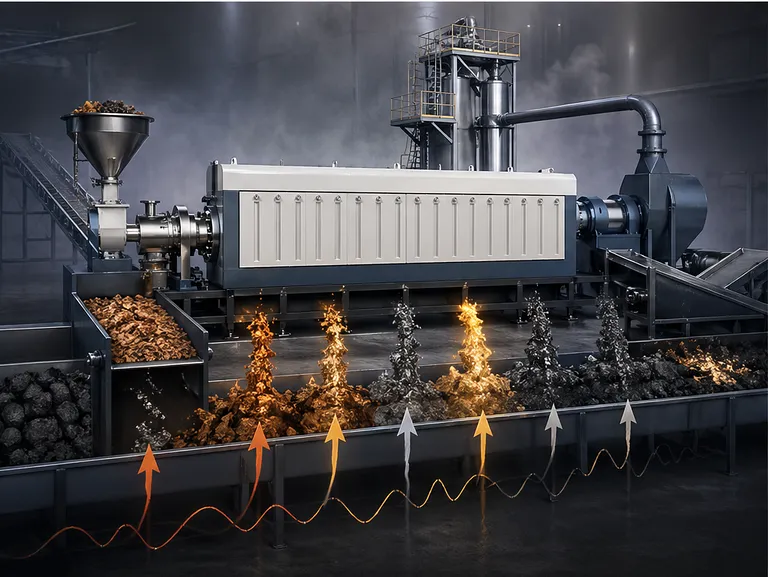
To truly solve the efficiency problem, you don't need to tweak endlessly; you need a tool that is engineered from the ground up to eliminate the core source of waste. This is where the design philosophy behind a modern electric kiln becomes the solution.
A well-designed electric rotary kiln, like those engineered by KINTEK, isn't just a kiln with a different plug. It is a purpose-built system designed to master heat transfer:
- Direct & Efficient Heating: By leveraging electric elements, our kilns achieve over 95% thermal efficiency. This dramatically cuts energy consumption and operational costs, paying for itself over time.
- Unmatched Temperature Precision: Without the chaotic environment of a combustion flame, electric elements offer precise digital control. You can execute complex temperature profiles with ramps and holds that are uniform and, most importantly, repeatable, ensuring consistent material quality batch after batch.
- Superior Sealing and Insulation: Understanding that all heat loss is a liability, our kilns are built with high-quality seals to prevent cold "tramp air" from entering and top-grade insulation to minimize radiative heat loss through the shell. This ensures the controlled environment remains stable.
Instead of fighting against the physics of an inefficient system, you are working with a tool designed to align with your goals of precision, consistency, and cost-effectiveness.
Beyond Efficiency: What Precision Unlocks for Your Lab
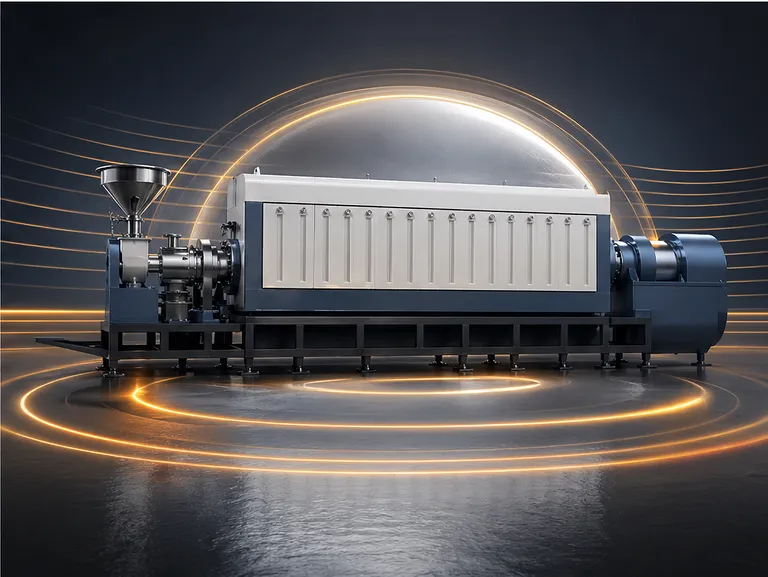
Once you're no longer battling your equipment's inherent limitations, your focus can shift from troubleshooting to innovation. A highly efficient and precise electric kiln doesn't just save you money on energy; it opens up new possibilities for your work.
You can now confidently:
- Explore Sensitive Materials that require extremely tight temperature windows.
- Run Multi-Day Thermal Cycles for complex processes without worrying about runaway energy costs.
- Accelerate R&D by producing reliable, repeatable results that eliminate the need to re-run failed experiments.
- Guarantee Quality with the assurance that your thermal process is consistent from the first gram to the last kilogram.
Solving your kiln's efficiency problem is more than a technical fix; it's a strategic move to reduce operational costs, accelerate your research, and deliver more reliable results. If you are ready to stop wasting energy and start achieving breakthrough results, it’s time to look at the core of the problem. Our team is ready to go beyond datasheets and discuss how the right thermal processing technology can address your specific project challenges. Contact Our Experts.
Related Products
- Electric Rotary Kiln Small Rotary Furnace Biomass Pyrolysis Plant
- Electric Rotary Kiln Continuous Working Small Rotary Furnace Heating Pyrolysis Plant
- Electric Rotary Kiln Small Rotary Furnace for Activated Carbon Regeneration
- Electric Rotary Kiln Pyrolysis Furnace Plant Machine Calciner Small Rotary Kiln Rotating Furnace
- Vacuum Sealed Continuous Working Rotary Tube Furnace Rotating Tube Furnace
Related Articles
- More Than a Number: Why Your Rotary Kiln's "Max Temp" Is Misleading You
- Your Rotary Kiln Works Perfectly—So Why Are Your Results Contaminated?
- Why Your Rotary Kiln Fuel Choice Is Sabotaging Your Results—And How to Fix It
- Your Rotary Kiln Isn't an Oven: The Secret to Consistent Thermal Processing
- Your Lab Process Fails to Scale? The Rotary Kiln Sizing Mistake You're Probably Making