You’ve been here before. After weeks of careful preparation, you run a new material through your lab-scale rotary kiln. The first batch comes out perfect—exactly the composition and particle characteristics you were aiming for. But the next ten attempts are a disaster. One batch is under-processed, another is a burnt, useless mess. Your data is all over the place, your project is stalled, and you’re left wondering: what went wrong?
You start to question everything. Was it a bad batch of raw material? Is the thermocouple faulty? You spend another week tweaking the temperature dial up and down by a few degrees, hoping to find that elusive "sweet spot" again.
If this scenario sounds painfully familiar, you're not alone.
The Frustrating Cycle of Guesswork
This trial-and-error approach is common in labs and R&D facilities everywhere. Teams wrestle with their rotary kilns, treating the main temperature setting as the only variable that matters. They invest countless hours and burn through expensive materials, all in pursuit of a stable, repeatable process.
The business consequences are significant:
- Project Delays: Promising new materials are stuck in the R&D phase because the process can't be stabilized.
- Wasted Resources: Every failed run costs money in materials, energy, and man-hours.
- Unreliable Scale-Up: Data based on inconsistent lab results is a poor foundation for designing a pilot or production-scale facility, leading to costly failures down the line.
The core of the frustration is that these efforts feel like shots in the dark. And that's because, in a way, they are. The problem isn't your diligence; it's that you've been led to ask the wrong question.
The Breakthrough: It's Not a Temperature, It's a Journey
The question everyone asks is, "What is the right temperature for my kiln?" This simple question hides a fundamental misunderstanding that is the root cause of all the inconsistency.
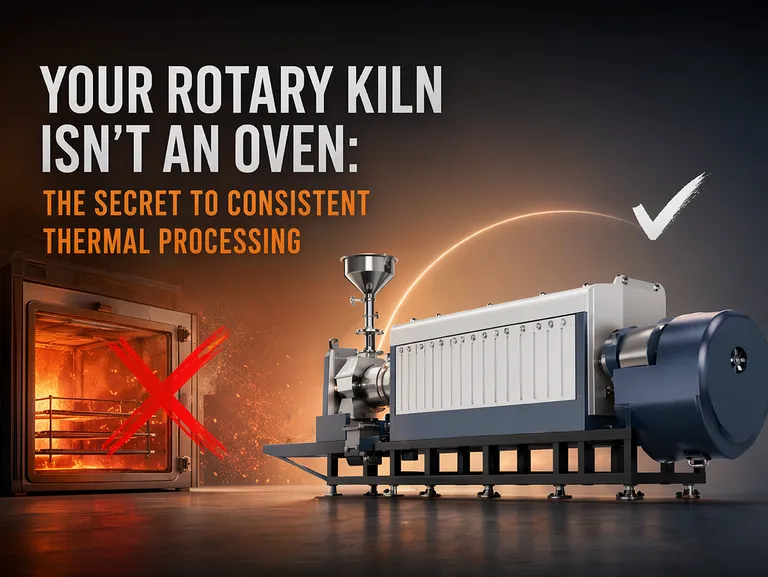
A rotary kiln is not a kitchen oven.
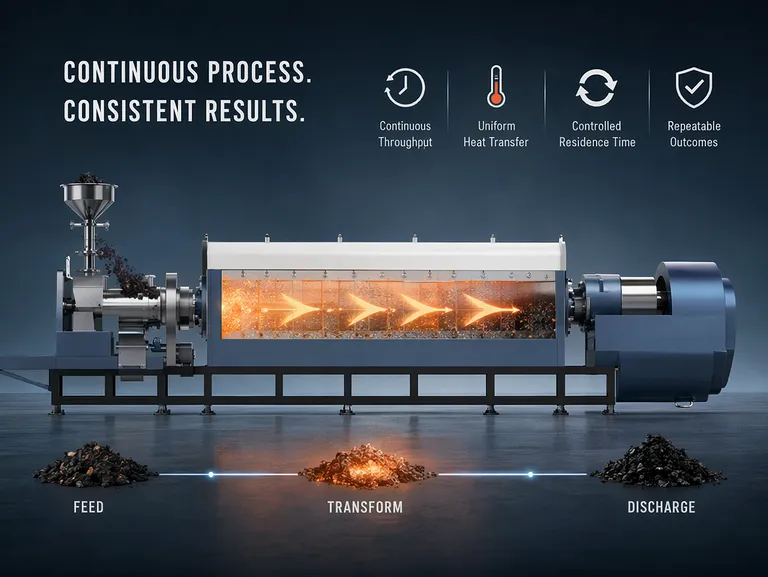
You don't just put something in an oven, set it to 400°F, and wait. A rotary kiln is designed to facilitate a dynamic process, a carefully choreographed thermal journey with a beginning, a middle, and an end. The material needs to be heated, treated, and cooled in a highly controlled sequence.
From "Hot Box" to "Thermal Pathway"
Think of your material's path through the kiln as a three-act play:
- Act I: The Pre-Heating Zone. As material enters the kiln, it needs to be brought up to temperature gradually. This removes moisture and volatile compounds without thermally shocking the material, which could ruin its structure.
- Act II: The Reaction Zone. This is the high-heat section where the critical chemical or physical transformation happens—be it calcination, sintering, or reduction. This zone must be held at a precise, stable temperature for a specific duration (residence time).
- Act III: The Cooling Zone. The transformation isn't complete until the material is cooled in a controlled manner. Rapid, uncontrolled cooling can cause cracking or undesirable phase changes, undoing all the good work from the reaction zone.
When you only focus on a single temperature reading, you are essentially ignoring two-thirds of the process.
Why Your Old Fixes Were Doomed to Fail
Now it's clear why simply tweaking one temperature dial doesn't work. You were trying to direct a complex play by shouting a single command at all the actors at once. Increasing the "temperature" might fix an under-processing issue in the reaction zone but simultaneously ruin the material in the pre-heating phase. Your previous "solutions" were addressing a symptom (bad output) without understanding the disease (a poorly controlled thermal profile).
Engineering the Journey: The Right Tool for a Precise Process
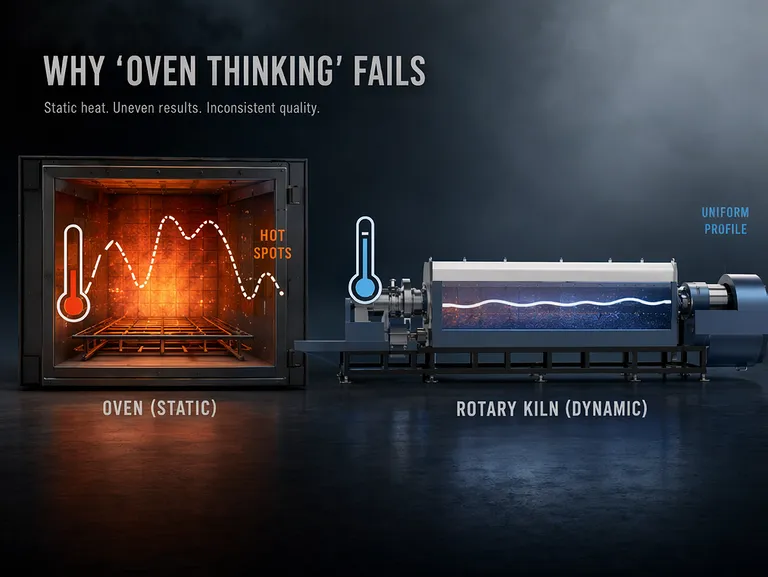
To escape the cycle of guesswork, you need to stop thinking about setting a temperature and start thinking about engineering a thermal profile. And to do that, you need more than just a heating tube. You need an instrument that gives you granular control over the entire journey.
This is precisely why KINTEK's laboratory rotary kilns are designed as sophisticated process control systems. They are built on the fundamental understanding that repeatability comes from control, not from brute force heat.
Our kilns empower you to master your process by directly addressing the root cause of inconsistency:
- Independent Zone Control: Define and maintain separate, stable temperatures for the pre-heating, reaction, and cooling zones. You can build the exact thermal pathway your material needs, every single time.
- Precise Atmosphere Management: The journey isn't just about heat. Our systems allow you to control the gas atmosphere (e.g., inert, oxidizing) within each zone, ensuring the correct chemical environment for your reaction.
- Unmatched Repeatability: Once you've engineered the perfect profile, our systems allow you to save it and execute it flawlessly again and again. You get the same result on the hundredth run as you did on the first successful one.
KINTEK kilns aren't just a piece of hardware; they are the embodiment of the solution to a problem that has plagued researchers for decades. They give you the power to move from being a victim of your process to being its architect.
Beyond Troubleshooting: Accelerating Innovation with Process Control
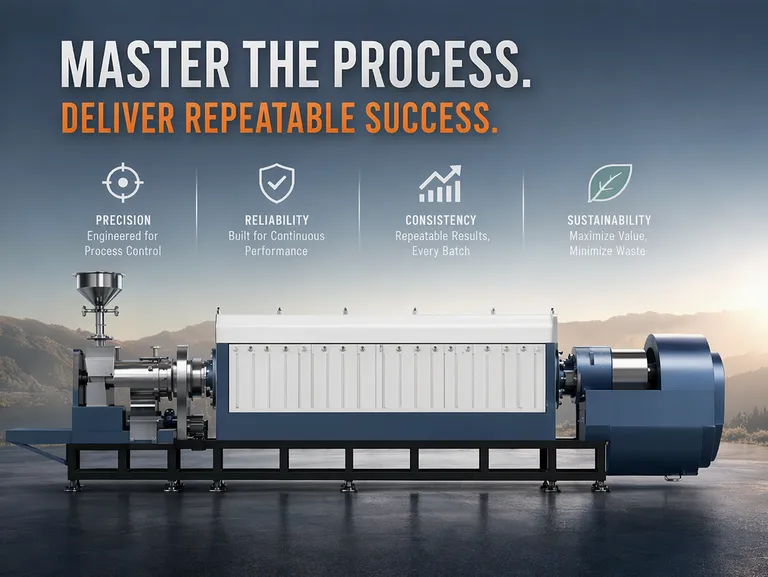
When you finally solve the problem of inconsistency, something remarkable happens. The time and energy you once spent troubleshooting are now freed up for genuine innovation.
Imagine what becomes possible when your thermal process is completely predictable:
- Accelerate R&D: Move from concept to validated data in a fraction of the time.
- Tackle Complex Materials: Confidently develop processes for sensitive, high-value materials that were previously too difficult to work with.
- Scale with Confidence: Generate the reliable, high-quality data needed to design, fund, and build successful pilot and production plants.
Ultimately, mastering your thermal process isn't just about getting better data—it's about getting your innovations to the world faster and more reliably.
Your work is too important to be derailed by a solvable problem. If you're ready to stop guessing and start engineering your process for success, our team of experts is here to help you configure the precise tools you need for your unique material and goals. Contact Our Experts
Related Products
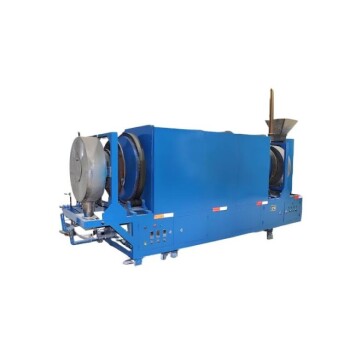
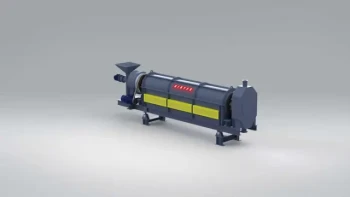
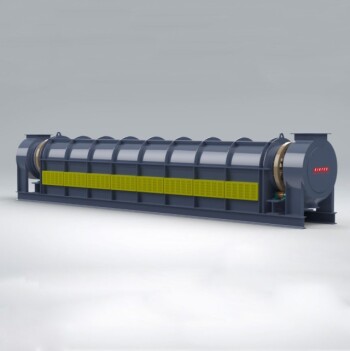
- Electric Rotary Kiln Small Rotary Furnace Biomass Pyrolysis Plant
- Electric Rotary Kiln Continuous Working Small Rotary Furnace Heating Pyrolysis Plant
- Electric Rotary Kiln Small Rotary Furnace for Activated Carbon Regeneration
- Electric Rotary Kiln Pyrolysis Furnace Plant Machine Calciner Small Rotary Kiln Rotating Furnace
- Vacuum Sealed Continuous Working Rotary Tube Furnace Rotating Tube Furnace
Related Articles
- Why Your Rotary Kiln Keeps Failing (And It’s Not the Parts You're Replacing)
- Mastering Rotary Kilns: A Comprehensive Guide to Operation, Applications, and Maintenance
- Your Rotary Kiln Process is Failing. The Problem Isn't Temperature—It's Purity.
- Your Rotary Kiln is Wasting Energy and Money. The Reason is Hiding in Plain Sight.
- Why Your Lab's Rotary Kiln Fails: It’s Not Your Process, It’s the Parts