You've run the experiment three times. The chemistry is solid, the precursors are pure, and the temperature profile is set exactly to spec. Yet, the results are a mess: one batch shows unexpected impurities, another has poor yield, and the third fails to achieve the target material properties. You're stuck in a frustrating loop, burning through valuable time and expensive materials, with no clear explanation for the inconsistency.
This scenario is all too common in labs and R&D facilities. When a thermal process goes wrong, the first instinct is to blame the most obvious variable: temperature.
The Common Struggle: Chasing the Wrong Variable
When faced with failed batches, the typical response is a frantic troubleshooting exercise focused on heat. Teams often find themselves:
- Endlessly tweaking temperature setpoints, hoping a few degrees up or down will magically solve the problem.
- Recalibrating temperature sensors, convinced the equipment must be giving false readings.
- Adjusting residence time and rotation speed, trying to compensate for a problem they can't identify.
Each attempt feels like a shot in the dark, because it is. These efforts fail because they are based on a fundamental misunderstanding of how a rotary kiln works. While you're busy chasing temperature fluctuations, the real culprit is silently sabotaging your work.
The business consequences are severe. Project timelines are derailed, R&D costs balloon from wasted materials and man-hours, and confidence in scaling up a new process is completely eroded. You can't build a reliable production line on a foundation of unpredictable lab results.
The Hidden Culprit: Direct Heat vs. Indirect Purity
The critical factor you may be overlooking isn't how hot your kiln gets, but how it generates that heat. The design of the heating system is the single most important variable determining the success of any high-purity thermal process.
Rotary kilns fall into two fundamentally different categories.
The Brute Force Method: Direct-Fired Kilns
In a direct-fired kiln, a powerful flame and hot combustion gases are blasted directly onto the material being processed. This is an effective method for achieving extremely high temperatures (often over 1500°C), which is necessary for heavy industrial processes like cement production.
However, for sensitive materials, this is like using a blowtorch to toast a marshmallow. Your material is directly exposed to all the byproducts of combustion—CO, NOx, and other chemical contaminants. If your process requires a clean environment, a direct-fired kiln guarantees failure from the start.
The Precision Method: Indirectly Heated Kilns
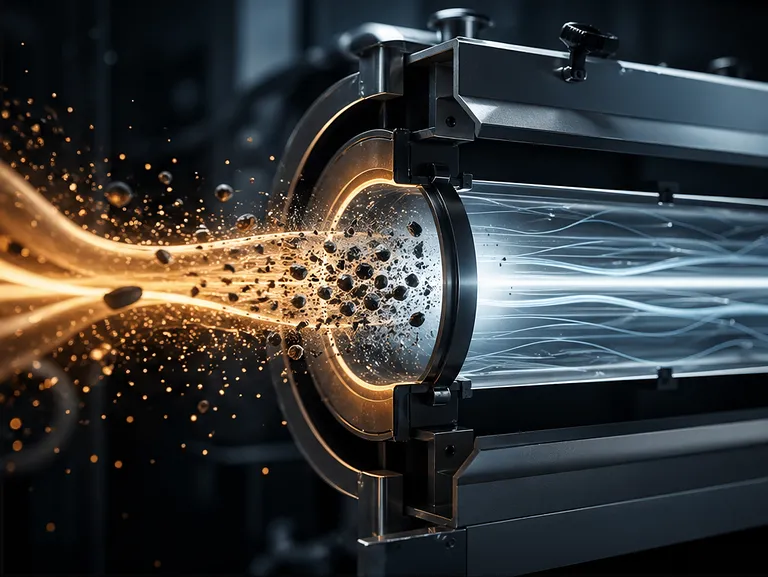
In an indirectly heated system, the heat source is completely isolated from the material. The rotating tube is heated from the outside, typically by electric resistance elements housed in a surrounding furnace. The material inside only ever touches the inner wall of the process tube and the controlled atmosphere you've introduced.
This design offers two game-changing advantages:
- Absolute Purity: With no contact with combustion gases, the risk of contamination is eliminated.
- Unmatched Control: Electric heating allows for incredibly precise and stable temperature management, ensuring your material experiences the exact thermal profile it needs.
This is why the "common fixes" fail. No amount of temperature tweaking on a direct-fired kiln will stop it from contaminating your sample. You are treating a symptom while ignoring the disease.
The Right Tool for a Pure Process: The KINTEK Electric Rotary Kiln
To achieve consistent, high-purity results, you need more than just heat; you need a clean, controlled thermal environment. This requires a tool that is purpose-built not just for high temperatures, but for process integrity.
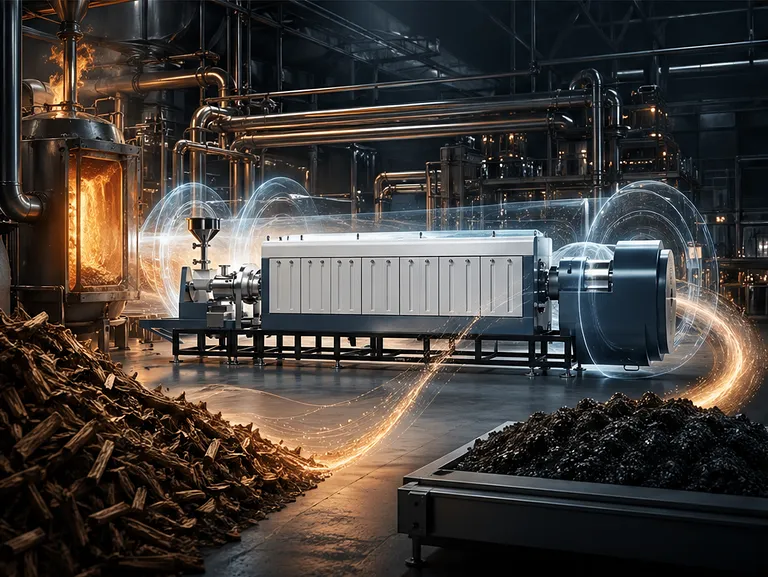
This is precisely why KINTEK's electric rotary kilns are designed around the principle of indirect heating. They are not merely "heaters"; they are precision instruments engineered to solve the exact problem of contamination and inconsistency.
Our kilns directly address the root cause of failure:
- Contamination-Free Processing: By using external electric heating elements, our kilns create a completely isolated environment. The purity of your material is preserved, ensuring the chemistry you designed is the chemistry you get.
- Pinpoint Temperature Stability: Advanced PID controllers maintain exceptionally stable temperatures, eliminating the thermal variations that ruin sensitive processes. This delivers the repeatable results necessary for serious research and process development.
Choosing a KINTEK electric rotary kiln isn't just about buying a piece of equipment. It's about adopting a methodology that is fundamentally aligned with the requirements of high-purity material synthesis.
From Troubleshooting to True Innovation: What's Possible Now?

Once you eliminate process contamination and temperature instability, everything changes. The weeks once spent troubleshooting failed batches can now be dedicated to actual progress.
With a reliable and pure thermal process, you can finally:
- Accelerate R&D Cycles: Move confidently from one experiment to the next, knowing your results are dependable.
- Explore Sensitive Materials: Synthesize advanced catalysts, high-purity ceramics, and complex nanomaterials that were previously impossible to produce cleanly.
- Develop Scalable Processes: Build a repeatable thermal baseline in the lab that can be confidently scaled to pilot and production phases.
You can stop fighting your equipment and start focusing on innovation. Instead of asking "What went wrong?", your team can begin asking "What's next?".
Your project's success shouldn't be a matter of guesswork. If you're tired of battling inconsistent results and want to ensure your thermal process is built on a foundation of purity and precision, our team is here to help. Let's discuss the specific requirements of your application and design a solution that delivers the reliable outcomes you need. Contact Our Experts.
Related Products
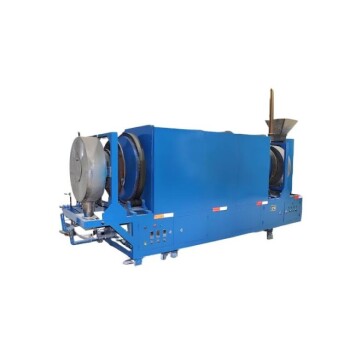
- Electric Rotary Kiln Small Rotary Furnace Biomass Pyrolysis Plant
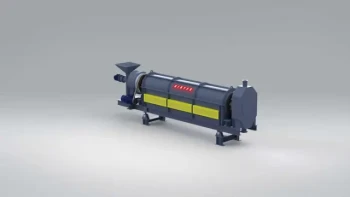
- Electric Rotary Kiln Continuous Working Small Rotary Furnace Heating Pyrolysis Plant
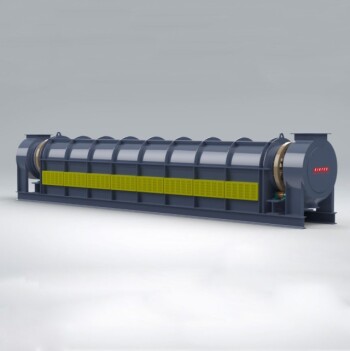
- Electric Rotary Kiln Small Rotary Furnace for Activated Carbon Regeneration
- Electric Rotary Kiln Pyrolysis Furnace Plant Machine Calciner Small Rotary Kiln Rotating Furnace
- Vacuum Sealed Continuous Working Rotary Tube Furnace Rotating Tube Furnace
Related Articles
- Your Rotary Kiln Is Leaking Money. The Culprit Is Hiding in Plain Sight.
- Your Rotary Kiln is Wasting Energy and Money. The Reason is Hiding in Plain Sight.
- Why Your Rotary Kiln Keeps Failing (And It’s Not the Parts You're Replacing)
- Why Your Lab's Rotary Kiln Fails: It’s Not Your Process, It’s the Parts
- Why More Fuel Isn't Fixing Your Rotary Kiln—And What Will