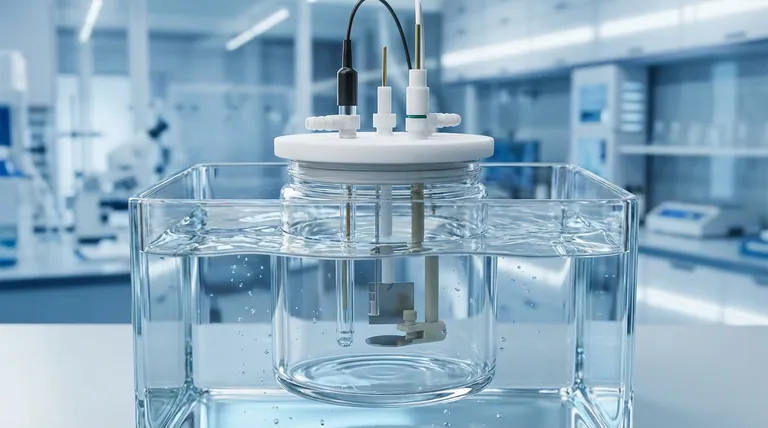
The Illusion of Unity
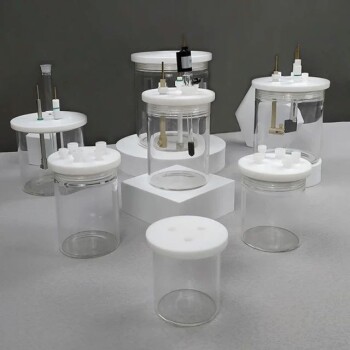
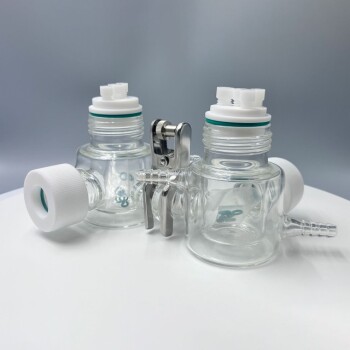
There is a psychological trap in laboratory engineering. When we hold a device—like a five-port water bath electrolytic cell—we see it as a single object. It has one name. It performs one function. Therefore, we assume it behaves as one entity.
This assumption is dangerous.
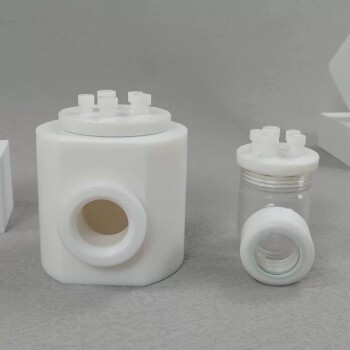
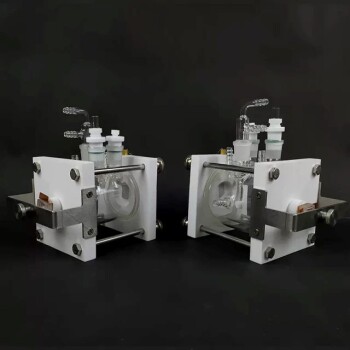
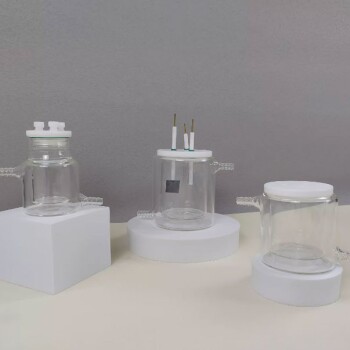
In reality, an electrolytic cell is not a monolith. It is a negotiated peace treaty between two vastly different materials: Glass and Polytetrafluoroethylene (PTFE).
Each material has its own personality, its own threshold for pain, and crucially, its own reaction to heat. Understanding this distinction is not just about maintenance; it is about respecting the physics of expansion.
The Tale of Two Materials
To understand why these cells fail, you have to look at what they are made of. The design is intentional, but it introduces a "systemic vulnerability" that often catches researchers off guard.
The Glass: The Stoic
The body of the cell is borosilicate glass. It is chosen for its stubbornness.
- Chemical Inertness: It ignores almost everything you put inside it.
- Thermal Resilience: It handles heat with grace.
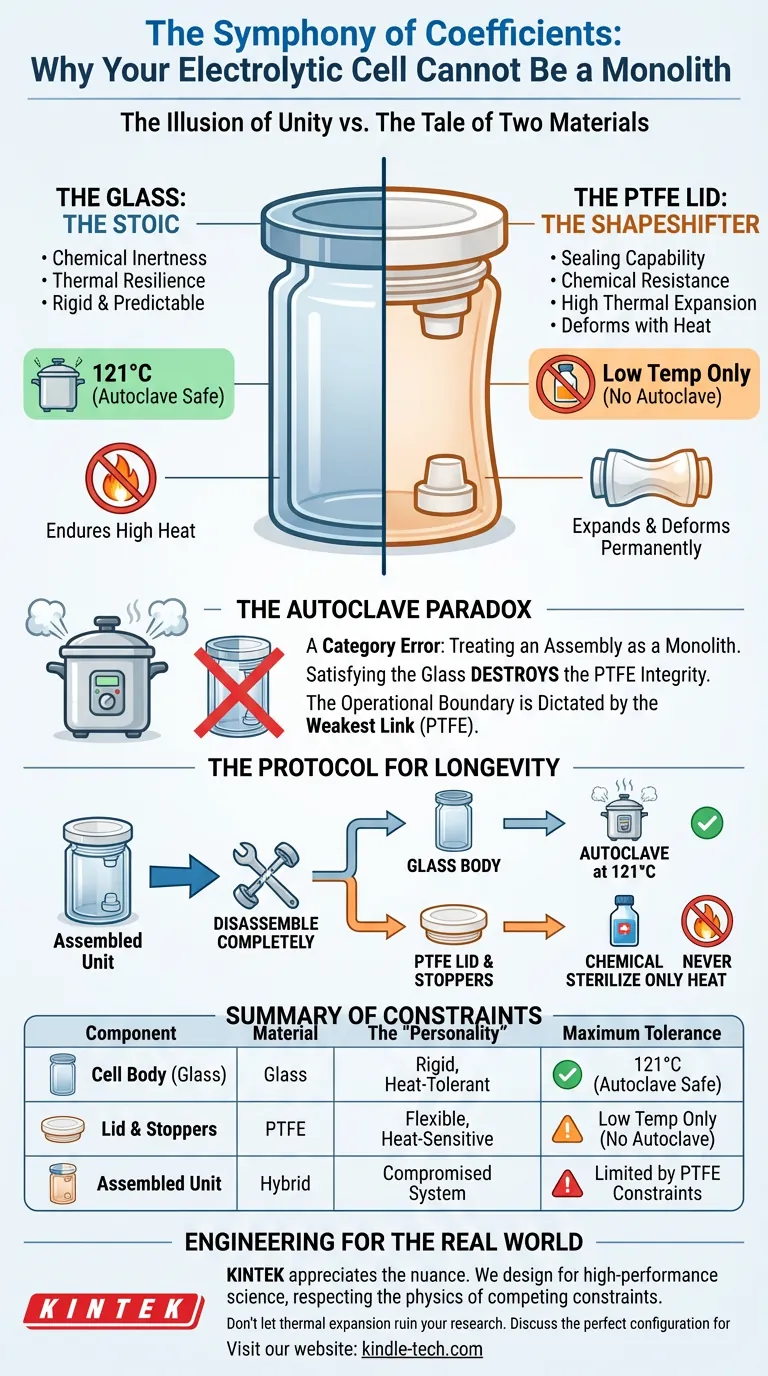
You can put the glass body in an autoclave at 121°C. It will endure the high pressure and steam, get sterilized, and come out exactly as it went in. It is rigid and predictable.
The PTFE Lid: The Shapeshifter
The lid and stoppers are made of PTFE (Teflon). It is chosen for its sealing capability and chemical resistance. However, regarding temperature, it is the polar opposite of glass.
PTFE has a high coefficient of thermal expansion. When you heat it, it doesn't just get hot; it moves. It expands.
If you subject the PTFE lid to the same 121°C that sterilizes the glass, the polymer chains begin to slide. The lid expands, pushing against the rigid glass or the threads. Because it is confined, it deforms permanently. When it cools, it does not return to its original shape. The seal is gone. The unit is ruined.
The Autoclave Paradox
The tragedy usually happens in the pursuit of cleanliness. A researcher needs a sterile environment. They look at the cell, see "high-quality materials," and place the fully assembled unit into the autoclave.
This is a category error.
You are treating an assembly of parts as a single material. The glass wants to be cleaned; the PTFE wants to remain cool. By satisfying the needs of the glass, you destroy the integrity of the PTFE.
The Golden Rule: The operational boundary of the entire system is dictated by its weakest link. In this case, the temperature limit of the PTFE lid sets the limit for the whole assembly.
The Protocol for Longevity
To navigate this, we must embrace a ritual of disassembly. It requires more time, but physics does not offer shortcuts.
Sterilization Strategy
If your experiment demands sterility, you must separate the components.
- Disassemble completely. Isolate the glass body.
- Autoclave the glass. Subject the body and glass accessories (like Luggin capillaries) to 121°C.
- Chemicallize the PTFE. Use chemical sterilization methods for the lid and stoppers. Never heat.
Operational Temperature
When running the reaction, the water bath ensures stability. However, you are still constrained by the PTFE.
- Monitor the circulating water temperature strictly.
- Avoid thermal shocks that might cause rapid expansion discrepancies.
- Inspect the PTFE seals before every use for signs of "creep" or deformation.
Summary of Constraints
The following table outlines the stark differences in how you must treat the components:
| Component | Material | The "Personality" | Maximum Tolerance |
|---|---|---|---|
| Cell Body | Glass | Rigid, heat-tolerant | 121°C (Autoclave Safe) |
| Lid & Stoppers | PTFE | Flexible, heat-sensitive | Low Temp Only (No Autoclave) |
| Assembled Unit | Hybrid | Compromised System | Limited by PTFE Constraints |
Engineering for the Real World
There is a certain romance in using lab equipment correctly. It implies that you understand the deep nature of the tools in your hands. You aren't just running an experiment; you are managing a physical system with competing constraints.
At KINTEK, we appreciate this nuance. We design our equipment with the understanding that high-performance science requires high-performance materials, even when those materials have conflicting properties. Whether you need robust glass bodies or precision-milled PTFE seals, we provide the tools that allow you to navigate these physical realities with confidence.
Do not let thermal expansion ruin your research. Contact Our Experts to discuss the perfect configuration for your specific temperature and sterilization needs.
Visual Guide
Related Products
- Electrolytic Electrochemical Cell with Five-Port
- Double Layer Five-Port Water Bath Electrolytic Electrochemical Cell
- Customizable PEM Electrolysis Cells for Diverse Research Applications
- PTFE Electrolytic Cell Electrochemical Cell Corrosion-Resistant Sealed and Non-Sealed
- Side Window Optical Electrolytic Electrochemical Cell
Related Articles
- The Architecture of Control: Decoding the Five-Port Electrolytic Cell
- The Fragile Vessel of Truth: A Maintenance Manifesto for Electrolytic Cells
- The Fragility of Precision: Mastering the Integrity of Five-Port Electrolytic Cells
- The Art of the Sealed System: Mastering the Five-Port Electrolytic Cell
- The Architecture of Accuracy: Inside the Five-Port Electrolytic Cell