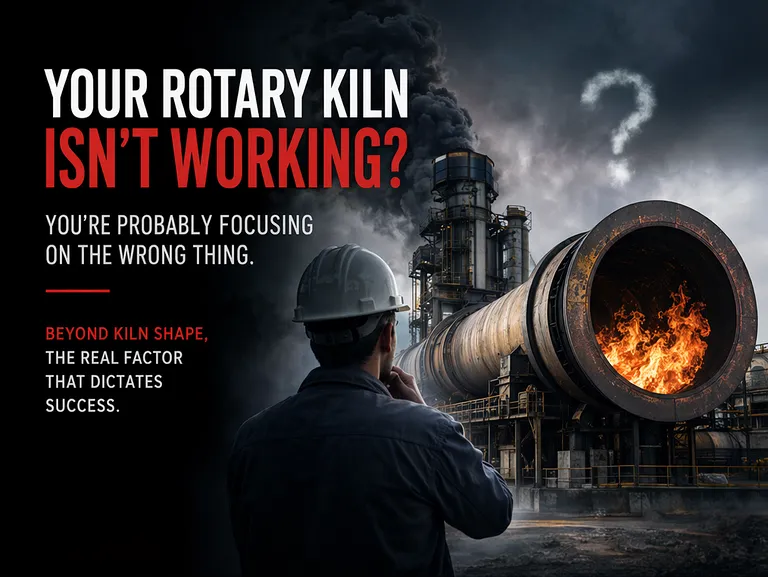
It’s one of the most frustrating scenarios in industrial operations: you’ve invested heavily in a new rotary kiln incinerator, a core piece of your waste management or production process. But instead of a solution, you have a new set of problems.
The destruction efficiency is inconsistent. Your team is struggling with blockages and shutdowns. Worse yet, you’re dangerously close to failing emissions compliance tests. You bought what you were told was the “right” model, so why is it performing so poorly?
The Familiar Cycle of "Fixes" That Don't Fix Anything
If this situation sounds familiar, you've likely already been down a long and expensive road of troubleshooting. The typical response is to start adjusting operational parameters:
- "Let's increase the temperature."
- "Maybe a slower rotation speed will give it more time."
- "We need to pre-treat the waste to make it more uniform."
- "The operators must be doing something wrong."
Each tweak might offer a fleeting moment of improvement, but the core issues of inefficiency and unreliability persist.
This isn't just a technical headache; it's a significant business liability. Every failed batch costs money in wasted energy and materials. Every hour of downtime stalls your entire operation. And the looming threat of regulatory fines for non-compliance can run into the hundreds of thousands, not to mention the damage to your company's reputation.
You're stuck in a cycle of treating symptoms, because the real disease lies in a decision that was made long before the kiln was ever turned on.
The Decoy: Why Focusing on Kiln Shape Leads You Astray
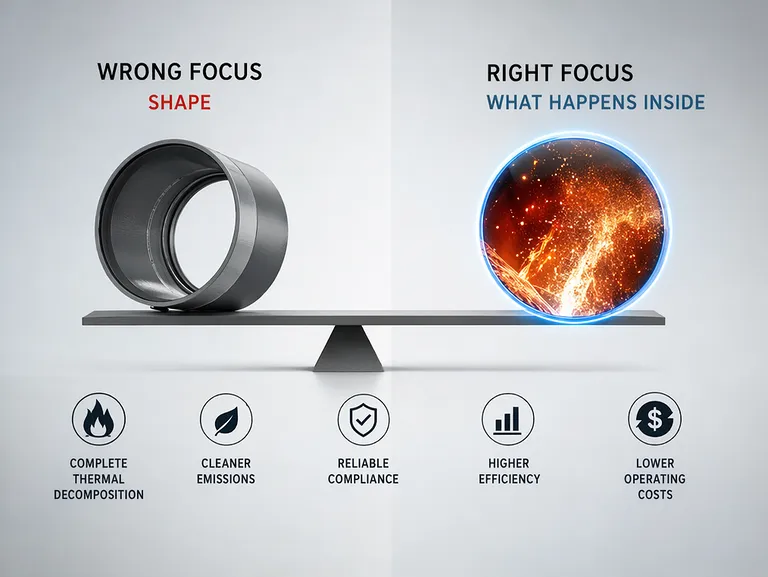
Here is the fundamental truth that is often missed in the sales process: the physical shape of a rotary kiln is not the primary factor that determines its success.
Most discussions about kilns begin by focusing on their physical design: the simple straight cylinder, the one with an expanded "hot end," or the one with a wider "cold end." These shapes are tangible, easy to visualize, and seem like the most important choice. But they are a distraction from the one variable that truly governs performance.
The real driver—the invisible force dictating efficiency, safety, and effectiveness—is the flow configuration. It’s the relationship between the direction your waste travels and the direction the hot combustion gas flows.
Co-Current vs. Counter-Current: The One Decision That Changes Everything
This single operational principle, co-current or counter-current flow, defines how heat is transferred to your material. Getting it wrong is like using a race car to tow a heavy load; it's the wrong tool for the job, no matter how powerful it is.
-
Co-Current (Parallel Flow): Imagine tossing a wet bundle of leaves directly onto a raging bonfire. The waste and the hottest gases enter at the same end and move in the same direction. This delivers an immediate, intense thermal shock. It's perfect for rapidly drying high-moisture materials like sludge or safely burning off highly volatile compounds at the entrance, preventing dangerous gas buildup further down the line.
-
Counter-Current Flow: Now, picture slowly feeding a log into a furnace, hot-end first. The waste enters at the cool end while the hot gases enter from the opposite, hot end. The material is gradually preheated and dried by the exiting gases as it moves toward the flame. It experiences the absolute highest temperature right before it's discharged as clean ash. This method is extraordinarily thermally efficient and ensures the most complete destruction of difficult, hazardous materials.
This is why your previous "fixes" failed. If you have a co-current kiln, no amount of temperature tweaking will ever achieve the maximum thermal efficiency and destruction rates of a counter-current design. And if you’re trying to process high-moisture sludge in a counter-current system, you risk creating unstable combustion and operational nightmares. The kiln's shape—be it straight or expanded—only serves to optimize one of these two fundamental flow principles, not replace it.
The Right Tool for the Job: A System Designed from Principle
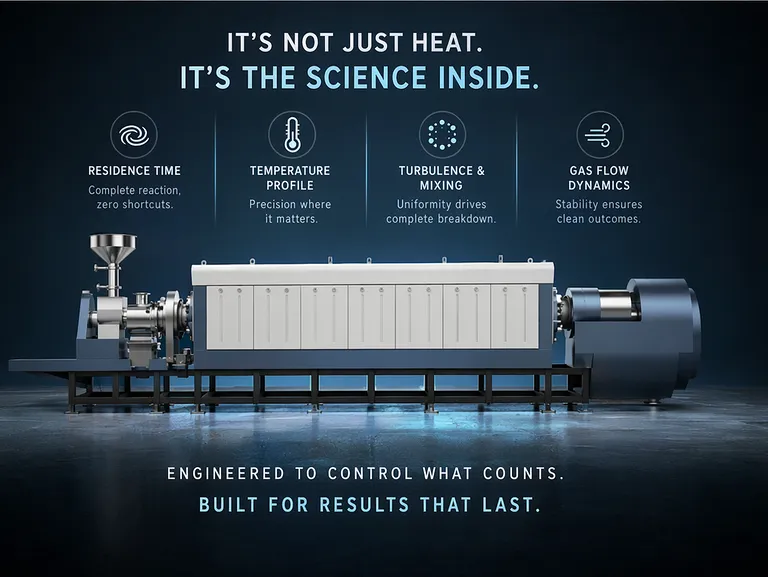
To truly solve the problem, you must stop thinking about buying a product and start thinking about designing a solution. The process shouldn't begin with a catalog of kiln shapes. It must begin with a deep analysis of your waste stream.
What is its moisture content? Its volatility? Its chemical composition? What is your primary goal—maximum destruction, energy recovery, or safe handling of bulky material?
This is where a true technical partner stands apart. At KINTEK, we don't start by showing you a kiln. We start by analyzing your specific challenge. Our expertise is built on a foundational understanding of these thermal dynamics. We help you identify the correct core principle—co-current or counter-current—and then we configure a system with the appropriate shell design and features to execute that principle flawlessly.
Our equipment isn't just a piece of hardware; it's the physical embodiment of a correctly diagnosed solution, engineered to deliver predictable, reliable, and compliant results because it was chosen for the right reasons from the very beginning.
Beyond the Fix: Unlocking New Operational Potential
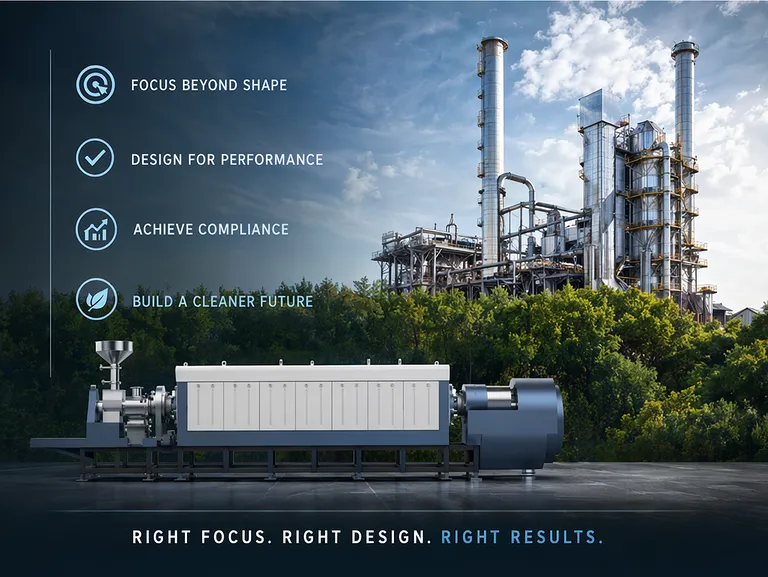
When you move from a poorly matched system to one that is perfectly aligned with your material and goals, the benefits go far beyond simply "fixing" the old problems. You unlock entirely new levels of operational capability.
- Take on More Complex Projects: With a system optimized for hazardous materials, you can confidently bid on more lucrative contracts that were previously out of reach.
- Exceed Compliance, Build Trust: Instead of scraping by, you can guarantee destruction and removal efficiencies (DRE) of 99.99% or higher, establishing your facility as an environmental leader.
- Dramatically Reduce Operating Costs: A thermally efficient counter-current system can slash your fuel consumption. A co-current system designed for wet waste can eliminate the need for expensive, energy-intensive pre-drying equipment.
- Accelerate R&D: In a laboratory setting, a precisely matched kiln removes equipment performance as a variable, allowing you to trust your data and scale up new thermal processes with confidence.
Getting your thermal processing right isn't just about avoiding penalties; it's about transforming a cost center into a competitive advantage. It starts by moving past the superficial distractions and focusing on the fundamental principles that drive performance.
Your waste stream is unique. Your operational goals are specific. Don't settle for a one-size-fits-all solution. Let our team help you diagnose your true needs and design a system that works, not just on paper, but in the real world, day after day. Contact Our Experts to begin the conversation.
Related Products
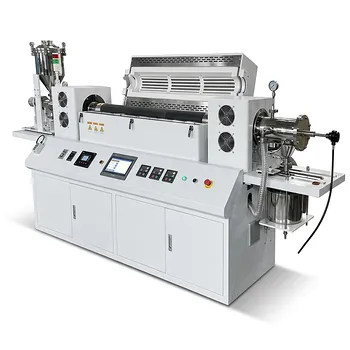
- Electric Rotary Kiln Small Rotary Furnace Biomass Pyrolysis Plant
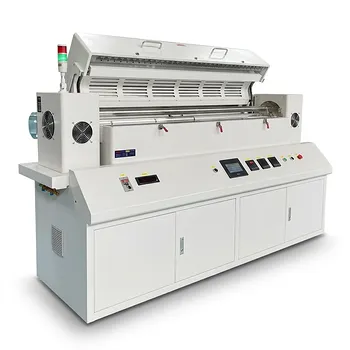
- Electric Rotary Kiln Continuous Working Small Rotary Furnace Heating Pyrolysis Plant
- Electric Rotary Kiln Small Rotary Furnace for Activated Carbon Regeneration
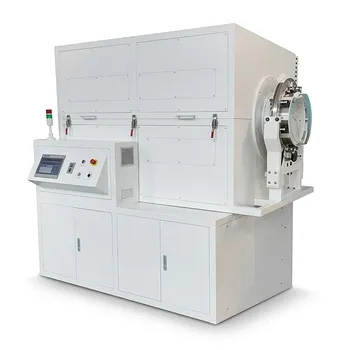
- Electric Rotary Kiln Pyrolysis Furnace Plant Machine Calciner Small Rotary Kiln Rotating Furnace
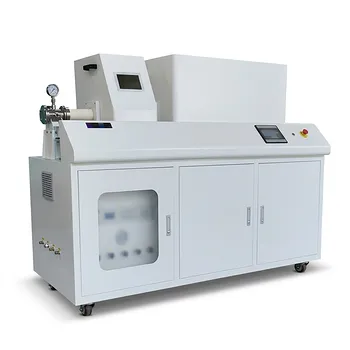
- Vacuum Sealed Continuous Working Rotary Tube Furnace Rotating Tube Furnace
Related Articles
- Why Your Lab's Rotary Kiln Fails: It’s Not Your Process, It’s the Parts
- Your Rotary Kiln Isn't an Oven: The Secret to Consistent Thermal Processing
- Why More Fuel Isn't Fixing Your Rotary Kiln—And What Will
- Your Rotary Kiln is Wasting Energy and Money. The Reason is Hiding in Plain Sight.
- Mastering Rotary Kilns: A Comprehensive Guide to Operation, Applications, and Maintenance