Electrolytic cells and electrochemical workstations function as the bridge between theoretical material design and practical application. The electrolytic cell serves as the physical reaction vessel that maintains a strictly controlled chemical environment, while the workstation acts as the measurement engine, capturing critical data regarding current-voltage characteristics and stability. Together, these systems determine if a Platinum-Palladium (Pt/Pd) alloy can translate its theoretical potential into actual fuel cell performance.
The combination of these tools is essential for verifying the link between theory and reality. They provide the empirical data necessary to confirm that the theoretical electronic density of states (DOS) actually results in superior electrocatalytic performance in a physical setting.
The Role of the Hardware
To evaluate Pt/Pd alloys effectively, you must understand the distinct function of each hardware component.
The Electrolytic Cell: The Reaction Vessel
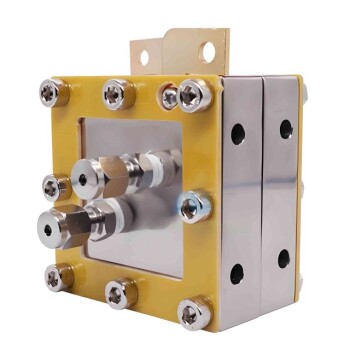
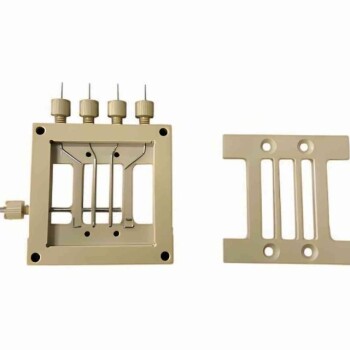
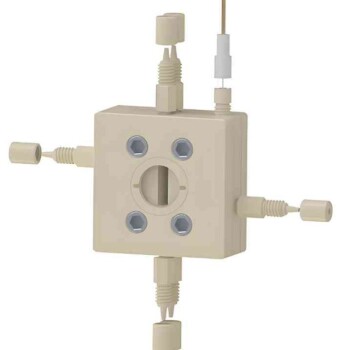
The electrolytic cell acts as the stage for the experiment. Its primary function is to provide a controlled electrolyte environment.
This isolation ensures that external contaminants do not skew results. It allows the Pt/Pd alloy to interact with the electrolyte under precise conditions, ensuring that any measured activity is a result of the alloy's properties, not environmental noise.
The Electrochemical Workstation: The Analytical Engine
While the cell holds the reaction, the electrochemical workstation quantifies it.
This device is responsible for executing the specific testing protocols. It applies electrical signals and records the resulting data to build a comprehensive performance profile of the alloy.
Key Performance Metrics Measured
The electrochemical workstation gathers three specific types of data to evaluate the Pt/Pd alloy.
Current-Voltage Characteristics
The workstation measures how the current changes in response to applied voltage.
This data reveals the fundamental activity of the alloy. It indicates the rate at which the redox reaction occurs on the electrode surface.
Charge Transfer Resistance
This metric measures how easily electrons move between the electrode (the alloy) and the electrolyte.
Lower charge transfer resistance typically indicates a more efficient catalyst. The workstation quantifies this resistance to determine the kinetic efficiency of the material.
Cycling Stability
Fuel cells must operate over long periods, so durability is key.
The workstation tests cycling stability by repeatedly exposing the alloy to redox cycles. This identifies if the material degrades or maintains its performance over time.
Bridging Theory and Reality
The ultimate goal of using this setup is not just to generate data, but to validate theoretical models.
Verifying Electronic Density of States (DOS)
Scientists use theoretical models to predict the electronic density of states (DOS) of an alloy, which suggests how reactive it should be.
However, theory is not proof. The electrolytic cell and workstation provide the physical verification needed to confirm that a favorable theoretical DOS translates to actual, high-performance electrocatalysis.
Making the Right Choice for Your Goal
When designing your evaluation strategy, focus your analysis on the specific metric that aligns with your end goal.
- If your primary focus is reaction efficiency: Prioritize the charge transfer resistance data to understand how easily electrons are moving across the alloy interface.
- If your primary focus is long-term durability: Focus heavily on cycling stability results to ensure the alloy can withstand repeated use without degradation.
- If your primary focus is validating new material designs: Use the current-voltage characteristics to directly compare the actual output against your theoretical DOS predictions.
By correlating the controlled environment of the cell with the precise measurements of the workstation, you transform theoretical potential into proven capability.
Summary Table:
| Component / Metric | Primary Function in Pt/Pd Evaluation |
|---|---|
| Electrolytic Cell | Provides a controlled electrolyte environment and isolates reaction from contaminants. |
| Electrochemical Workstation | Executes testing protocols and captures high-precision current-voltage data. |
| Current-Voltage (I-V) | Indicates the fundamental electrocatalytic activity and redox reaction rates. |
| Charge Transfer Resistance | Measures the kinetic efficiency of electron movement between electrode and electrolyte. |
| Cycling Stability | Evaluates long-term durability and material degradation under repeated use. |
Advance Your Fuel Cell Research with KINTEK
Bridge the gap between theoretical material design and physical performance. KINTEK provides specialized, high-precision electrolytic cells and electrodes, along with a comprehensive suite of battery research tools and consumables tailored for the most demanding electrochemical applications.
Whether you are testing Platinum-Palladium alloys or developing next-generation energy storage, our equipment—from high-temperature furnaces and vacuum reactors to cooling solutions and PTFE consumables—ensures your lab delivers accurate, repeatable results.
Ready to optimize your electrocatalytic testing? Contact us today to discuss our full range of laboratory equipment and consumables with our technical experts!
References
- L Botha, Elizaveta Ivanovna Plastinina. Ab Initio Study of Structural, Electronic, and Thermal Properties of Pt/Pd-Based Alloys. DOI: 10.3390/condmat8030076
This article is also based on technical information from Kintek Solution Knowledge Base .
Related Products
- PTFE Electrolytic Cell Electrochemical Cell Corrosion-Resistant Sealed and Non-Sealed
- Super Sealed Electrolytic Electrochemical Cell
- Electrolytic Electrochemical Cell with Five-Port
- H Type Electrolytic Cell Triple Electrochemical Cell
- Electrolytic Electrochemical Cell Gas Diffusion Liquid Flow Reaction Cell
People Also Ask
- What is the necessity of selecting a PTFE electrolytic cell? Ensure Precise Graphene Corrosion Testing Accuracy
- What is the proper method for cleaning the surface of an all-PTFE electrolytic cell? Ensure Accurate Results with a Pristine Surface
- How should an all-PTFE electrolytic cell be stored after use? Expert Maintenance Tips for Long-Lasting Performance
- What is the proper cleaning method for an all-PTFE electrolytic cell? Essential Tips for Surface Integrity
- What are the standard opening specifications for all-PTFE electrolytic cells? A Guide to Sealed vs. Non-Sealed Ports