In an electrolytic cell, the functions of the cathode and anode are strictly defined by the chemical reactions occurring at their surfaces and their connection to an external power source. The cathode functions as the site of reduction, where it receives electrons to neutralize positively charged ions. The anode functions as the site of oxidation, where it collects electrons released by negatively charged ions.
Core Insight: Regardless of the cell type or polarity, the defining rule of electrochemistry is immutable: Oxidation always occurs at the Anode, and Reduction always occurs at the Cathode.
The Chemical Definition: Oxidation and Reduction
The most accurate way to define these electrodes is by the specific "half-reaction" they facilitate. This definition holds true regardless of the physical setup.
The Cathode Function
The cathode is the site of reduction. Within the electrolyte, positively charged ions (called cations) migrate toward this electrode.
Upon reaching the cathode, these cations gain electrons supplied by the external circuit. This gain of electrons reduces their oxidation state, often resulting in the plating of pure metal or the release of hydrogen gas.
The Anode Function
The anode is the site of oxidation. Negatively charged ions (called anions) migrate toward this electrode.
At the anode, these anions lose (deposit) electrons. These released electrons then exit the cell and travel through the external wire, effectively closing the electrical circuit.
The Electrical Definition: Polarity and Flow
In an electrolytic cell, the reaction is non-spontaneous, meaning it requires external energy (like a battery) to force the reaction to occur. This dictates the polarity of the electrodes.
The Anode is Positive
The anode connects to the positive terminal of the external battery or power source.
Because it is positively charged, it attracts anions (negatively charged ions) from the solution. The battery pulls electrons away from the anode, maintaining its positive potential and encouraging oxidation.
The Cathode is Negative
The cathode connects to the negative terminal of the external power source.
The power source pumps electrons into this electrode, giving it a negative charge. This negative charge attracts cations (positively charged ions) from the electrolyte to facilitate reduction.
Understanding the Trade-offs: Common Pitfalls
Confusion often arises because electrode polarity changes between electrolytic cells (driven by power) and galvanic cells (producing power, like a standard battery). It is vital to distinguish between these to avoid wiring errors.
Polarity Reversal
In a Galvanic cell, the anode is negative and the cathode is positive. However, in the Electrolytic cell discussed here, this is reversed: the anode is positive and the cathode is negative.
Never assume polarity based on the wire color alone; always verify the source of the current.
The "Red Cat" Constant
Despite the polarity flip mentioned above, the chemical definitions never change.
A helpful mnemonic to avoid confusion is "Red Cat An Ox": Reduction always happens at the Cathode, and Anode is always for Oxidation. Relying on this rule is safer than relying on positive/negative signs alone.
Determining the Correct Setup for Your Goal
When designing or analyzing an electrochemical system, use the following guide to ensure the electrodes are functioning as intended:
- If your primary focus is plating a metal (Reduction): Connect the object you wish to plate to the negative terminal; this makes it the cathode.
- If your primary focus is generating gas or dissolving metal (Oxidation): Connect the electrode where this action is required to the positive terminal; this makes it the anode.
- If you are analyzing an unknown diagram: Look for the direction of electron flow; electrons always flow through the wire from the anode to the cathode.
By anchoring your understanding in the movement of electrons—from the anode where they are liberated to the cathode where they are consumed—you ensure accurate control over the electrolytic process.
Summary Table:
| Feature | Cathode | Anode |
|---|---|---|
| Chemical Process | Reduction (Gains Electrons) | Oxidation (Loses Electrons) |
| Ion Attraction | Cations (+) migrate here | Anions (-) migrate here |
| Electrical Polarity | Negative (-) Terminal | Positive (+) Terminal |
| Electron Flow | Into the electrode | Out of the electrode |
| Common Result | Metal plating / Gas release | Dissolving metal / Gas generation |
Elevate Your Electrochemical Research with KINTEK
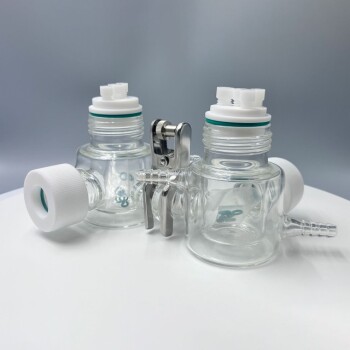
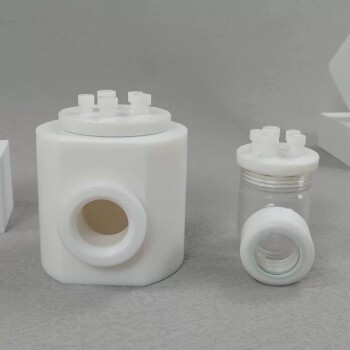
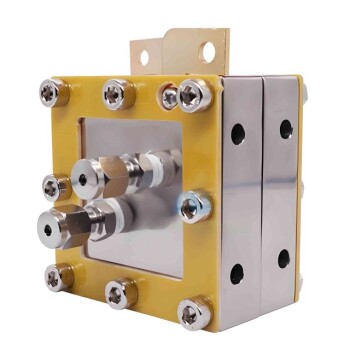
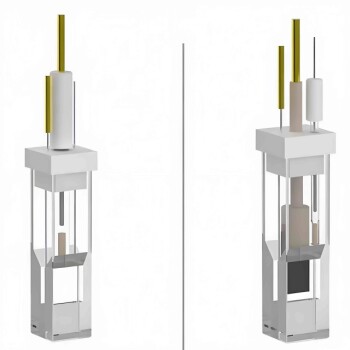
Precision in electrolysis starts with high-quality components. At KINTEK, we specialize in providing researchers and industrial laboratories with premium electrolytic cells and electrodes, tailored to ensure consistent performance in reduction and oxidation processes. Whether you are conducting advanced battery research or complex metal plating, our comprehensive range of tools—including high-temperature reactors, furnaces, and specialized consumables—is designed to meet the most rigorous standards.
Ready to optimize your laboratory setup? Contact us today to discover how our high-performance solutions can enhance your accuracy and efficiency.
Related Products
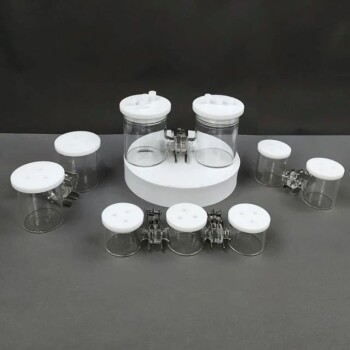
- PTFE Electrolytic Cell Electrochemical Cell Corrosion-Resistant Sealed and Non-Sealed
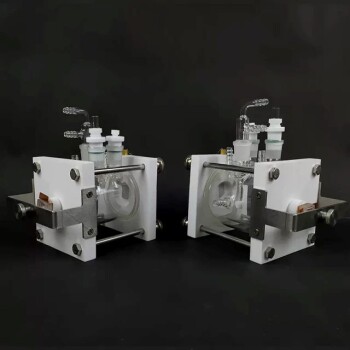
- Super Sealed Electrolytic Electrochemical Cell
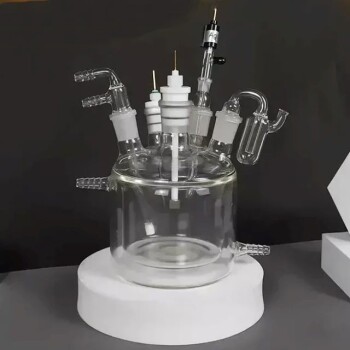
- Electrolytic Electrochemical Cell with Five-Port
- H Type Electrolytic Cell Triple Electrochemical Cell
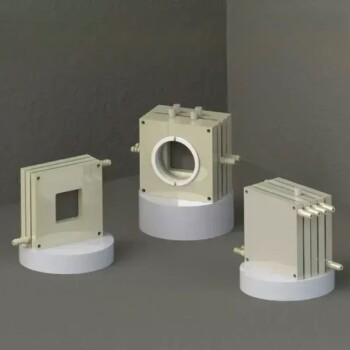
- Electrolytic Electrochemical Cell Gas Diffusion Liquid Flow Reaction Cell
People Also Ask
- What is the necessity of selecting a PTFE electrolytic cell? Ensure Precise Graphene Corrosion Testing Accuracy
- What is the proper method for cleaning the surface of an all-PTFE electrolytic cell? Ensure Accurate Results with a Pristine Surface
- How should an all-PTFE electrolytic cell be stored after use? Expert Maintenance Tips for Long-Lasting Performance
- What is the proper cleaning method for an all-PTFE electrolytic cell? Essential Tips for Surface Integrity
- What are the standard opening specifications for all-PTFE electrolytic cells? A Guide to Sealed vs. Non-Sealed Ports