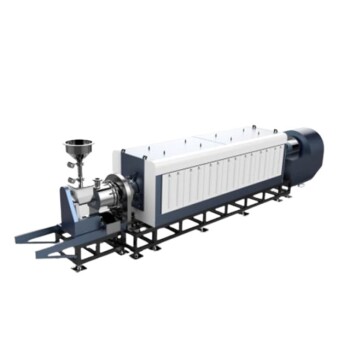
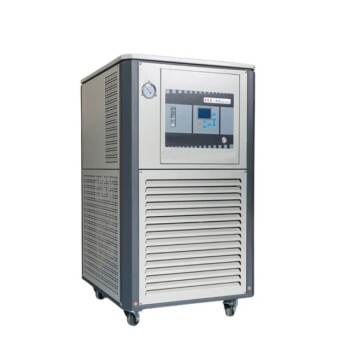
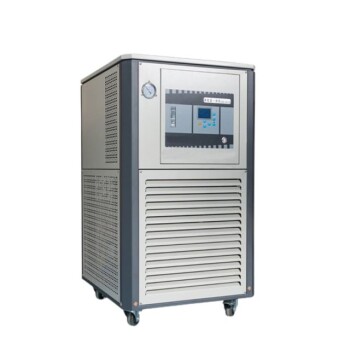
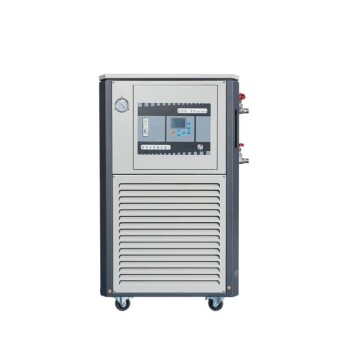
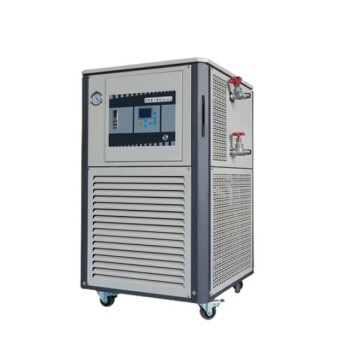
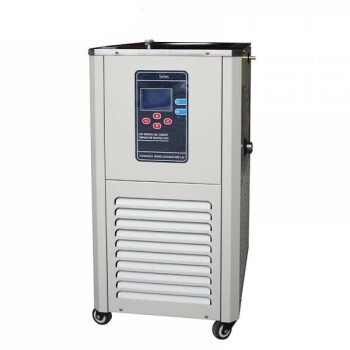
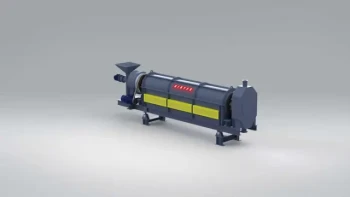
High-temperature furnaces and high-pressure hydrothermal reactors serve as the transformative engines in the recycling of bioleaching residues. These technologies are responsible for converting recovered metal salts into usable high-performance lithium alloy metal oxides through solid-phase synthesis and crystallization. By facilitating these precise chemical changes, they allow waste products to be regenerated into active cathode materials for new batteries.
The core function of this equipment is to bridge the gap between recovered waste and functional battery components. By regenerating materials directly from residues, these systems complete the closed-loop cycle and significantly reduce the energy required compared to mining and refining virgin resources.
The Mechanics of Regeneration
Driving Chemical Transformation
The primary role of these devices is to subject bioleaching residues and precipitation products to specific temperature and pressure conditions. This controlled environment is necessary to drive the chemical reactions that reconstruct the material's atomic structure.
Solid-Phase Synthesis and Crystallization
Through these thermal and barometric processes, the equipment facilitates solid-phase synthesis or crystallization. This effectively reorganizes the recovered metal salts into a stable, usable form rather than leaving them as raw chemical byproducts.
Producing High-Performance Materials
Creating Lithium Alloy Metal Oxides
The specific output of this high-temperature and high-pressure treatment is lithium alloy metal oxide. This is the active material required for battery cathodes, marking the transition from "recycled waste" to "manufacturing input."
Ensuring Material Quality
The reference emphasizes that these are high-performance materials. The use of specialized reactors and furnaces ensures that the regenerated oxides meet the rigorous standards required for modern energy storage, rather than resulting in low-grade downcycled products.
Strategic Benefits of the Process
Reducing Energy Consumption
Utilizing these reactors to regenerate materials offers a distinct energy advantage. Producing battery materials via this method requires significantly less energy than extracting and processing new materials from raw natural resources.
Completing the Closed-Loop Cycle
This equipment is the linchpin of a circular economy for batteries. By turning bioleaching residues back into cathodes, the process ensures that end-of-life batteries become the feedstock for the next generation of power storage.
Operational Considerations
The Necessity of Precision
Success in this process is not merely about applying heat or pressure; it relies on maintaining specific conditions. Deviating from the required parameters would fail to produce the crystalline structures necessary for high-performance oxides.
Equipment Dependency
The quality of the final cathode material is directly tied to the capability of the furnace or reactor. These are not passive containment vessels but critical active components in the synthesis of advanced materials.
Making the Right Choice for Your Goal
- If your primary focus is material quality: Ensure your processing parameters allow for precise solid-phase synthesis to guarantee high-performance lithium alloy oxides.
- If your primary focus is sustainability: Leverage this regeneration process to minimize the energy footprint associated with sourcing virgin battery materials.
By integrating these high-temperature and high-pressure technologies, you convert complex waste streams into valuable resources, effectively closing the loop on battery production.
Summary Table:
| Process Component | Role in Recycling | Key Benefit |
|---|---|---|
| High-Temp Furnace | Facilitates solid-phase synthesis | Creates stable lithium alloy metal oxides |
| Hydrothermal Reactor | Enables high-pressure crystallization | Reconstructs atomic structures of residues |
| Controlled Environment | Maintains precise thermal parameters | Ensures high-performance cathode quality |
| Circular Economy | Closes the battery production loop | Reduces energy use vs. mining virgin resources |
Transform Your Waste into High-Performance Materials with KINTEK
Elevate your battery recycling efficiency and material quality with KINTEK’s industry-leading thermal and pressure solutions. Whether you are conducting solid-phase synthesis or complex crystallization, our comprehensive range of high-temperature furnaces (muffle, tube, vacuum, CVD) and high-pressure reactors and autoclaves are designed to meet the rigorous standards of modern energy storage research.
Why choose KINTEK?
- Precision Engineering: Achieve the exact temperature and pressure conditions required for high-grade lithium alloy metal oxides.
- Complete Laboratory Solutions: From crushing and milling systems to pellet presses and battery research tools, we provide everything needed for a closed-loop recycling workflow.
- Expert Support: Our team specializes in laboratory equipment and consumables (including cruibles, ceramics, and PTFE products) to ensure your research yields consistent, high-performance results.
Ready to optimize your regeneration process and reduce your energy footprint? Contact our technical experts today to find the perfect equipment for your lab!
References
- Xu Zhang, Tingyue Gu. Advances in bioleaching of waste lithium batteries under metal ion stress. DOI: 10.1186/s40643-023-00636-5
This article is also based on technical information from Kintek Solution Knowledge Base .
Related Products
- High Pressure Laboratory Autoclave Reactor for Hydrothermal Synthesis
- Customizable Laboratory High Temperature High Pressure Reactors for Diverse Scientific Applications
- Custom PTFE Teflon Parts Manufacturer for Hydrothermal Synthesis Reactor Polytetrafluoroethylene Carbon Paper and Carbon Cloth Nano-growth
- Electric Rotary Kiln Small Rotary Furnace Biomass Pyrolysis Plant
- Customizable High Pressure Reactors for Advanced Scientific and Industrial Applications
People Also Ask
- What role does a high-pressure reactor (autoclave) play in the synthesis of NiCuFe-LDH? Master Hydrothermal Growth
- What Role Does a High-Pressure Reactor or Autoclave Play in HA Catalyst Synthesis? Achieve High Surface Area Materials
- What equipment is required for hydrothermal synthesis of Ga0.25Zn4.67S5.08? Optimize Your Semiconductor Production
- What is the function of a high-pressure reactor in the hydrothermal synthesis of boehmite? Expert Process Insights
- What role does an autoclave play in the synthesis of MnO2 nanofibers? Mastering Hydrothermal Growth