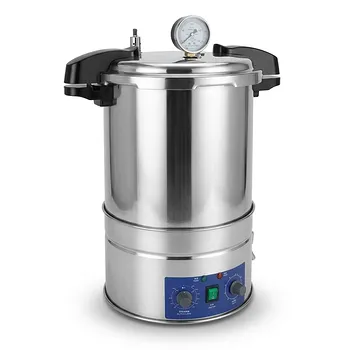
A high-pressure reactor, or autoclave, facilitates green synthesis by generating a subcritical hydrothermal environment. By subjecting precursors like glucose to high temperatures and pressures within a closed system, the reactor induces necessary carbonization and oxidation reactions without relying on toxic chemical catalysts.
By leveraging thermal energy and pressure to drive chemical changes, high-pressure reactors eliminate the need for strong acids, oxidants, and organic solvents, effectively transforming simple precursors into graphene oxide through a clean, "green" process.
Creating the Subcritical Environment
The core function of the autoclave is to manipulate the physical state of the solvent (water) to alter chemical reactivity.
The Power of the Closed System
The reactor operates as a strictly closed vessel. This design traps steam and pressure, allowing the internal environment to exceed standard atmospheric limits.
Achieving the Subcritical State
Under these conditions, the environment enters a subcritical state. In this state, the physical properties of water change, allowing it to act as a powerful medium for chemical transformation.
Driving Thermochemical Reactions
This high-energy environment naturally induces complex thermochemical reactions. Specifically, it forces the carbonization and oxidation of precursors, converting raw materials into nanoscale graphene oxide.
The Mechanics of Green Chemistry
The primary value of the high-pressure reactor is its ability to replace hazardous chemical inputs with physical energy.
Eliminating Strong Acids
Standard synthesis often requires corrosive acids to strip and modify carbon structures. The hydrothermal method avoids this entirely, relying on pressure to drive the reaction.
Removing Strong Oxidants
By utilizing a high-temperature environment, the reactor bypasses the need for dangerous chemical oxidants. The oxidation necessary for creating graphene oxide occurs via the hydrothermal conditions.
Avoiding Organic Solvents
The process negates the need for expensive and environmentally harmful organic solvents. This makes the autoclave a core piece of hardware for reducing toxic waste in laboratory synthesis.
Operational Considerations
While environmentally superior, this method shifts the burden from chemical management to process control.
Precursor Specificity
The reference specifically notes precursors like glucose. This implies that the method is optimized for building up graphene oxide from carbon-rich molecules (bottom-up) rather than exfoliating it from graphite (top-down).
Reaction Visibility
Because the reaction occurs in a closed, high-pressure vessel, direct observation of the process is impossible. Success depends entirely on the precise control of temperature and pressure parameters rather than visual monitoring.
Making the Right Choice for Your Goal
When selecting a synthesis method for graphene oxide, weigh the importance of environmental impact against your material inputs.
- If your primary focus is Environmental Safety: Utilize the autoclave method to completely eliminate the handling and disposal of strong acids and toxic solvents.
- If your primary focus is Cost Reduction: Adopt this hardware to remove the recurring expense of purchasing high-grade organic solvents and oxidants.
The high-pressure reactor replaces chemical aggression with thermal precision, offering a sustainable path to advanced nanomaterials.
Summary Table:
| Feature | Traditional Chemical Synthesis | Autoclave Hydrothermal Synthesis |
|---|---|---|
| Chemical Inputs | Strong acids (H2SO4), toxic oxidants | Water and simple precursors (e.g., glucose) |
| Environment | Open or reflux systems | Closed, subcritical hydrothermal state |
| Reaction Driver | Chemical aggression/catalysts | Thermal energy and high pressure |
| Waste Output | High (acidic waste, hazardous solvents) | Minimal (clean and sustainable) |
| Process Type | Top-down exfoliation | Bottom-up carbonization |
| Control Focus | Chemical concentrations | Temperature and pressure parameters |
Revolutionize Your Nanomaterial Synthesis with KINTEK
Transitioning to green chemistry requires precision and reliability. KINTEK specializes in advanced laboratory equipment, providing the high-performance high-temperature high-pressure reactors and autoclaves essential for subcritical hydrothermal synthesis.
Our reactors are designed to withstand the rigorous demands of graphene oxide production, ensuring precise control over thermochemical reactions while eliminating your lab's dependency on hazardous acids and solvents. Beyond reactors, KINTEK offers a comprehensive range of crushing and milling systems, high-temperature furnaces, and essential consumables like PTFE products and crucibles to support every stage of your research.
Ready to enhance your lab’s sustainability and efficiency? Contact us today to find the perfect reactor for your application!
References
- John Keyte, James Njuguna. Recent Developments in Graphene Oxide/Epoxy Carbon Fiber-Reinforced Composites. DOI: 10.3389/fmats.2019.00224
This article is also based on technical information from Kintek Solution Knowledge Base .
Related Products
- Customizable Laboratory High Temperature High Pressure Reactors for Diverse Scientific Applications
- Customizable High Pressure Reactors for Advanced Scientific and Industrial Applications
- Stainless High Pressure Autoclave Reactor Laboratory Pressure Reactor
- Mini SS High Pressure Autoclave Reactor for Laboratory Use
- High Pressure Laboratory Autoclave Reactor for Hydrothermal Synthesis
People Also Ask
- How do high-pressure and high-temperature reactors ensure the effective treatment of lignocellulosic wastewater in WAO?
- What equipment is required for high-pressure high-temperature reactions? Master Extreme Chemistry Safely
- How do you control high pressure in a reactor? A Guide to Safe & Stable Operation
- How does initial oxygen pressure affect the wet oxidation of pharmaceutical sludge? Master Your Oxidation Depth
- Why is argon better than nitrogen for inert atmosphere? Ensure Absolute Reactivity & Stability