The stainless steel high-pressure reactor with a polytetrafluoroethylene (PTFE) liner serves as the critical reaction chamber for generating high-quality protective coatings on Magnesium-Silver alloys.
This equipment creates a sealed, high-temperature, and high-pressure (hydrothermal) environment that forces the Mg-2Ag alloy to react fully with distilled water. Crucially, the PTFE liner isolates the reaction from the steel vessel, preventing corrosion and ensuring that no metal impurities contaminate the resulting magnesium hydroxide layer.
Core Takeaway The reactor setup enables a dual-function process: the stainless steel shell provides the pressure containment necessary for dense coating growth, while the chemically inert PTFE liner guarantees the purity required for a structurally complete protective layer.
Creating the Hydrothermal Environment
The synthesis of a robust hydroxide coating requires conditions that standard atmospheric boiling cannot provide.
Utilizing High Pressure and Temperature
The stainless steel outer shell acts as an autoclave. This allows the system to reach and maintain temperatures such as 160 degrees Celsius while keeping the distilled water in a liquid state through elevated pressure.
Driving Complete Reactions
Under these intense conditions, the reaction kinetics are accelerated. This ensures the Mg-2Ag substrate reacts fully with the water, rather than undergoing a superficial or patchy oxidation that might occur at lower temperatures.
Facilitating In Situ Growth
The sealed environment promotes "in situ" growth, meaning the coating forms directly on the surface of the alloy. This results in a structurally dense and continuous layer of Magnesium Hydroxide (Mg(OH)2), which is essential for protection.
Ensuring Chemical Purity with PTFE
While the stainless steel provides the muscle (strength), the PTFE liner provides the shield (purity).
Preventing Impurity Introduction
Stainless steel, while durable, can leach metal ions (such as iron or chromium) when exposed to hot, reactive chemical environments. The PTFE liner acts as an impermeable barrier between the reaction solution and the steel walls.
Maintaining Corrosion Resistance
PTFE is highly resistant to chemical attack. By using this liner, you ensure that the reagents react only with the magnesium alloy substrate, preserving the chemical integrity of the solution.
Enhancing Coating Consistency
By eliminating external contaminants, the liner ensures the crystal growth of the coating is not disrupted by foreign ions. This leads to a more uniform and "complete" protective layer.
Understanding the Operational Considerations
While this setup is superior for synthesis, it introduces specific operational factors that must be managed.
The "Black Box" Nature
Unlike open-beaker reactions, a stainless steel reactor creates a "black box" environment. You cannot visually monitor the nucleation or growth of the coating in real-time; the process relies entirely on pre-calculated pressures and temperatures.
Material Limitations
While the stainless steel shell can withstand extreme heat, the PTFE liner has a lower thermal ceiling. Although effective at 160°C, the liner restricts the equipment from being used in ultra-high-temperature sintering processes often used in other ceramic applications.
Making the Right Choice for Your Goal
To maximize the quality of your Mg-2Ag coatings, align your equipment usage with your specific objectives.
- If your primary focus is coating density: Rely on the sealed high-pressure capability of the stainless steel shell to force a complete reaction and create a structurally solid layer.
- If your primary focus is chemical purity: Ensure the PTFE liner is intact and clean to prevent the leaching of impurity ions from the reactor walls into your coating.
By strictly controlling the pressure environment and isolating the chemistry, you transform a simple hydration reaction into a precision engineering process.
Summary Table:
| Feature | Role in Synthesis | Benefit for Mg-2Ag Alloys |
|---|---|---|
| Stainless Steel Shell | Pressure containment & heat resistance | Enables hydrothermal growth at 160°C for dense coatings |
| PTFE (Teflon) Liner | Chemical isolation | Prevents metal ion leaching; ensures high-purity coating |
| Hydrothermal Method | Accelerated reaction kinetics | Promotes "in situ" growth of uniform, continuous layers |
| Sealed Environment | High-pressure liquid state | Ensures complete reaction between substrate and distilled water |
Elevate Your Material Research with KINTEK Precision
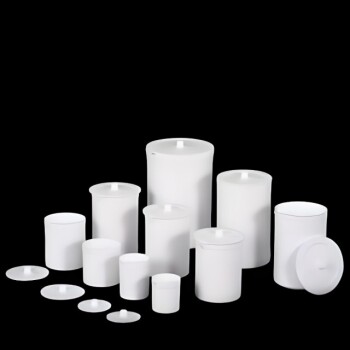
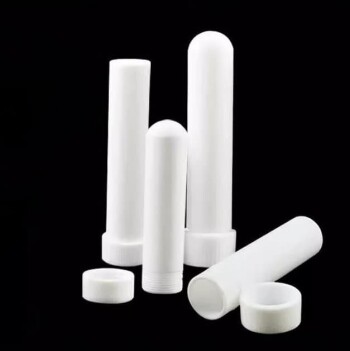
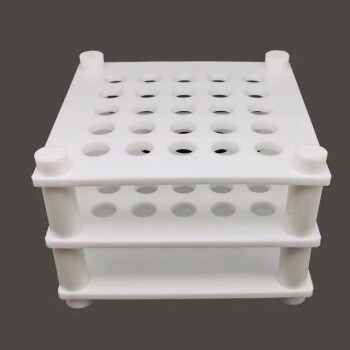
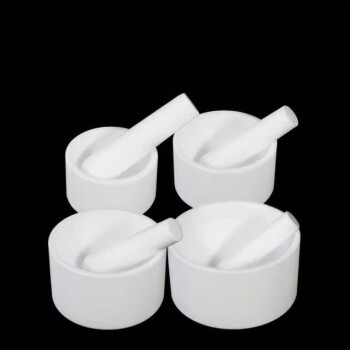
Achieving the perfect hydroxide coating requires the right balance of pressure, temperature, and chemical purity. KINTEK specializes in high-performance laboratory equipment designed for the most demanding hydrothermal synthesis applications. From our robust high-temperature high-pressure reactors and autoclaves to essential PTFE products and crucibles, we provide the tools researchers need to ensure structural density and chemical integrity.
Whether you are working on Mg-Ag alloys, battery research, or advanced ceramic applications, KINTEK offers a comprehensive range of solutions including:
- Muffle, Tube, and Vacuum Furnaces for precise thermal processing.
- Hydraulic Presses and Pellet Dies for sample preparation.
- Cooling Solutions and Homogenizers to maintain process stability.
Ready to optimize your lab's performance? Contact us today to find the perfect reactor for your research!
References
- Meysam Mohammadi Zerankeshi, Reza Alizadeh. Hydrothermal Coating of the Biodegradable Mg-2Ag Alloy. DOI: 10.3390/met13071260
This article is also based on technical information from Kintek Solution Knowledge Base .
Related Products
- Stainless High Pressure Autoclave Reactor Laboratory Pressure Reactor
- Custom PTFE Teflon Parts Manufacturer for Hydrothermal Synthesis Reactor Polytetrafluoroethylene Carbon Paper and Carbon Cloth Nano-growth
- Mini SS High Pressure Autoclave Reactor for Laboratory Use
- Custom PTFE Teflon Parts Manufacturer for Microwave Digestion Tank
- Customizable High Pressure Reactors for Advanced Scientific and Industrial Applications
People Also Ask
- Why is a laboratory high-pressure reactor used in the hydrothermal synthesis of hydroxyapatite catalysts?
- Why is a laboratory high-pressure reactor necessary for synthesizing fly ash-based zeolite? Achieve Pure Crystallization
- What role does a laboratory high-pressure reactor play in the leaching process of spent cathode materials? Optimize Recovery
- What conditions do laboratory high-pressure reactors provide for HTC? Optimize Your Biochar Production Processes
- How are high-pressure reactors used to prepare metaphosphate electrocatalysts? Master In-Situ Precursor Growth