Molybdenum heat shields offer vastly superior thermal reflection capabilities compared to their steel counterparts. In terms of raw efficiency, a single layer of molybdenum provides the same heat shielding effect as seven layers of steel, making it an exceptionally potent material for high-temperature thermal management.
The efficiency gap is significant: Molybdenum's high reflectivity allows you to achieve the same insulation performance with a fraction of the material volume, specifically maintaining a 7-to-1 performance ratio over steel.
The Performance Differential
The 7-to-1 Efficiency Ratio
The most critical metric for comparing these materials is the layering requirement. To achieve a specific thermal gradient, you would need seven distinct layers of steel to match the performance of just one layer of molybdenum.
This ratio highlights molybdenum's intrinsic ability to reflect radiant heat rather than absorb it.
Maximizing Space and Volume
Because of this efficiency, molybdenum allows for much more compact designs.
In applications where physical space is at a premium, such as vacuum furnaces or aerospace assemblies, replacing a bulky multi-layer steel pack with a thin molybdenum shield frees up valuable internal volume.
Understanding the Trade-offs
Cost vs. Performance
While molybdenum is chemically and thermally superior in reflection, it is a refractory metal and significantly more expensive than steel.
Engineers must weigh whether the space savings and thermal efficiency justify the increased material cost. If the application has ample space and weight is not a factor, the high cost of molybdenum may not be necessary.
Environmental Sensitivities
It is important to note that while efficient, molybdenum has environmental limitations.
Molybdenum performs exceptionally well in vacuum or inert gas atmospheres. However, unlike certain stainless steels, it oxidizes rapidly in air at high temperatures, which limits its use to controlled environments.
Making the Right Choice for Your Goal
Selecting the correct shield material depends on balancing thermal requirements with budget and environmental constraints.
- If your primary focus is thermal efficiency and space minimization: Choose molybdenum, as its 7-to-1 efficiency ratio allows for lightweight, compact shielding in high-temperature vacuum environments.
- If your primary focus is cost reduction in non-critical spacing: Choose steel, provided you have the room to install the multiple layers required to match the thermal protection.
By understanding the magnitude of molybdenum's efficiency, you can design thermal zones that are both effective and spatially optimized.
Summary Table:
| Feature | Molybdenum Heat Shield | Steel Heat Shield |
|---|---|---|
| Efficiency Ratio | 1 Layer | 7 Layers (to match Moly) |
| Reflectivity | Extremely High | Moderate to Low |
| Space Requirement | Minimal / Compact | Bulky / Multi-layered |
| Operating Environment | Vacuum or Inert Gas | Atmospheric or Vacuum |
| Cost Profile | Premium / High Performance | Economical / Standard |
Optimize Your Thermal Performance with KINTEK
Maximize your laboratory's efficiency and spatial design with KINTEK's high-performance thermal solutions. Whether you are operating advanced vacuum furnaces, CVD/PECVD systems, or specialized induction melting furnaces, our expert team provides the precision-engineered molybdenum and refractory components you need to achieve superior insulation.
From high-temperature high-pressure reactors to essential crucibles and ceramics, KINTEK specializes in delivering the durability and thermal efficiency required for critical research and industrial applications. Contact KINTEK today to discuss your specific requirements and let us help you select the ideal shielding materials for your next project.
Related Products
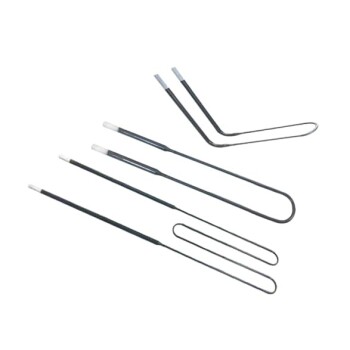
- Molybdenum Disilicide (MoSi2) Thermal Elements Electric Furnace Heating Element
- Molybdenum Vacuum Heat Treat Furnace
- Vacuum Heat Treat and Molybdenum Wire Sintering Furnace for Vacuum Sintering
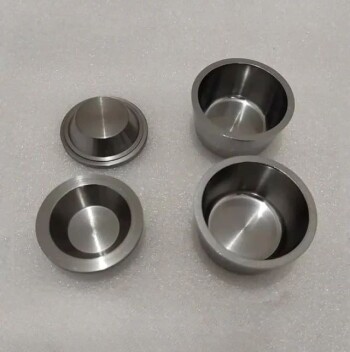
- Electron Beam Evaporation Coating Tungsten Crucible and Molybdenum Crucible for High Temperature Applications
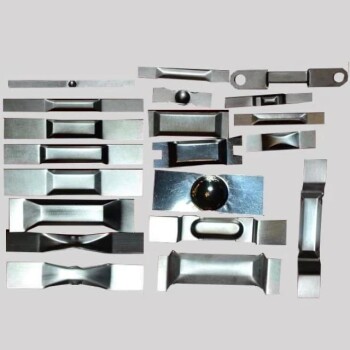
- Molybdenum Tungsten Tantalum Special Shape Evaporation Boat
People Also Ask
- What is the temperature range of molybdenum disilicide heating elements? Choose the Right Grade for Your High-Temp Needs
- What is molybdenum disilicide used for? Powering High-Temperature Furnaces Up to 1800°C
- What is the temperature range of a MoSi2 heating element? Unlock 1900°C Performance for Your Lab
- What is MoSi2 heating element? A High-Temp Solution with Self-Healing Power
- What is the best heating element for a furnace? A Guide to Selecting the Right Material for Your Temperature Needs