Direct heating pyrolysis reactors consistently outperform indirect systems in thermal efficiency. By bypassing intermediate heat transfer mediums, these reactors deliver energy straight to the feedstock using advanced components like high-efficiency concentrators or diathermic windows. This approach eliminates the significant heat loss associated with the complex transfer loops found in indirect heating methods.
Core Takeaway: Direct heating achieves superior thermal efficiency and faster heating rates by removing the barriers of intermediate heat transfer. This makes it the standard for industrial applications requiring precise temperature control and high conversion rates.
The Mechanics of Efficiency
Direct Energy Delivery
Direct heating systems are designed to minimize the distance between the energy source and the material being processed.
They often utilize high-efficiency concentrators or diathermic windows to transmit energy.
This allows heat to reach the feedstock immediately, without heating the reactor walls or carrier gases first.
The Indirect Heating Bottleneck
In contrast, indirect heating relies on complex heat transfer loops.
Energy must pass through heat exchangers or walls before reaching the biomass or waste material.
This multi-stage process creates opportunities for energy to escape, resulting in significant heat loss and lower overall system efficiency.
Operational Advantages of Direct Heating
Superior Heating Rates
Because energy is applied directly, the temperature of the feedstock rises much more rapidly.
This rapid heating is critical for specific pyrolysis reactions where time-to-temperature influences the quality of the bio-oil or char produced.
Precise Temperature Control
Direct heating allows for immediate adjustments to the energy input.
Operators can fine-tune the temperature profile with high accuracy.
This level of precise temperature control is often unattainable in indirect systems due to the thermal lag inherent in heat transfer loops.
Understanding the Trade-offs
Complexity vs. Performance
While indirect systems are common, their design inherently limits their maximum efficiency.
The complexity of heat transfer loops introduces maintenance challenges and inevitable thermal inefficiencies.
The High-Performance Requirement
For basic applications, the inefficiencies of indirect heating may be acceptable.
However, in industrial settings where high conversion rates are mandatory, the energy loss in indirect systems becomes a liability.
Direct heating eliminates this liability, prioritizing output quality and energy utilization.
Making the Right Choice for Your Goal
When selecting a reactor design, the decision largely depends on your specific performance requirements.
- If your primary focus is High Conversion Rates: Choose a direct heating reactor to maximize feedstock transformation through rapid, efficient energy delivery.
- If your primary focus is Process Precision: Opt for direct heating to leverage superior temperature control and minimize thermal lag.
- If your primary focus is Energy Conservation: Select direct heating to avoid the significant heat losses caused by the transfer loops in indirect systems.
Ultimately, for industrial applications where efficiency and control are paramount, direct heating is the technically superior choice.
Summary Table:
| Feature | Direct Heating Reactor | Indirect Heating Reactor |
|---|---|---|
| Thermal Efficiency | High (Energy delivered straight to feedstock) | Lower (Losses via heat transfer loops) |
| Heating Rate | Rapid / Immediate | Slower (Limited by thermal lag) |
| Temp. Control | Precise & Responsive | Less accurate due to heat exchangers |
| System Complexity | Minimal (Direct energy delivery) | High (Multi-stage transfer components) |
| Industrial Goal | High conversion & energy conservation | Basic applications with lower output needs |
Maximize Your Lab’s Efficiency with KINTEK’s Advanced Solutions
Don’t let energy loss and thermal lag bottleneck your research. At KINTEK, we specialize in high-performance laboratory equipment designed for precision and power. Whether you need high-temperature tube, vacuum, or atmosphere furnaces for pyrolysis, or high-temperature high-pressure reactors for complex chemical conversions, our solutions deliver the thermal efficiency your projects demand.
From crushing and milling systems to isostatic presses and MPCVD systems, KINTEK provides the comprehensive tools and consumables—like high-purity crucibles and ceramics—necessary to achieve superior conversion rates.
Ready to upgrade your laboratory’s performance? Contact us today to find the perfect heating solution for your industrial or research requirements!
References
- Shivi Garg, Mohd Asif Shah. A novel investigation using thermal modeling and optimization of waste pyrolysis reactor using finite element analysis and response surface methodology. DOI: 10.1038/s41598-023-37793-8
This article is also based on technical information from Kintek Solution Knowledge Base .
Related Products
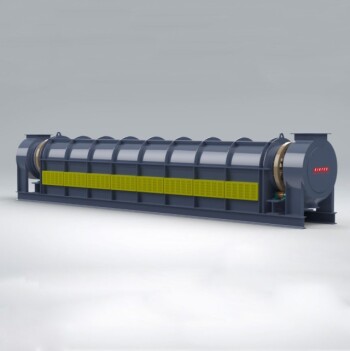
- Electric Rotary Kiln Continuous Working Small Rotary Furnace Heating Pyrolysis Plant
- Electric Rotary Kiln Small Rotary Furnace Biomass Pyrolysis Plant
- Electric Rotary Kiln Pyrolysis Furnace Plant Machine Calciner Small Rotary Kiln Rotating Furnace
- Laboratory Rapid Thermal Processing (RTP) Quartz Tube Furnace
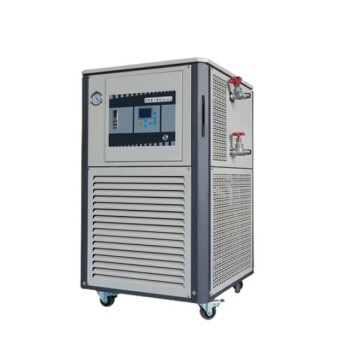
- High Temperature Constant Temperature Heating Circulator Water Bath Chiller Circulator for Reaction Bath
People Also Ask
- What are the characteristics of the slipping, slumping, and rolling modes of bed motion? Optimize Your Rotary Process
- What are the principles of a rotary kiln? Master the Mechanics of High-Temperature Processing
- What are the different types of calciners? A Guide to Selecting the Right Thermal Processing Equipment
- What is the temperature of a rotating kiln? It Depends on Your Material and Process Goal
- How are rotary kilns heated? Direct vs. Indirect Heating Methods Explained