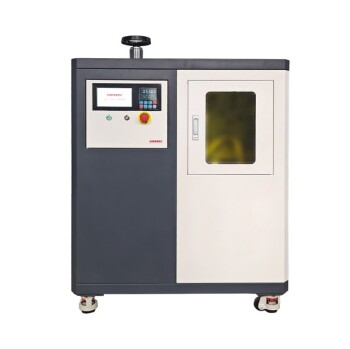
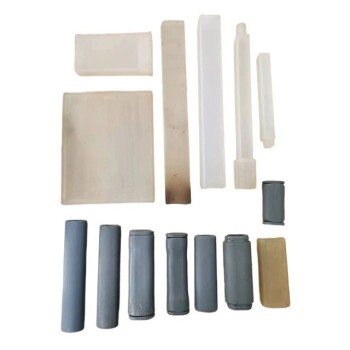
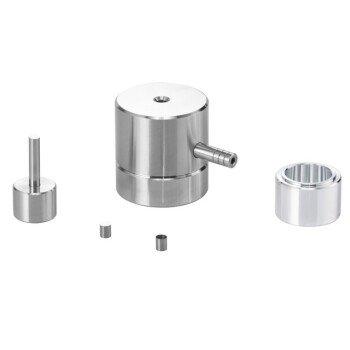
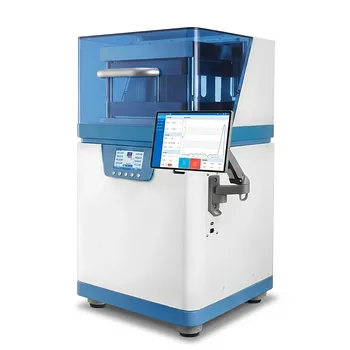
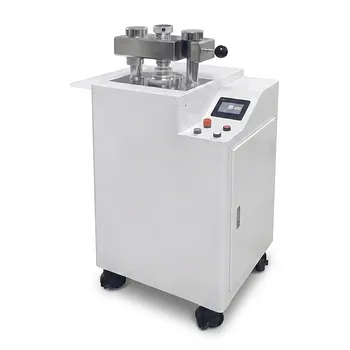
In the fabrication of Gd2O2S:Tb ceramics, Cold Isostatic Pressing (CIP) is employed as a critical secondary densification step to ensure structural homogeneity. While initial dry pressing at 30 MPa provides the basic geometry, the subsequent application of ultra-high isotropic pressure (typically 250 MPa) eliminates internal density gradients and microscopic voids. This process creates a uniform "green body" that can withstand the stresses of high-temperature sintering without cracking or warping.
Core Takeaway: CIP is used to transform a roughly shaped powder compact into a high-density, uniform structure by applying equal pressure from all directions. This eliminates the internal stresses and density variations caused by mechanical friction during initial shaping, which is essential for preventing structural failure during sintering.
Overcoming the Limitations of Uniaxial Pressing
Eliminating Density Gradients
During initial dry pressing, friction between the ceramic powder and the mold walls creates an uneven distribution of pressure. This leads to density gradients, where some regions of the green body are more compact than others.
The Role of Isotropic Pressure
CIP utilizes a fluid medium to transmit pressure equally across every surface of the sealed green body. This omnidirectional force compresses the material uniformly, effectively neutralizing the "dead zones" and internal stresses inherent in unidirectional mechanical pressing.
Removing Internal Micro-Voids
The ultra-high pressures used in CIP (often reaching 250 MPa) force the Gd2O2S:Tb particles into a much tighter mechanical bond. This drastically reduces the size and number of internal pores and voids that dry pressing alone cannot eliminate.
Ensuring Stability During Sintering
Preventing Anisotropic Shrinkage
If a green body has non-uniform density, it will experience anisotropic shrinkage, meaning different sections contract at different rates during heating. CIP ensures uniform density, which allows the ceramic to shrink predictably and maintain its intended shape without warping.
Mitigating Sintering Cracks
Internal stresses and density variations are the primary causes of cracking during the high-temperature sintering process (which can exceed 1600°C). By creating a homogenous green body, CIP provides the physical foundation necessary to prevent these stresses from fracturing the ceramic as it densifies.
Achieving High Relative Density
The superior particle packing achieved through CIP allows the final sintered ceramic to reach a relative density exceeding 95%. This level of densification is vital for optimizing the mechanical quality and electrical breakdown strength of the Gd2O2S:Tb material.
Understanding the Trade-offs
Process Complexity and Cost
Integrating CIP into the workflow adds a specialized processing step that requires expensive high-pressure equipment and flexible molds. While it increases production time and cost, it is often the only way to produce high-performance ceramics free of structural defects.
The Necessity of Pre-Shaping
CIP is not a precision shaping tool; it requires the powder to be pre-compacted into a stable form. This is why the initial 30 MPa dry pressing remains necessary—it establishes the "net shape" that the CIP process then refines and densifies.
Applying This Process to Your Project
Recommendations Based on Production Goals
- If your primary focus is structural integrity: Always utilize CIP after dry pressing to eliminate the internal stress gradients that lead to micro-cracking.
- If your primary focus is achieving maximum density: Use the highest pressure possible within the CIP equipment's limits (e.g., 250–300 MPa) to minimize initial porosity before sintering.
- If your primary focus is geometric precision: Ensure the initial dry pressing stage is consistent, as CIP will shrink the green body uniformly but cannot correct a poorly shaped initial mold.
By neutralizing the physical limitations of mechanical pressing, Cold Isostatic Pressing provides the structural uniformity required for high-performance Gd2O2S:Tb ceramic components.
Summary Table:
| Process Step | Typical Pressure | Primary Function | Impact on Quality |
|---|---|---|---|
| Initial Dry Pressing | ~30 MPa | Establishes basic "net shape" | Provides geometry but creates density gradients |
| Cold Isostatic Pressing | ~250 MPa | Secondary densification | Eliminates voids and internal stresses |
| Sintering (>1600°C) | Atmospheric/Vacuum | Final densification | Reaches >95% relative density without cracking |
Elevate Your Ceramic Research with KINTEK Precision
Achieving structural homogeneity in advanced ceramics like Gd2O2S:Tb requires equipment that delivers absolute consistency. KINTEK specializes in high-performance laboratory solutions designed to bridge the gap between initial shaping and final sintering.
Our extensive portfolio includes:
- Hydraulic & Isostatic Presses: Precision pellet, hot, and isostatic presses for defect-free green body fabrication.
- High-Temperature Furnaces: Muffle, tube, and vacuum furnaces capable of exceeding 1600°C for optimal densification.
- Advanced Processing Tools: Crushing, milling, and high-pressure reactors to ensure material purity and performance.
Whether you are a researcher aiming for >95% relative density or a manufacturer reducing anisotropic shrinkage, KINTEK provides the expertise and equipment to ensure your success.
Ready to optimize your molding process? Contact KINTEK today for a customized consultation!
References
- Junlin Wu, Jiang Li. Fabrication and Microstructure of Gd<sub>2</sub>O<sub>2</sub>S:Tb Scintillation Ceramics from Water-bath Synthesized Nano-powders: Influence of H<sub>2</sub>SO<sub>4</sub>/Gd<sub>2</sub>O<sub>3</sub> Molar Ratio. DOI: 10.15541/jim20220542
This article is also based on technical information from Kintek Solution Knowledge Base .
Related Products
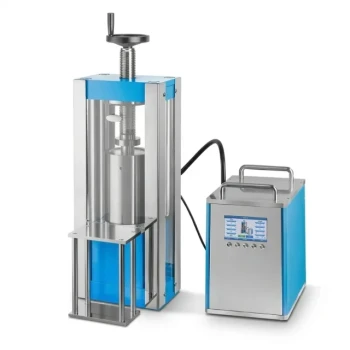
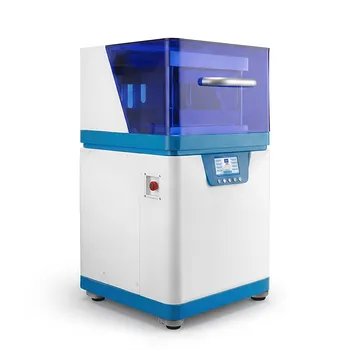
- Electric Split Lab Cold Isostatic Press CIP Machine for Cold Isostatic Pressing
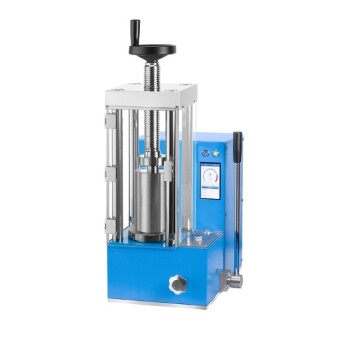
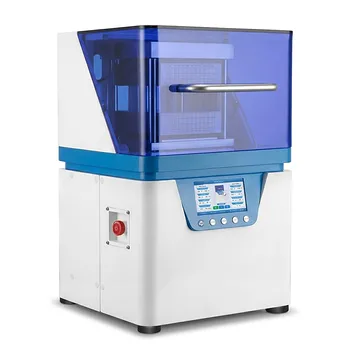
- Electric Lab Cold Isostatic Press CIP Machine for Cold Isostatic Pressing
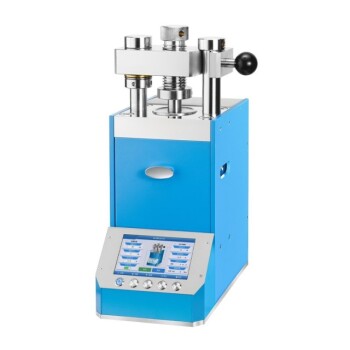
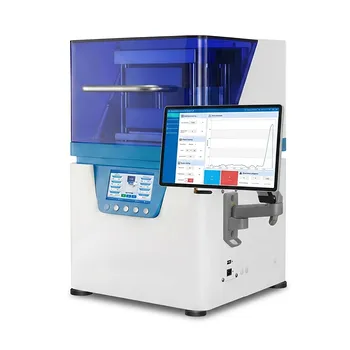
- Automatic Lab Cold Isostatic Press CIP Machine Cold Isostatic Pressing
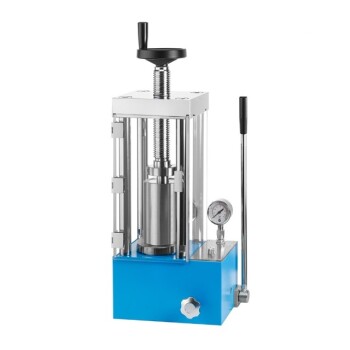
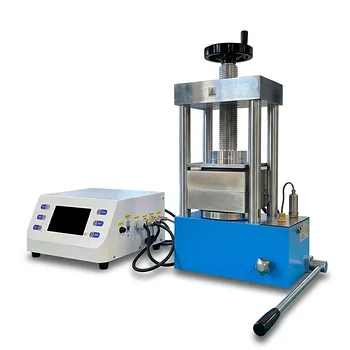
- Manual Cold Isostatic Pressing Machine CIP Pellet Press
- Warm Isostatic Press for Solid State Battery Research
People Also Ask
- How is isostatic pressing equipment utilized to integrate lithium metal anodes during solid-state battery assembly?
- How does isostatic pressing equipment enhance lithium metal anode contact? Optimize Your Solid-State Battery Assembly
- What is the meaning of isostatic pressing? Achieve Uniform Density in Complex Parts
- What is isostatic pressing method for ceramics? Achieve Uniform Density for Complex Parts
- What role does cold isostatic pressing play in the formation of feed rods for single crystal growth? Ensure Stability.