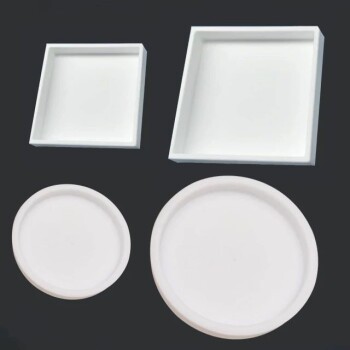
Polytetrafluoroethylene (PTFE) molds are the industry standard for casting composite solid polymer electrolyte membranes due to their unique combination of low surface energy and chemical inertness. These properties allow the polymer solution to spread evenly during casting and ensure the final membrane can be peeled away completely without structural damage.
Core Takeaway: The success of solid-state electrolyte fabrication hinges on the demolding process. PTFE eliminates mechanical stress during peeling, ensuring that even ultra-thin membranes remain self-supporting, uniform, and free of surface defects.
The Critical Role of Surface Chemistry
Low Surface Energy
The defining characteristic of PTFE is its extremely low surface energy. In the context of membrane casting, this creates a "non-stick" interface between the mold and the polymer slurry.
This property prevents the electrolyte material from bonding to the mold as it cures. It creates a physical barrier that dictates how the solution interacts with the substrate.
Chemical Inertness
Composite electrolytes often involve complex chemical slurries, such as PEO-LLZTO or PVDF-LATP mixtures. PTFE is chemically inert, meaning it does not react with the solvents or polymers in these mixtures.
This ensures the purity of the electrolyte is maintained throughout the casting and drying phases. The mold remains a neutral vessel, preventing contamination or chemical degradation of the membrane.
Enhancing Membrane Quality
Ensuring Uniform Spreading
During the solution casting or tape casting process, the liquid slurry must settle into a flat, even layer. PTFE's surface properties facilitate the uniform spreading of the solution across the mold.
This uniformity is vital for electrochemical performance. It ensures the final solid electrolyte has a consistent thickness across its entire surface area.
Defect-Free Peeling
The most fragile stage of fabrication occurs after the solvent evaporates. PTFE allows for the complete, damage-free peeling of the dried membrane.
Because there is zero adhesion, the film lifts off without tearing. This is particularly critical for ultra-thin membranes, which are highly susceptible to mechanical stress during removal.
Risks of Improper Substrate Selection
Adhesion-Induced Tearing
If a mold lacks the low surface energy of PTFE, the polymer is likely to adhere to the substrate. Attempting to remove the membrane often results in adhesion-induced tearing.
This renders the sample unusable. Even microscopic micro-tears caused by adhesion can lead to short circuits or failure in the final battery assembly.
Surface and Thickness Irregularities
High-adhesion substrates do not release the film cleanly. This resistance causes the membrane to stretch or warp during peeling, leading to thickness irregularities.
A membrane with uneven thickness will have inconsistent conductivity. PTFE eliminates this variable, yielding a smooth, self-supporting film every time.
Making the Right Choice for Your Goal
To maximize the quality of your solid polymer electrolyte membranes, apply the following principles:
- If your primary focus is Membrane Integrity: Utilize PTFE to prevent adhesion, ensuring that ultra-thin films can be peeled without tearing or cracking.
- If your primary focus is Electrochemical Consistency: Rely on PTFE’s uniform spreading capabilities to guarantee a flat, defect-free surface with uniform thickness.
By leveraging the non-stick and inert properties of PTFE, you transform a high-risk fabrication step into a predictable, reproducible process.
Summary Table:
| Feature | Advantage for Membrane Casting | Impact on Quality |
|---|---|---|
| Low Surface Energy | Prevents polymer bonding and adhesion | Eliminates tearing during removal |
| Chemical Inertness | No reaction with solvents or slurries | Ensures high purity and no contamination |
| Non-Stick Surface | Facilitates complete, easy peeling | Protects structural integrity of thin films |
| Surface Uniformity | Promotes even liquid spreading | Guarantees consistent membrane thickness |
Elevate Your Material Research with KINTEK Precision Solutions
Precision in the lab starts with high-quality materials. KINTEK specializes in laboratory equipment and consumables designed for high-performance research. From our specialized PTFE products and crucibles that ensure defect-free electrolyte casting to our advanced high-temperature furnaces, hydraulic presses, and battery research tools, we provide the tools you need for reproducible results.
Whether you are developing solid-state batteries or advanced composite materials, our comprehensive range of high-pressure reactors, milling systems, and cooling solutions is engineered to meet your strictest requirements.
Ready to optimize your fabrication process? Contact KINTEK today to find the perfect equipment for your laboratory needs.
Related Products
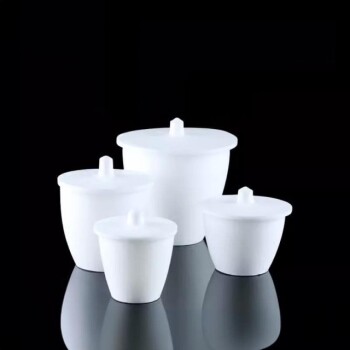
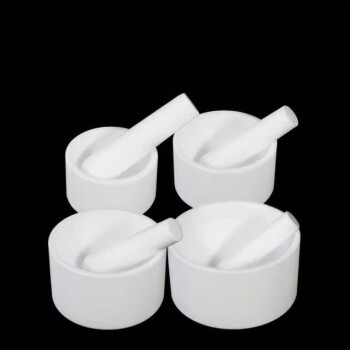
- Custom Machined and Molded PTFE Teflon Parts Manufacturer with PTFE Crucible and Lid
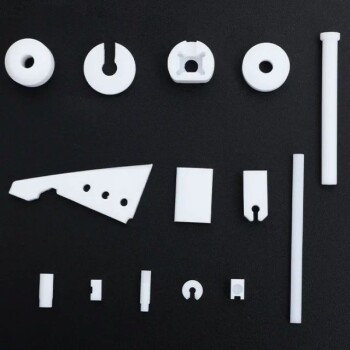
- Custom PTFE Teflon Parts Manufacturer for Non-Standard Insulator Customization
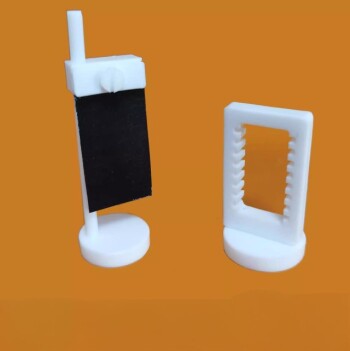
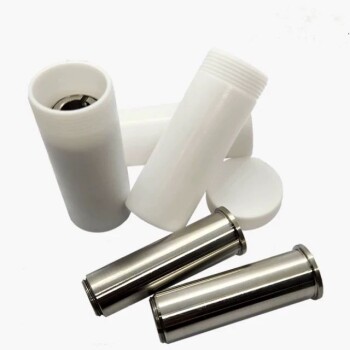
- Custom PTFE Teflon Parts Manufacturer for Hydrothermal Synthesis Reactor Polytetrafluoroethylene Carbon Paper and Carbon Cloth Nano-growth
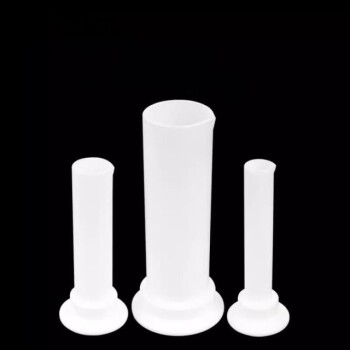
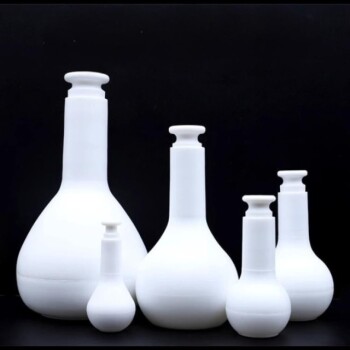
- Custom PTFE Teflon Parts Manufacturer for PTFE Measuring Cylinder 10/50/100ml
- Custom PTFE Teflon Parts Manufacturer Grinding Bowl
People Also Ask
- Why is a PTFE crucible preferred for plasma etching? Ensure Chemical Integrity and Targeted Action
- What essential consumables are required for laboratory processes? Expert Guide to PTFE, Ceramics, and Crucibles
- Why are PTFE molds used for dental resin specimens? Ensure Pure Samples and Accurate Testing
- What are the advantages of using PTFE molds for preparing PUA hybrid films? Ensure High Purity and Easy Demolding
- Why are PTFE or high-quality steel molds recommended for geopolymer specimens? Ensure Data Integrity and Easy Release