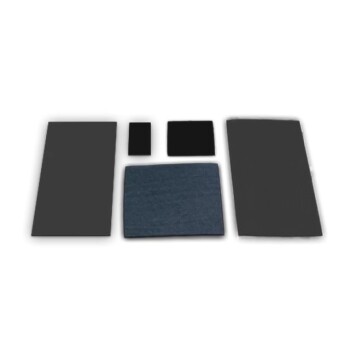
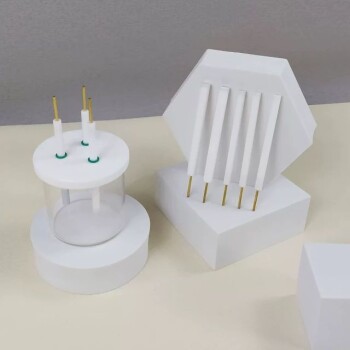
Carbon felt acts as a premier working electrode in Bioelectrochemical Systems (BES) by offering a distinct combination of structural and electrical advantages. Its primary benefit lies in providing an exceptionally high effective surface area combined with excellent electrical conductivity, which is essential for maximizing system performance.
Core Takeaway The effectiveness of carbon felt stems from its ability to bridge the biological and electrical worlds. It solves the dual challenge of maximizing microbial population density while ensuring rapid electron transfer, directly leading to higher degradation efficiency of stubborn pollutants.
The Structural Advantage: Maximizing Microbial Load
High Effective Surface Area
The physical architecture of carbon felt is its most significant asset. It provides an extremely high effective surface area compared to solid, flat electrodes.
Promoting Microbial Adhesion
This vast surface area offers ample space for microbial adhesion. The porous structure acts as a scaffold, allowing distinct colonies to anchor securely.
Optimized Biofilm Growth
Beyond simple adhesion, the material supports the robust growth of biofilms. This allows for a denser population of microorganisms to colonize the electrode, which is critical for system throughput.
Electrochemical Performance and Stability
Facilitating Extracellular Electron Transfer (EET)
Carbon felt possesses excellent electrical conductivity. This property is vital for facilitating extracellular electron transfer between the electroactive microorganisms and the electrode surface.
Ensuring Biocompatibility
The material is inherently biocompatible. It fosters a non-toxic environment that encourages interaction with biological systems rather than inhibiting them.
Long-term Chemical Stability
In harsh reaction environments, carbon felt maintains chemical stability. This ensures the electrode does not degrade or react unpredictably during the treatment process.
Practical Application: Pollutant Degradation
Enhancing Degradation Efficiency
The combination of high biomass and efficient electron transfer significantly enhances bioelectrochemical degradation efficiency. The system can process contaminants more rapidly and thoroughly.
Targeting Recalcitrant Pollutants
This efficiency is particularly valuable for breaking down recalcitrant pollutants. For example, carbon felt has proven effective in the degradation of difficult compounds such as thiabendazole.
Understanding the Operational Dynamics
The Biofilm-Conductivity Nexus
It is important to recognize that the performance of carbon felt relies on the synergy between biology and physics.
Surface Area Utilization
A high surface area is only beneficial if the biofilm actively colonizes it. If the microbial culture is weak, the massive surface area of the felt remains underutilized.
Connectivity is Key
Similarly, the biological layer relies entirely on the felt's conductivity to discharge electrons. If the contact between the biofilm and the carbon fibers is compromised, the metabolic rate of the microbes will bottleneck.
Making the Right Choice for Your Goal
When designing a Bioelectrochemical System, carbon felt serves specific engineering goals:
- If your primary focus is Pollutant Removal: Choose carbon felt to maximize the degradation of recalcitrant chemicals like thiabendazole through enhanced electron transfer.
- If your primary focus is Microbial Density: Utilize carbon felt to provide the maximum possible surface area for biofilm adhesion and growth.
Carbon felt remains the gold standard for applications requiring robust microbial colonization and efficient electron exchange.
Summary Table:
| Feature | Advantage in BES | Impact on Performance |
|---|---|---|
| Effective Surface Area | Extremely high 3D porous structure | Maximizes microbial population and biofilm density |
| Electrical Conductivity | Excellent electron mobility | Facilitates rapid Extracellular Electron Transfer (EET) |
| Material Properties | Biocompatible and chemically stable | Ensures long-term operation in harsh reaction environments |
| Application Focus | Superior degradation of recalcitrant compounds | Higher efficiency in removing pollutants like thiabendazole |
Elevate Your Bioelectrochemical Research with KINTEK
Unlock the full potential of your BES projects with high-performance electrode materials from KINTEK. As a leader in laboratory equipment and consumables, we specialize in providing the precision tools necessary for advanced electrochemical research. From carbon felt and high-quality electrolytic cells to specialized electrodes and battery research tools, KINTEK delivers the reliability your lab demands.
Whether you are focusing on pollutant degradation or microbial fuel cell optimization, our comprehensive portfolio—including high-temperature furnaces, hydraulic presses, and advanced cooling solutions—is designed to support every stage of your workflow.
Ready to optimize your system efficiency? Contact our technical experts today to find the perfect carbon felt and electrochemical solutions for your laboratory's specific needs.
References
- Nesrine Saidi, Habib Chouchane. Enhanced bioelectrochemical degradation of Thiabendazole using biostimulated Tunisian hypersaline sediments: kinetics, efficiency, and microbial community shifts. DOI: 10.3389/fmicb.2024.1529841
This article is also based on technical information from Kintek Solution Knowledge Base .
Related Products
- Conductive Carbon Cloth Carbon Paper Carbon Felt for Electrodes and Batteries
- Glassy Carbon Electrochemical Electrode
- Glassy Carbon Sheet RVC for Electrochemical Experiments
- Platinum Sheet Electrode for Laboratory and Industrial Applications
- Copper Sulfate Reference Electrode for Laboratory Use
People Also Ask
- What are the electrode materials? A Guide to Choosing the Right Conductor for Your Application
- What are the examples of electrode materials? From Platinum to Graphite for Your Application
- How should carbon materials be cleaned before use? Ensure Peak Performance with Proper Prep
- What are carbon cloths used for? Conquer Static Dust on Electronics & Screens
- How can the electrolyte wettability of carbon cloth be enhanced? Unlock Superior Electrochemical Performance