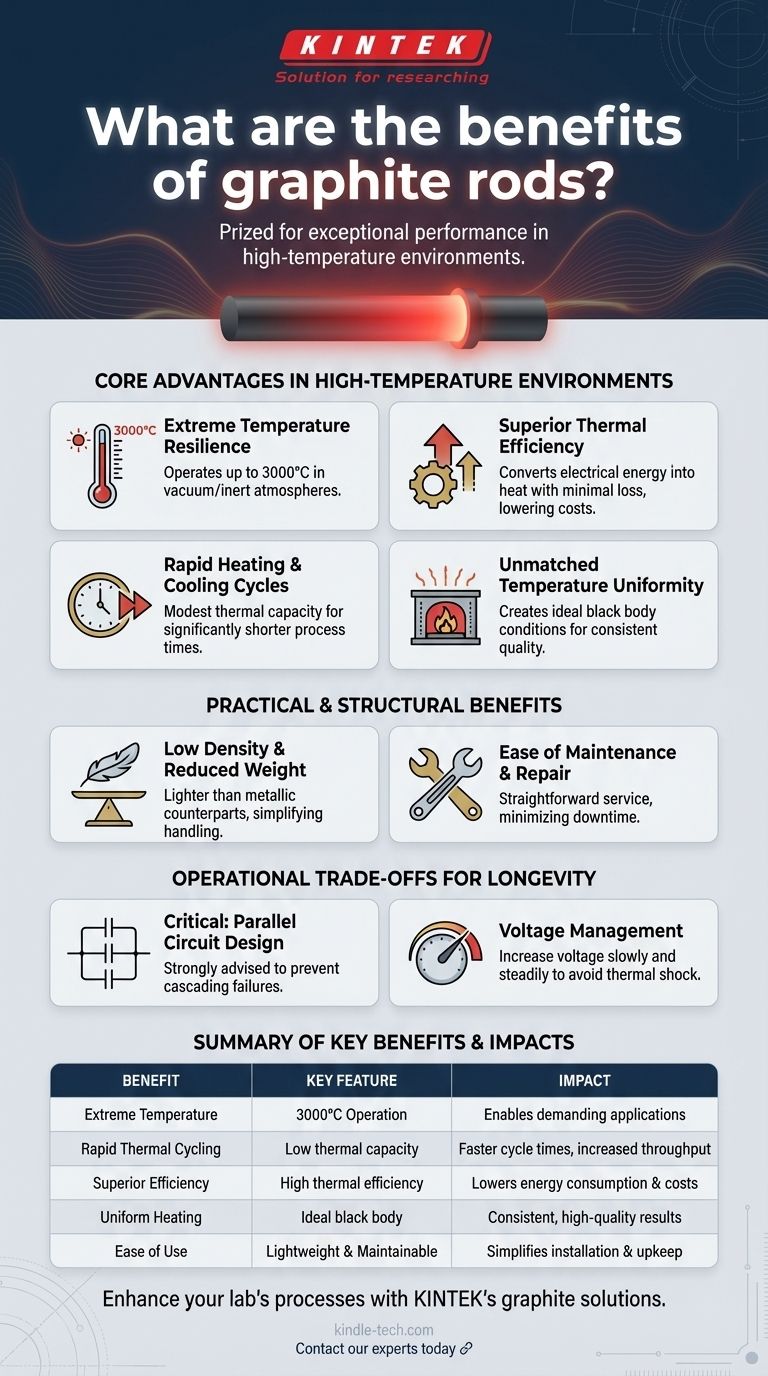
At their core, graphite rods are prized for their exceptional performance in demanding, high-temperature environments. Their primary benefits are an extremely high operating temperature ceiling, outstanding thermal efficiency, and the ability to heat up and cool down very quickly, all while being lightweight and easy to maintain.
The true value of graphite rods lies not in any single benefit, but in their unique combination of extreme heat tolerance and rapid thermal response. This makes them a superior choice for applications demanding high efficiency, speed, and uniform heating.
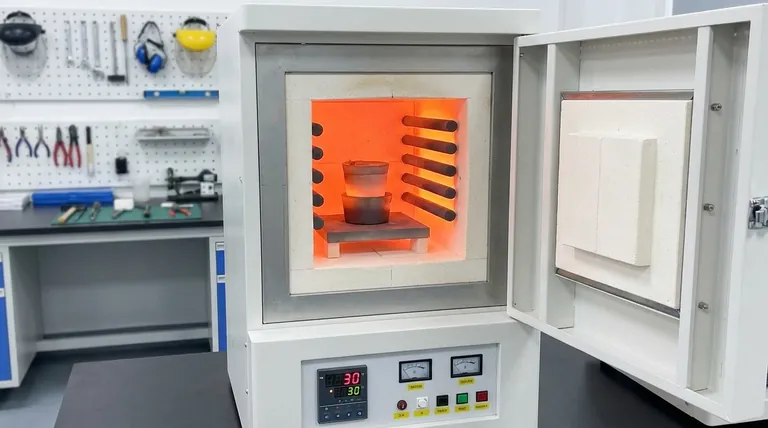
The Core Advantages in High-Temperature Environments
The properties of graphite make it uniquely suited for use as a heating element, particularly in vacuum or inert-gas furnaces. These advantages translate directly into improved process control and efficiency.
Extreme Temperature Resilience
Graphite rods can operate at incredibly high temperatures, reaching up to 3000°C in the proper vacuum or inert atmosphere. This capability far exceeds that of most metallic heating elements, enabling processes that are otherwise unachievable.
Superior Thermal Efficiency
Graphite-based heating zones are highly efficient. They convert electrical energy into heat with minimal loss, which lowers overall energy consumption and reduces operational costs over the life of the equipment.
Rapid Heating and Cooling Cycles
A key benefit is graphite's modest thermal capacity. This means it does not hold a large amount of heat, allowing it to heat up and cool down much faster than denser materials. This results in shorter process cycle times and increased throughput.
Unmatched Temperature Uniformity
Graphite components help create ideal black body conditions within a furnace. This phenomenon ensures that heat is radiated very evenly, leading to high temperature uniformity across the entire hot zone and ensuring consistent quality for the materials being processed.
Practical and Structural Benefits
Beyond its thermal properties, the physical nature of graphite provides significant advantages in equipment design and maintenance.
Low Density and Reduced Weight
Graphite is a low-density material, making the rods significantly lighter than their metallic counterparts. This reduced weight simplifies furnace construction, installation, and handling during maintenance.
Ease of Maintenance and Repair
Graphite components are often designed for straightforward service. Damaged or worn-out rods can typically be repaired or replaced with relative ease, minimizing equipment downtime and long-term maintenance costs.
Understanding the Operational Trade-offs
To realize the full benefits of graphite rods, you must adhere to specific operational principles. Ignoring these can significantly shorten the component's lifespan and compromise performance.
The Critical Role of Circuit Design
It is strongly advised to connect graphite rods in a parallel circuit. If connected in series, the failure or degradation of a single rod can cause a rapid increase in resistance across the remaining elements, leading to overload and premature failure of the entire set.
Voltage Management for Longevity
When powering up the system, voltage should be increased slowly and steadily. A sudden application of high voltage can cause thermal shock and physical stress, drastically reducing the lifespan of the rods. A gradual ramp-up ensures stability and longevity.
Making the Right Choice for Your Application
Selecting the right heating element depends entirely on your primary process goals. Graphite offers a high-performance solution, but it must align with your specific needs.
- If your primary focus is maximum operational temperature: Graphite's ability to reach 3000°C makes it one of the few viable materials for the most extreme heat-treatment processes.
- If your primary focus is process efficiency and throughput: The combination of high thermal efficiency and rapid thermal response allows for significantly faster cycle times and lower energy costs per cycle.
- If your primary focus is long-term reliability: Adhering to proper operational practices, such as using parallel circuits and controlled voltage ramp-ups, is non-negotiable to maximize the lifespan of your investment.
By understanding both its powerful benefits and its operational requirements, you can effectively leverage graphite to achieve superior control and efficiency in your thermal applications.
Summary Table:
| Benefit | Key Feature | Impact on Your Process |
|---|---|---|
| Extreme Temperature | Operates up to 3000°C | Enables the most demanding high-temperature applications. |
| Rapid Thermal Cycling | Low thermal capacity | Significantly reduces process cycle times and increases throughput. |
| Superior Efficiency | High thermal efficiency | Lowers energy consumption and operational costs. |
| Uniform Heating | Creates ideal black body conditions | Ensures consistent, high-quality results across your materials. |
| Ease of Use | Lightweight and easy to maintain | Simplifies installation, handling, and long-term upkeep. |
Ready to enhance your lab's high-temperature processes with the superior performance of graphite heating elements?
KINTEK specializes in high-performance lab equipment and consumables, serving laboratories that demand precision, efficiency, and reliability. Our expertise in thermal solutions ensures you get the right components for your specific application, maximizing throughput and minimizing operational costs.
Contact our experts today to discuss how graphite rods can solve your high-temperature challenges and boost your lab's capabilities.
Visual Guide
Related Products
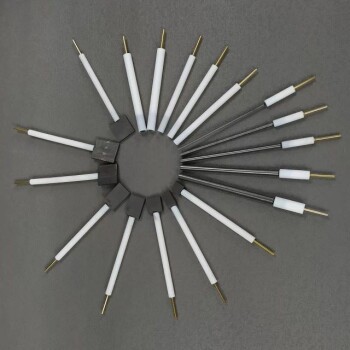
- Graphite Disc Rod and Sheet Electrode Electrochemical Graphite Electrode
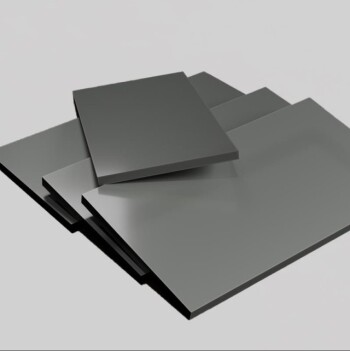
- Carbon Graphite Plate Manufactured by Isostatic Pressing Method
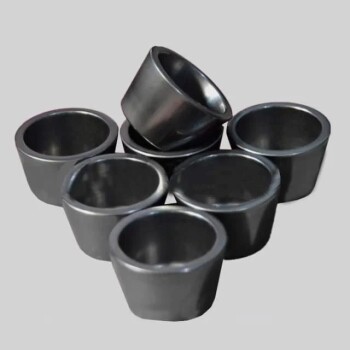
- High Purity Pure Graphite Crucible for Evaporation
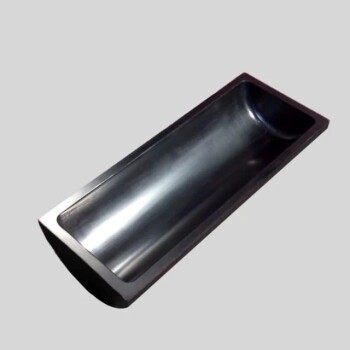
- Carbon Graphite Boat -Laboratory Tube Furnace with Cover
- High Purity Pure Graphite Crucible for Electron Beam Evaporation
People Also Ask
- Why is a graphite electrode used as a counter electrode? Achieve Pure Electrochemical Reduction with KINTEK
- What is the correct procedure for installing and connecting a graphite electrode during an experiment? Ensure Accurate Electrochemical Results
- What are the potential risks when using a graphite electrode in electrochemical tests? Avoid Decomposition and Contamination
- What are the key precautions for handling graphite electrodes? Ensure Safety & Maximize Performance
- Why are Dimensionally Stable Anodes (DSA) preferred for indium electrowinning? Ensure High-Purity Results.