The primary benefit of using chemically inert reaction vessels, such as PTFE-lined autoclaves, is their ability to withstand the aggressive chemical environments required for Graphene Oxide (GO) modification without degrading. By resisting corrosion from strong acids and bases, these vessels ensure that the reaction medium remains free of leached contaminants that could otherwise compromise the material's properties.
Chemical purity is the defining factor in successful GO functionalization. Inert vessels eliminate the risk of vessel-induced contamination, ensuring that functional groups react precisely to maximize interface compatibility with resins.
Preserving Vessel Integrity Under Harsh Conditions
Handling Aggressive Reagents
The covalent modification of Graphene Oxide is rarely a mild process. It frequently involves strong acids, strong bases, or highly active coupling agents to drive the reaction. Standard metal vessels often succumb to chemical corrosion when exposed to these harsh substances.
The Role of PTFE and Ceramic Liners
Chemically inert materials, specifically PTFE (polytetrafluoroethylene) or ceramic liners, provide a necessary defensive barrier. These materials are non-reactive, maintaining their structural integrity even when subjected to the corrosive chemicals essential for functionalization.
Ensuring Chemical Purity and Reaction Efficiency
Preventing Ion Leaching
The most significant technical advantage of inert vessels is the prevention of impurities entering the system. Metal vessels can leach ions from their walls into the solution during synthesis. PTFE and ceramic linings prevent the leaching of metal ions, ensuring the Graphene Oxide remains chemically pure.
Facilitating Accurate Functionalization
Purity is not just about cleanliness; it is about reaction mechanics. Foreign impurities can interfere with sensitive chemical agents used in the process. A contaminant-free environment allows functional groups, such as silane coupling agents or aniline oligomers, to react accurately with the GO surface.
Enhancing Interface Compatibility
The ultimate goal of modification is often to improve how GO interacts with other materials, such as resins. By ensuring the surface modification occurs without interference, inert vessels facilitate a precise chemical structure that significantly enhances interface compatibility.
Understanding the Trade-offs
Thermal Conductivity Limitations
While PTFE is chemically superior, it acts as a thermal insulator. This means that heat transfer in a lined vessel may be slower than in a direct metal vessel, potentially requiring adjustments to heating ramp rates or dwell times.
Temperature and Pressure Ceilings
Inert liners, particularly PTFE, have lower maximum temperature thresholds than stainless steel. It is critical to ensure that your reaction parameters do not exceed the thermal deformation point of the liner, even if the outer autoclave shell can handle the heat.
Making the Right Choice for Your Goal
Selecting the correct vessel configuration is crucial for obtaining high-quality functionalized GO.
- If your primary focus is corrosion resistance: Use PTFE or ceramic liners when your protocol mandates strong acids or bases to prevent damage to expensive autoclave equipment.
- If your primary focus is surface chemistry precision: Prioritize inert vessels to prevent metal ion leaching, ensuring that agents like silane bond exclusively with the GO surface.
By eliminating variables caused by vessel degradation, you secure the reproducibility and performance of your functionalized Graphene Oxide.
Summary Table:
| Feature | PTFE-Lined Vessels | Standard Metal Vessels |
|---|---|---|
| Corrosion Resistance | Excellent (Strong Acids/Bases) | Poor (Subject to Degradation) |
| Chemical Purity | High (No Ion Leaching) | Risk of Metal Contamination |
| Functionalization | Precise Surface Modification | Unpredictable Side Reactions |
| Thermal Conductivity | Low (Insulating) | High (Fast Heat Transfer) |
| Interface Quality | Enhanced Compatibility | Compromised Material Properties |
Elevate Your Material Research with KINTEK Precision
Don’t let vessel contamination compromise your results. KINTEK specializes in advanced laboratory solutions designed for the most demanding chemical environments. Whether you are functionalizing Graphene Oxide or developing high-performance composites, our high-temperature high-pressure reactors and autoclaves—featuring premium PTFE and ceramic liners—ensure the purity and integrity of your synthesis.
From high-temperature furnaces and vacuum systems to specialized hydraulic presses and electrochemical tools, KINTEK provides the comprehensive infrastructure needed for breakthrough material science. Ensure reproducible results and maximize interface compatibility today.
Contact a KINTEK Specialist Now
References
- Shuo Tang, Guozhe Meng. Progress in the Graphene Oxide-Based Composite Coatings for Anticorrosion of Metal Materials. DOI: 10.3390/coatings13061120
This article is also based on technical information from Kintek Solution Knowledge Base .
Related Products
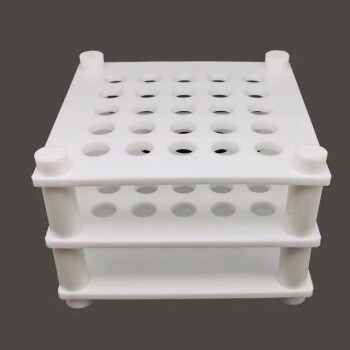
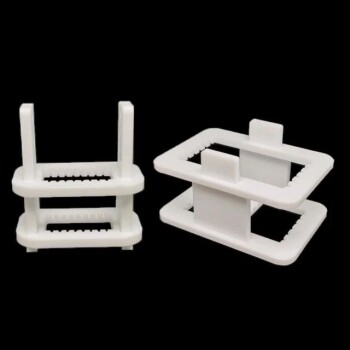
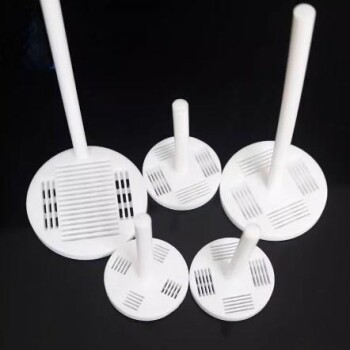
- Custom PTFE Teflon Parts Manufacturer for Centrifuge Tube Racks
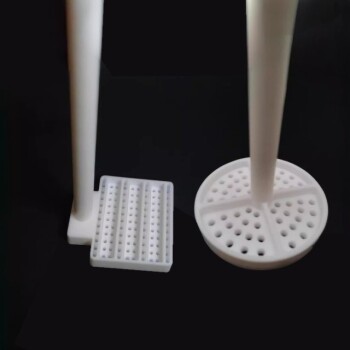
- Custom PTFE Teflon Parts Manufacturer for Hollow Cleaning Basket and Rack Carrier
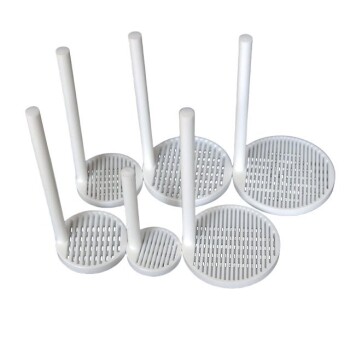
- Custom PTFE Teflon Parts Manufacturer for PTFE Mesh F4 Sieve
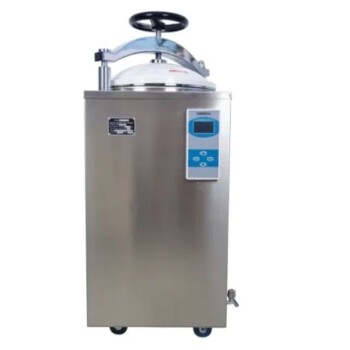
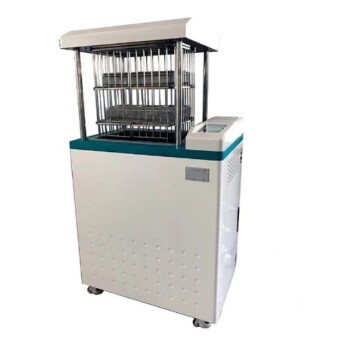
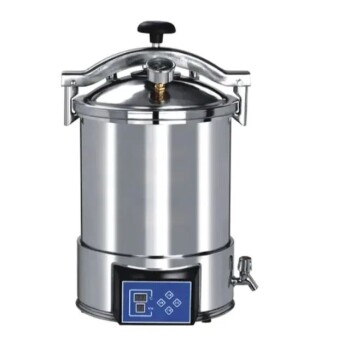
- Laboratory High Pressure Steam Sterilizer Vertical Autoclave for Lab Department
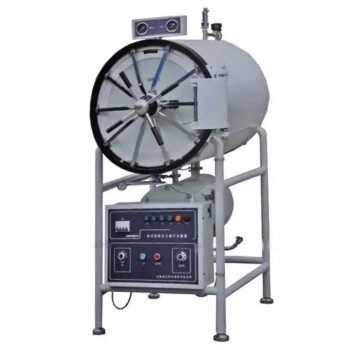
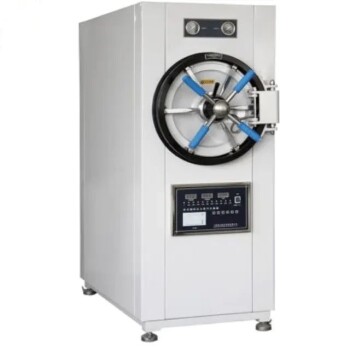
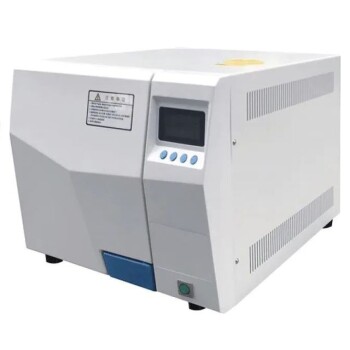
- Laboratory High Pressure Horizontal Autoclave Steam Sterilizer for Lab Use
People Also Ask
- Why is slender PTFE tubing necessary for flow control in multi-channel catalyst aging? Ensure Equal Gas Distribution
- Why are PTFE containers required for PCT leaching tests? Ensure Chemical Inertness and Analytical Precision
- Why are PTFE containers necessary for selective HF etching of MAX phases? Ensure Safe & Pure MXene Synthesis
- What role do PTFE containers play in trace metal detection? Ensure Analytical Precision in Photocatalysis Studies
- Why is a PTFE container required for acid leaching of silicon nanosheets? Ensure High Purity and Safety