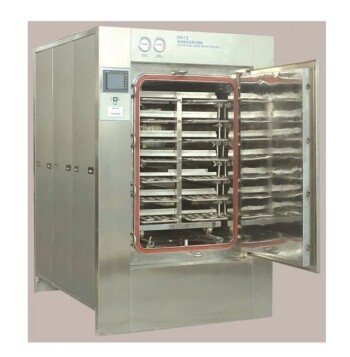
Understanding the composition of your autoclave load is the first step toward ensuring effective sterilization and safety compliance. In microbiological and biomedical laboratories (MBL), waste decontamination loads almost exclusively fall into five distinct categories: protective garments, liquid culture media and fluids, solid laboratory waste (like agar), dry disposables including sharps, and infected animal carcasses.
Core Takeaway Effective decontamination relies on strictly categorizing waste, as different materials—from liquids to fabrics—require distinct handling to ensure steam penetration and safety. Segregating these five common load types prevents containment failures and ensures total sterilization.
Managing Porous Materials and Fabrics
Heat-Resistant Garments
One of the most common standard loads consists of protective clothing used within the laboratory environment.
These items are typically made of cotton or specific heat-resistant plastic fabrics. Because these materials are porous, they generally allow for easier steam penetration compared to sealed containers.
Decontaminating Fluids and Media
Liquid Culture Media and Body Fluids
A significant portion of laboratory waste involves liquids that pose biological risks.
This category encompasses liquid culture media containing bacteria, as well as cell lines that may or may not contain viruses. It also includes body fluids stored in containers. Proper containment is critical here to prevent spillage during the sterilization cycle.
Solid Media Waste
Distinct from pure liquids, this category covers semi-solid laboratory waste.
The most prevalent example in this group is solid media, such as agar petri dishes. These loads present unique challenges as the media may liquefy under heat before re-solidifying, requiring careful handling to avoid leaks.
Processing High-Risk and Dry Waste
Disposables and Sharps
This category includes a broad range of dry goods that are essential to daily lab operations but dangerous if mishandled.
It covers general disposables, as well as sharps (needles, scalpels) and other dry goods. These items are typically processed in boxes or bags designed to withstand the autoclave environment while containing physical hazards.
Infected Biological Specimens
The final, and often most bio-hazardous category, involves biological tissue from research subjects.
This specifically refers to infected animal carcasses. Due to the high biological burden and physical nature of this waste, strict containment is required, utilizing either bags or specialized containers to prevent contamination of the autoclave chamber.
Understanding the Trade-offs
The Risk of Mixed Loads
While it may be tempting to combine categories to save time, mixing these load types can compromise safety.
For example, processing dry goods alongside liquid media can lead to issues where liquids boil over, damaging dry packaging or preventing steam from reaching the dry items effectively.
Containment vs. Steam Penetration
There is an inherent tension between containing waste and allowing steam to do its work.
Animal carcasses and sharps require robust containment (boxes or thick bags) for safety. However, these same containers can act as barriers to steam. Operators must ensure that the containment method chosen for these specific categories allows for adequate temperature exposure without breaching safety protocols.
Making the Right Choice for Your Goal
To optimize your decontamination process, prioritize segregation based on the specific hazard profile of the waste.
- If your primary focus is liquid containment: Isolate liquid culture media and body fluids in appropriate containers to prevent cross-contamination or damage to dry goods.
- If your primary focus is physical safety: Ensure disposables and sharps are boxed separately from soft waste to prevent puncture of bags or injury during transfer.
- If your primary focus is biological tissue management: strict segregation of infected animal carcasses in bags or containers is required to manage the high bio-burden effectively.
By respecting these five categories, you ensure that every cycle yields a safely decontaminated result.
Summary Table:
| Load Category | Examples | Containment Type | Sterilization Challenge |
|---|---|---|---|
| Porous/Fabrics | Cotton garments, heat-resistant plastics | Open or loose bags | Steam penetration through fibers |
| Liquids/Media | Bacterial cultures, body fluids | Sealed or vented containers | Preventing spillages and boil-over |
| Solid Media | Agar petri dishes | Specialized leak-proof bins | Liquefication during heating process |
| Dry Disposables | Sharps, needles, scalpels, pipettes | Puncture-resistant boxes/bags | Containment of physical hazards |
| Biological Specimens | Infected animal carcasses | High-integrity biohazard bags | High bio-burden and tissue density |
Maximize Laboratory Safety with KINTEK Solutions
Ensure your microbiological and biomedical laboratory remains compliant and hazard-free with KINTEK’s premium sterilization technology. Whether you are managing complex high-temperature high-pressure reactors and autoclaves, processing sensitive liquid culture media, or disposing of infected biological specimens, we provide the precision tools you need for total decontamination.
From high-performance autoclaves to essential consumables like PTFE products, ceramics, and crucibles, KINTEK specializes in laboratory equipment designed for the most demanding research environments. Don't compromise on safety or efficiency—let our experts help you select the right configuration for your specific waste categories.
Ready to upgrade your sterilization workflow? Contact KINTEK Today to Consult with Our Experts
Related Products
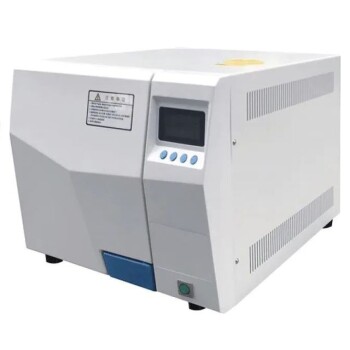
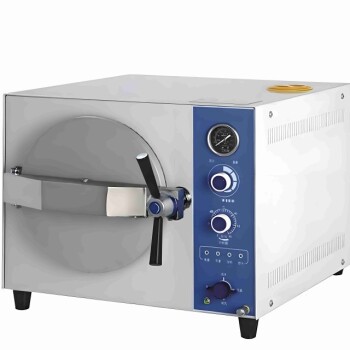
- Desktop Fast High Pressure Laboratory Autoclave Sterilizer 16L 24L for Lab Use
- Desktop Fast Laboratory Autoclave Sterilizer 35L 50L 90L for Lab Use
- Desktop Fast Laboratory Autoclave Sterilizer 20L 24L for Lab Use
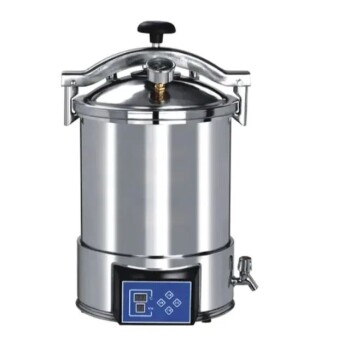
- Portable High Pressure Laboratory Autoclave Steam Sterilizer for Lab Use
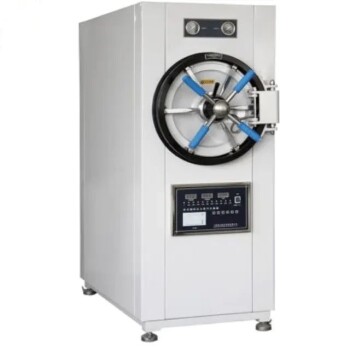
- Laboratory High Pressure Horizontal Autoclave Steam Sterilizer for Lab Use
People Also Ask
- Why is a laboratory high-pressure autoclave sterilizer necessary? Ensure Accuracy in Antibacterial Research
- What is the role of a laboratory high-pressure autoclave in the conversion of furfural to piperidine? Optimize Yields
- What function does a high-pressure laboratory autoclave serve in walnut shell pretreatment? Enhance Biomass Reactivity.
- How does a laboratory high-pressure autoclave function to control Mn3O4 morphology? Precision Particle Engineering
- Autoclave's Role in PAA & MA Nanosheet Assembly? Driving High-Pressure Solvothermal Chemical Integration