Electrolytic cells are the fundamental technology behind modern metallurgy and chemical synthesis, primarily serving three critical industrial functions: the extraction and purification of non-ferrous metals, the application of protective metallic coatings (electroplating), and the large-scale decomposition of chemical compounds. These cells function by using electrical energy to drive non-spontaneous chemical reactions, allowing industries to create materials that would be impossible or inefficient to produce chemically.
The core value of an electrolytic cell lies in its ability to force a specific chemical reaction to occur using direct current. This technology is the industry standard for producing high-purity metals and creating industrial gases like hydrogen.
1. Metal Production and Refining
The most significant commercial application of electrolytic cells is in the processing of non-ferrous metals. This sector relies on two distinct but related processes: electrowinning and electrorefining.
Electrowinning and Electrorefining
Electrowinning is used to extract metals from their ores. Electrorefining is used to purify metals that have already been extracted but contain impurities.
These processes are the standard method for producing the vast majority of the world's high-purity aluminum, copper, zinc, and lead. Without electrolytic processing, achieving the purity levels required for electrical wiring (copper) or aerospace components (aluminum) would be commercially unviable.
Achieving High Purity
In these cells, the impure metal usually acts as the anode, while pure metal deposits onto the cathode.
This mechanism ensures that impurities are left behind in the solution or sludge, resulting in a final product of exceptional quality suitable for demanding industrial applications.
2. Electroplating Applications
Beyond producing raw materials, electrolytic cells are ubiquitous in manufacturing for surface finishing.
Protective and Decorative Coatings
Electroplating uses electrolytic cells to deposit a thin layer of one metal onto the surface of another.
Common industrial applications include plating with silver, nickel, chromium, and copper.
The Purpose of Plating
The primary goal is often corrosion resistance, such as chrome plating on automotive parts to prevent rust.
It is also used for aesthetic purposes (jewelry) or to improve conductivity in electronic components by plating contacts with gold or silver.
3. Decomposition of Chemical Compounds
Electrolytic cells are uniquely capable of breaking down stable chemical compounds into their constituent elements.
Hydrogen and Oxygen Production
A major application is the decomposition of water into hydrogen and oxygen gas.
As the demand for green energy carriers grows, the role of electrolytic cells in producing clean hydrogen fuel from water is becoming increasingly critical.
The Chlor-Alkali Process
Electrolytic cells are also used to process brine (fused sodium chloride or saltwater).
This process yields essential industrial chemicals, specifically caustic soda (sodium hydroxide), chlorine, and metallic sodium, which are foundational ingredients for the chemical manufacturing sector.
Understanding the Trade-offs
While electrolytic cells are indispensable, they come with specific operational requirements and limitations that must be managed.
High Energy Consumption
Electrolysis is an energy-intensive process. Producing metals like aluminum requires massive amounts of electricity, making the cost and availability of power a primary constraint.
Requirement for DC Power
These cells operate strictly on Direct Current (DC). Industrial facilities must invest in heavy-duty rectifiers to convert grid Alternating Current (AC) into the stable DC required for the process.
Making the Right Choice for Your Goal
The specific application of electrolytic technology depends entirely on whether you are extracting raw materials or finishing a product.
- If your primary focus is obtaining pure raw materials: You require electrowinning or electrorefining cells, specifically designed for non-ferrous metals like copper or aluminum.
- If your primary focus is surface protection or aesthetics: You should utilize electroplating cells to deposit durable layers of chromium, nickel, or silver.
- If your primary focus is fuel or chemical feedstock: You need cells designed for decomposition, such as water electrolysis for hydrogen or brine electrolysis for caustic soda.
Electrolytic cells remain the most efficient method for converting electrical energy into precise chemical outcomes, bridging the gap between raw energy and high-value industrial materials.
Summary Table:
| Application Category | Primary Industrial Function | Common Materials/Products |
|---|---|---|
| Metal Production | Electrowinning & Electrorefining | High-purity Aluminum, Copper, Zinc, Lead |
| Surface Finishing | Electroplating (Corrosion/Aesthetic) | Chromium, Nickel, Silver, Gold plating |
| Chemical Synthesis | Decomposition of Compounds | Hydrogen gas, Oxygen gas, Caustic Soda, Chlorine |
| Electronics | Improving Conductivity | Gold/Silver plated contacts and components |
Elevate Your Laboratory Precision with KINTEK
Unlock superior results in your chemical and metallurgical research with KINTEK’s specialized laboratory solutions. Whether you are advancing green energy through water electrolysis or refining high-purity metals, our comprehensive portfolio is designed to meet the most demanding scientific standards.
Our Expertise Includes:
- Electrochemical Research: High-performance electrolytic cells and precision electrodes.
- Material Processing: Advanced high-temperature furnaces (muffle, vacuum, CVD) and high-pressure reactors.
- Sample Preparation: Precision crushing, milling, and hydraulic pellet presses.
- Lab Essentials: Durable PTFE products, ceramics, and crucibles for harsh environments.
From battery research tools to cooling solutions like ULT freezers, KINTEK empowers target customers in industry and academia to achieve peak efficiency and accuracy.
Ready to optimize your workflow? Contact KINTEK today for expert guidance and tailored equipment solutions!
Related Products
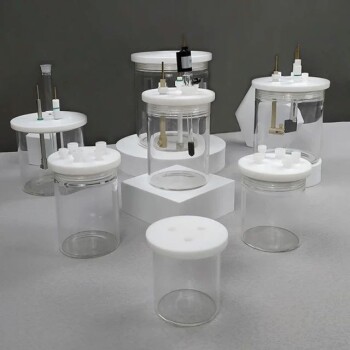
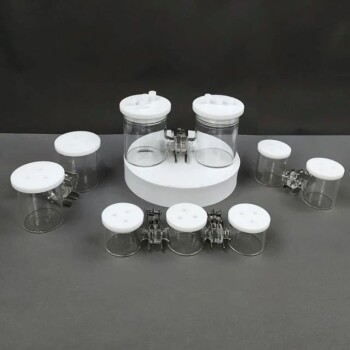
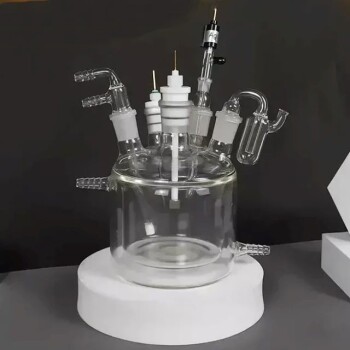
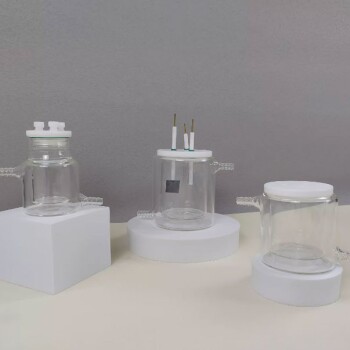
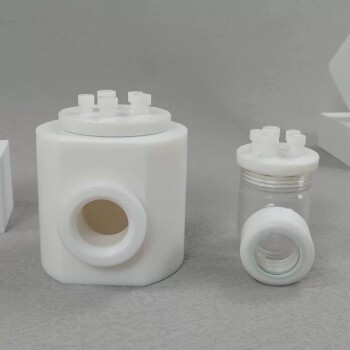
- PTFE Electrolytic Cell Electrochemical Cell Corrosion-Resistant Sealed and Non-Sealed
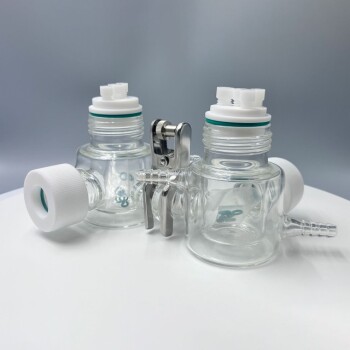
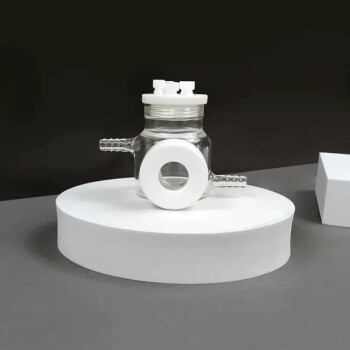
- Super Sealed Electrolytic Electrochemical Cell
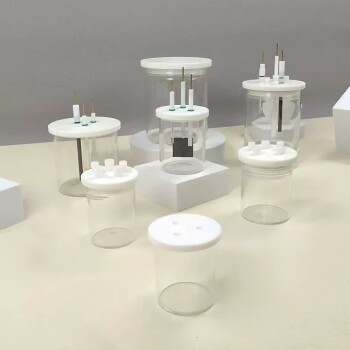
- Electrolytic Electrochemical Cell with Five-Port
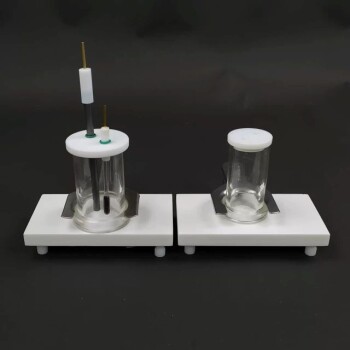
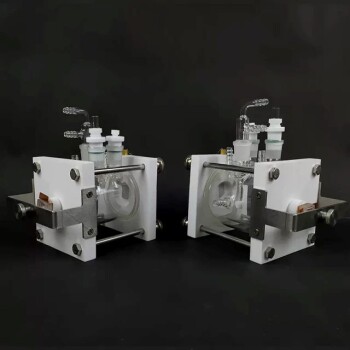
- H Type Electrolytic Cell Triple Electrochemical Cell
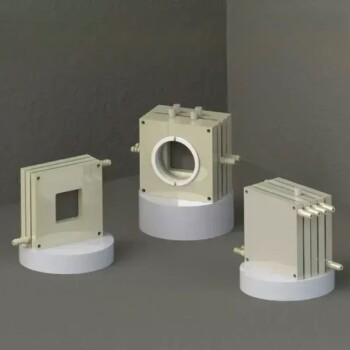
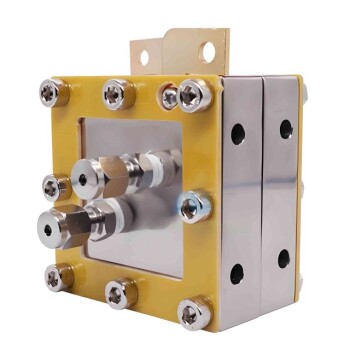
- Electrolytic Electrochemical Cell Gas Diffusion Liquid Flow Reaction Cell
People Also Ask
- What is the necessity of selecting a PTFE electrolytic cell? Ensure Precise Graphene Corrosion Testing Accuracy
- What is the proper method for cleaning the surface of an all-PTFE electrolytic cell? Ensure Accurate Results with a Pristine Surface
- How should an all-PTFE electrolytic cell be stored after use? Expert Maintenance Tips for Long-Lasting Performance
- What is the proper cleaning method for an all-PTFE electrolytic cell? Essential Tips for Surface Integrity
- What are the standard opening specifications for all-PTFE electrolytic cells? A Guide to Sealed vs. Non-Sealed Ports