Aluminium is defined by a unique combination of high reflectivity, low density, and excellent workability. Structurally, it is a soft, lightweight, and durable metal known for being ductile and malleable. In terms of performance, it is non-magnetic and serves as a highly efficient thermal and electrical conductor.
Core Takeaway Aluminium’s utility in coatings is driven by its exceptional ability to manage light and heat. A fresh film reflects approximately 92% of visible light and up to 98% of medium and far-infrared radiation, making it a superior choice for both visual mirrors and thermal insulation.
Optical and Thermal Performance
Visible Light Reflectivity
Aluminium is the standard material for reflective applications. A fresh film of the metal acts as a potent reflector of visible light (approx. 92%).
Because of this high optical efficiency, it is the material most commonly used to back mirrors.
Infrared Radiation Management
The metal's performance extends beyond the visible spectrum. It is an excellent reflector of medium and far-infrared radiation, achieving reflection rates of up to 98%.
This property makes aluminium coatings critical for thermal management applications where blocking radiant heat is a priority.
Physical and Electrical Characteristics
Conductivity Relative to Weight
Aluminium is a strong thermal and electrical conductor. It offers 59% of the conductivity of copper.
However, its primary advantage is density. While less conductive than copper, aluminium possesses only 30% of copper's density, making it far more efficient for weight-sensitive applications.
Ductility and Durability
The metal is physically soft, ductile, and malleable. This allows it to be stretched or flattened into thin coatings without breaking.
Despite this softness, it remains durable, ensuring the integrity of the coating over time.
Magnetic Properties
Aluminium is non-magnetic. This allows it to be used in coatings for electronic housing or instrumentation where magnetic interference would be detrimental.
Understanding the Trade-offs
Softness and Abrasion
While malleability makes aluminium easy to apply, its inherent softness is a limiting factor.
Coatings may be more susceptible to physical scratching or marring compared to harder, denser metals.
Surface Condition Dependency
The high reflectivity figures (92% visible, 98% IR) rely on the quality of the film.
The primary data specifies a "fresh film," implying that the surface must remain clean and unoxidized to maintain peak optical performance.
Making the Right Choice for Your Application
To maximize the value of an aluminium coating, align your selection with the specific physical property required by your project.
- If your primary focus is thermal control or optics: Rely on aluminium for its ability to reflect nearly all infrared radiation and the vast majority of visible light.
- If your primary focus is weight-efficient electronics: Leverage aluminium to achieve significant electrical conductivity at less than one-third the weight of copper alternatives.
Aluminium provides a definitive solution for applications requiring high reflectivity and conductivity without the penalty of heavy mass.
Summary Table:
| Property | Metric/Value | Key Benefit for Coatings |
|---|---|---|
| Visible Light Reflectivity | ~92% | Ideal for mirrors and optical surfaces |
| Infrared Reflectivity | Up to 98% | Superior thermal insulation and heat management |
| Electrical Conductivity | 59% of Copper | High efficiency for conductive thin films |
| Density | 30% of Copper | Lightweighting for aerospace and electronics |
| Magnetic Property | Non-magnetic | Prevents interference in sensitive instruments |
| Physical State | Ductile & Malleable | Easy to apply as thin, durable films |
Elevate Your Material Performance with KINTEK
Are you looking to leverage the high reflectivity and thermal efficiency of aluminium for your next project? KINTEK specializes in advanced laboratory equipment and high-performance consumables designed for precision material science.
Whether you require high-temperature furnaces (vacuum, CVD, or atmosphere) for thin-film deposition, crucibles and ceramics for melting, or crushing and milling systems for material preparation, our comprehensive portfolio supports every stage of your research and production.
Our Value to You:
- Precision Engineering: High-spec furnaces and reactors for consistent coating quality.
- Diverse Solutions: From high-pressure autoclaves to PTFE consumables, we provide everything your lab needs.
- Expert Support: Benefit from our deep industry knowledge in battery research, thermal management, and material coatings.
Contact KINTEK today to find the perfect equipment for your coating applications!
Related Products
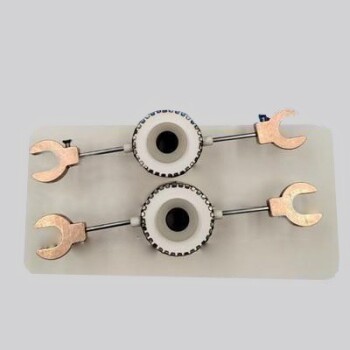
- Aluminized Ceramic Evaporation Boat for Thin Film Deposition
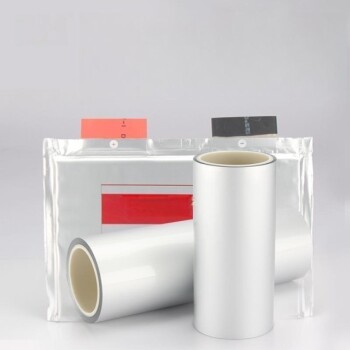
- Aluminum-Plastic Flexible Packaging Film for Lithium Battery Packaging
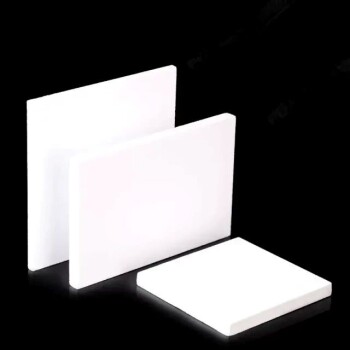
- High Temperature Wear-Resistant Alumina Al2O3 Plate for Engineering Advanced Fine Ceramics
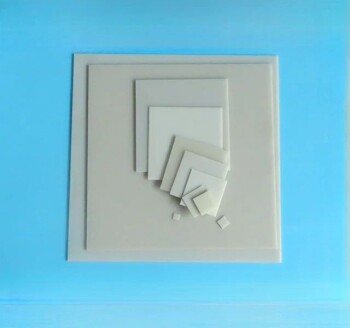
- Advanced Engineering Fine Ceramics Aluminum Nitride (AlN) Ceramic Sheet
- 400-700nm Wavelength Anti Reflective AR Coating Glass
People Also Ask
- What is the source of evaporation for thin film? Choosing Between Thermal and E-Beam Methods
- Why are high-purity ceramic boats used for lignin activation? Ensure Purity & Thermal Stability
- Why is an alumina boat and Ti3AlC2 powder bed necessary for Ti2AlC sintering? Protect MAX Phase Purity
- Why use an alumina boat for high-temperature carbon activation? Ensure Maximum Material Purity & Thermal Stability
- Why is an alumina boat selected for catalyst precursors? Ensure Sample Purity at 1000 °C