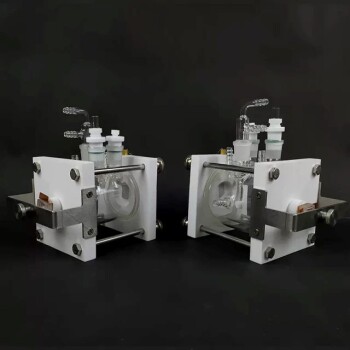
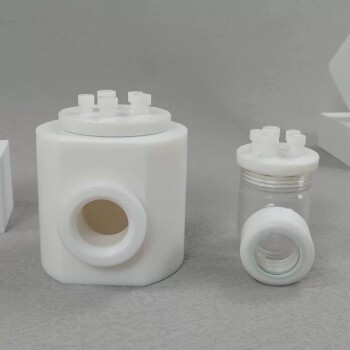
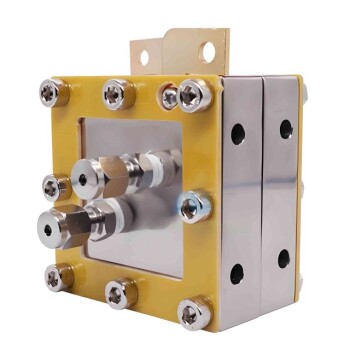
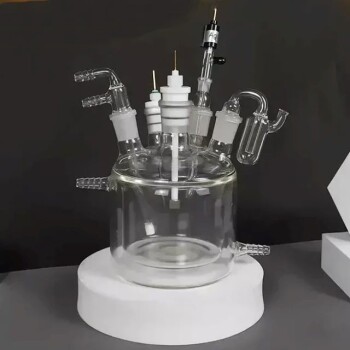
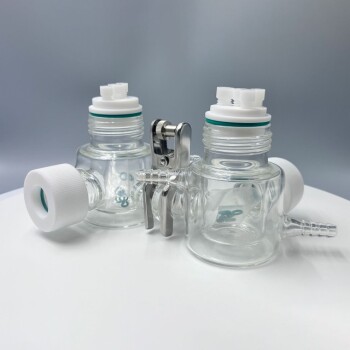
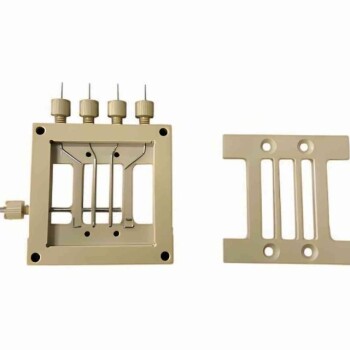
To successfully operate an in-situ Raman electrolytic cell, you must follow a precise sequence of mechanical assembly, electrical connection, and parameter configuration. Begin by installing the three electrodes (working, counter, and reference) into the reaction vessel, ensuring a tight seal and proper spacing. Connect the electrodes to the electrochemical workstation, carefully add electrolyte to submerge the active surfaces without wetting the connection rods, set your voltage scanning parameters, and initiate the experiment while simultaneously recording data and observing physical surface changes.
The reliability of your in-situ Raman data depends on synchronizing electrochemical control with optical observation. Achieving this requires a pristine reaction environment, strict adherence to voltage limits to prevent electrolyte decomposition, and careful management of the electrode-electrolyte interface.
Preparation and Assembly
Pre-Experiment Cleaning
Before assembly, ensure the cell is free of contaminants that could create noise in your Raman spectra. Scrub the inner wall with acetone, followed by a rinse with ethanol. Finish by rinsing with ultrapure water (resistivity ≥ 18.2 MΩ·cm).
Electrode Selection
Select the standard electrode configuration required for this cell type. Use a micro platinum sheet electrode clamp as the working electrode and a platinum wire ring as the counter electrode. Employ an Ag/AgCl electrode as the reference electrode.
Mechanical Installation
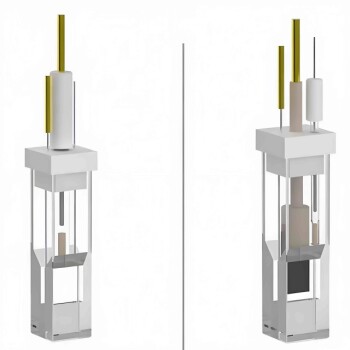
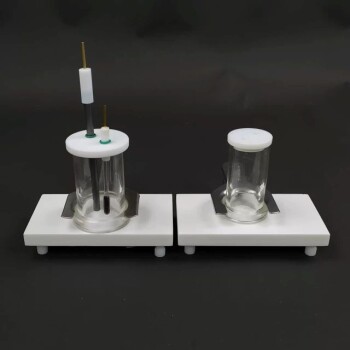
Install the three electrodes into the reaction vessel. You must ensure a tight seal to prevent leaks and maintain a stable environment. Verify that there is appropriate spacing between the electrodes to facilitate proper ion flow without shorting.
Connection and Initialization
Electrical Connections
Connect the electrode wires to the corresponding ports on your electrochemical workstation. Ensure the polarity of the anode and cathode is correct to avoid reverse connections, which can ruin the experiment.
Adding Electrolyte
Add your selected electrolyte to the cell. Fill it until the active areas of the electrodes are fully submerged to ensure conductivity. Crucially, do not let the electrolyte level rise high enough to immerse the electrode rods, as this can cause corrosion or signal interference.
Parameter Configuration
Turn on the electrochemical workstation. Set the desired scanning voltage range and current parameters according to your specific experimental requirements.
Execution and Monitoring
Initiating the Reaction
Start the experiment via the workstation. If you are conducting optical measurements, activate your spectrometer or microscope at this stage according to their specific operating instructions.
Real-Time Observation
Throughout the experiment, closely monitor the physical state of the cell. Look for phenomena on the electrode surface such as bubble generation, deposit formation, or changes in the solution color.
Data Recording
Record all experimental data meticulously. This includes the electrochemical readings from the workstation and the spectroscopic data capturing the reduction of ions or formation of deposition layers.
Common Pitfalls and Safety Protocols
Voltage Management
Avoid applying excessively high voltage. High voltage can lead to unwanted electrolyte decomposition or permanent damage to the electrodes.
Material Compatibility
Be mindful of chemical interactions; never mix incompatible acids and bases, such as HNO₃ and NaOH. When cleaning, avoid using metal brushes, which can scratch the delicate surfaces of the cell or electrodes.
Personal Protective Equipment (PPE)
Always wear protective gloves and safety glasses, especially when handling corrosive electrolytes. Operate the cell within a fume hood to manage any gas generation or fumes safely.
Ensuring Data Integrity and Safety
To maximize the quality of your results and ensure a safe laboratory environment, tailor your approach based on your specific priorities:
- If your primary focus is spectral clarity: Prioritize the pre-experiment cleaning routine (acetone/ethanol/ultrapure water) to eliminate background noise from contaminants.
- If your primary focus is equipment longevity: Ensure the electrode rods remain above the electrolyte line and strictly adhere to voltage limits to prevent electrode damage.
- If your primary focus is reaction stability: Verify the electrode spacing and seal tightness to maintain consistent internal pressure and ion flow.
Meticulous preparation and constant vigilance during the operational phase are the keys to capturing high-fidelity in-situ Raman data.
Summary Table:
| Step | Key Action | Critical Detail |
|---|---|---|
| 1. Preparation | Pre-Cleaning | Rinse with acetone, ethanol, and ultrapure water to remove contaminants. |
| 2. Assembly | Electrode Installation | Use Ag/AgCl reference and platinum counter/working electrodes; ensure tight seals. |
| 3. Connection | Electrical Linkage | Connect to workstation; avoid reverse polarity; submerge only active surfaces. |
| 4. Configuration | Parameter Setup | Define voltage scanning range and current limits to prevent electrolyte decomposition. |
| 5. Execution | Monitoring & Sync | Activate spectrometer and workstation; monitor for bubbles or surface changes. |
Elevate Your Electrochemical Research with KINTEK
Precise results in in-situ Raman spectroscopy demand high-quality, reliable equipment. KINTEK specializes in advanced laboratory solutions, offering a robust portfolio including electrolytic cells, electrodes, and high-performance battery research tools.
Whether you are analyzing surface deposition or ion reduction, our precision-engineered systems ensure stability and data integrity for your most demanding experiments. From high-temperature furnaces to specialized hydraulic presses and PTFE consumables, we provide the complete setup for your research facility.
Ready to optimize your lab's performance?
Contact KINTEK Today for Expert Solutions
Related Products
- Thin-Layer Spectral Electrolysis Electrochemical Cell
- Electrolytic Electrochemical Cell for Coating Evaluation
- Electrolytic Electrochemical Cell with Five-Port
- Electrolytic Electrochemical Cell Gas Diffusion Liquid Flow Reaction Cell
- Flat Corrosion Electrolytic Electrochemical Cell
People Also Ask
- What are the recommended post-experiment procedures for cleaning and storing the thin-layer spectroelectrochemical cell?
- What preparation steps are required before initiating an experiment with the thin-layer spectroelectrochemical cell?
- What operational environments and sealing options are available for the thin-layer spectroelectrochemical cell?
- For what types of systems, temperature ranges, and sealing configurations is the thin-layer spectroelectrochemical cell designed? Ideal for Aqueous and Non-Aqueous Analysis
- What are the necessary preparation steps before using a thin-layer spectroelectrochemical cell? A Guide to Reliable Results