Hydrothermal Carbonization (HTC) creates a distinct technical advantage by utilizing the inherent moisture in spent mushroom substrate rather than fighting against it. Unlike ordinary pyrolysis, which requires dry feedstock, HTC operates within a subcritical water environment at lower temperatures (approximately 180°C) under autogenous pressure to produce biochar with superior surface chemistry and adsorption capabilities.
The core value of HTC lies in its ability to process wet biomass directly while engineering a "hydrochar" that is chemically superior for environmental applications. By bypassing the energy-intensive drying stage, HTC produces a material with a richer pore structure and higher density of functional groups, making it significantly more effective at removing heavy metals like cadmium compared to standard pyrolytic biochar.
Solving the Moisture Challenge
Traditional pyrolysis demands dry biomass, often requiring significant energy expenditure to remove water before processing begins. HTC fundamentally changes this dynamic.
Elimination of Pre-Drying
HTC reactors operate in a liquid-phase environment. This allows for the direct processing of high-moisture spent mushroom substrate without the need for an energy-intensive pre-drying stage.
Subcritical Water Efficiency
The reactor utilizes subcritical water as a reaction medium. This environment facilitates the degradation of biomass components more efficiently than dry thermal degradation, streamlining the conversion process.
Enhancing Chemical Properties
The specific conditions within an HTC reactor—moderate heat combined with high pressure—alter the chemical structure of the resulting biochar (often called hydrochar) in ways that dry pyrolysis cannot replicate.
Development of Surface Functional Groups
The hydrothermal process drives specific reactions, including dehydration and decarboxylation. These reactions result in a hydrochar surface rich in oxygen-containing and aromatic functional groups.
Increased Carbon Preservation
Operating at lower temperatures (around 180°C) compared to the higher temperatures of ordinary pyrolysis helps better preserve the carbon sources within the biomass. This results in dense biochar particles with a unique chemical composition tailored for reactivity.
Optimizing Physical Structure for Adsorption
For applications such as water filtration or soil remediation, the physical architecture of the biochar is critical. HTC provides a more controlled environment for developing these structures.
Superior Pore Structure
The autogenous pressure generated inside the sealed vessel (ranging from 2 to 10 MPa) promotes the formation of a highly developed microporous structure. This creates a larger surface area available for interaction with contaminants.
Targeted Heavy Metal Removal
The combination of a rich pore structure and abundant surface functional groups significantly increases the material's adsorption capacity. HTC-produced biochar is particularly effective at binding heavy metal ions, such as cadmium, outperforming biochar produced via conventional methods.
Understanding the Trade-offs
While HTC offers clear advantages for wet substrates, it involves distinct operational considerations compared to atmospheric pyrolysis.
Pressure Management Requirements
HTC reactors must be robust pressure vessels capable of withstanding autogenous pressures between 2 and 10 MPa. This requires more sophisticated equipment engineering and safety protocols than simple atmospheric kilns.
Process Complexity
The reaction occurs in a sealed, high-pressure aqueous environment. This demands precise control over temperature and pressure to ensure the correct degree of carbonization and polycondensation is achieved.
Making the Right Choice for Your Goal
To decide if an HTC reactor is the correct technical solution for your mushroom substrate, evaluate your end goals against these criteria:
- If your primary focus is Environmental Remediation: Choose HTC for its ability to create biochar with high oxygen-functional groups and porosity, which maximizes the adsorption of heavy metals like cadmium.
- If your primary focus is Energy Efficiency: Choose HTC to eliminate the operational costs and energy consumption associated with drying wet mushroom substrate prior to processing.
- If your primary focus is Fuel Production: Choose HTC to produce a solid fuel with lower activation energy for combustion and improved heating values compared to raw biomass.
By leveraging the physics of subcritical water, HTC turns the high moisture content of mushroom substrate from a processing liability into a chemical engineering asset.
Summary Table:
| Feature | Hydrothermal Carbonization (HTC) | Ordinary Pyrolysis |
|---|---|---|
| Feedstock Requirement | Direct processing of wet biomass | Requires energy-intensive pre-drying |
| Operating Temperature | Moderate (approx. 180°C) | High (typically >400°C) |
| Reaction Medium | Subcritical water (High Pressure) | Inert atmosphere (Atmospheric) |
| Product Surface | Rich in oxygen functional groups | Reduced functional groups |
| Key Application | Heavy metal adsorption (e.g., Cadmium) | General soil amendment & energy |
| Pore Structure | Highly developed microporous structure | Varies by temperature/feedstock |
Elevate Your Research with KINTEK Precision Reactors
Maximize your carbonization efficiency and material performance with KINTEK’s advanced high-temperature high-pressure reactors and autoclaves. Whether you are developing high-adsorption hydrochar or optimizing environmental remediation tools, our laboratory equipment is designed to meet the rigorous demands of subcritical water processing.
Why partner with KINTEK?
- Comprehensive Reactor Solutions: From HTC autoclaves to CVD and vacuum furnaces.
- Precision Engineering: Built to handle pressures from 2 to 10 MPa for superior pore development.
- Complete Lab Support: We provide everything from crushing systems and hydraulic presses to specialized electrolytic cells and ceramics.
Ready to transform your mushroom substrate into high-value biochar? Contact KINTEK today for a customized consultation and let our technical experts help you select the perfect reactor for your application.
References
- Nikolay Lumov, Denitsa Yancheva. Saint George the Zograf Monastery, Mount Athos: pigments, binders and other organic materials identification. DOI: 10.21175/rad.abstr.book.2023.19.24
This article is also based on technical information from Kintek Solution Knowledge Base .
Related Products
- Customizable Laboratory High Temperature High Pressure Reactors for Diverse Scientific Applications
- High Pressure Laboratory Autoclave Reactor for Hydrothermal Synthesis
- Customizable High Pressure Reactors for Advanced Scientific and Industrial Applications
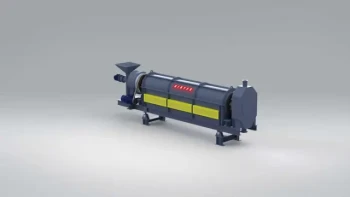
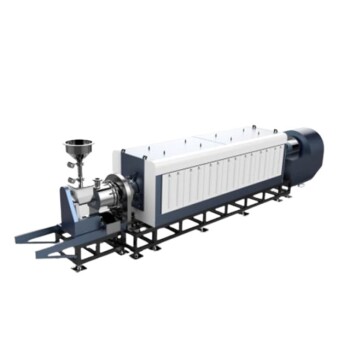
- Electric Rotary Kiln Small Rotary Furnace for Activated Carbon Regeneration
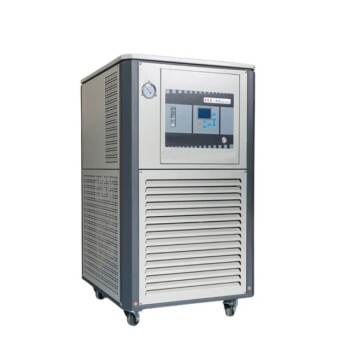
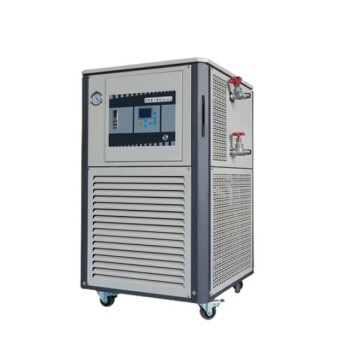
- High Temperature Constant Temperature Heating Circulator Water Bath Chiller Circulator for Reaction Bath
People Also Ask
- How do high-pressure and high-temperature reactors ensure the effective treatment of lignocellulosic wastewater in WAO?
- What equipment is required for high-pressure high-temperature reactions? Master Extreme Chemistry Safely
- How do you control high pressure in a reactor? A Guide to Safe & Stable Operation
- Why is argon better than nitrogen for inert atmosphere? Ensure Absolute Reactivity & Stability
- How does initial oxygen pressure affect the wet oxidation of pharmaceutical sludge? Master Your Oxidation Depth