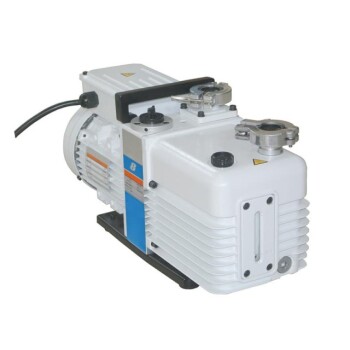
Mechanical vacuum pump sets provide essential environmental isolation by reducing the melting chamber pressure to approximately 1 × 10⁻² mbar. This low-pressure environment drastically minimizes the presence of residual active gases, preventing the zirconium alloy from reacting chemically with the atmosphere during the high-temperature melting process.
Zirconium is highly reactive and prone to embrittlement if exposed to oxygen, nitrogen, or hydrogen at high temperatures. The primary role of the mechanical vacuum pump is to create a controlled environment that removes these specific contaminants, ensuring the final alloy retains its necessary mechanical strength and metallic appearance.
The Chemistry of Contamination
The Reactivity of Zirconium
Zirconium is an exceptional metal, but it possesses a significant vulnerability during processing. At high melting temperatures, it reacts readily with active gases.
Specifically, it creates strong chemical bonds with oxygen, nitrogen, and hydrogen found in the ambient atmosphere.
The Consequence: Embrittlement
The result of this gas absorption is a phenomenon known as material embrittlement.
Instead of remaining ductile and strong, the alloy becomes brittle and prone to fracture. This fundamentally compromises the mechanical properties that make zirconium valuable in the first place.
Aesthetic Indicators
Beyond structural integrity, the environment affects the visual quality of the product.
A proper vacuum ensures the alloy maintains a proper metallic appearance. Discoloration or surface degradation is often the first visual sign that the vacuum protection was insufficient.
The Role of Pressure Reduction
Achieving the Vacuum Threshold
To prevent these reactions, the mechanical vacuum pump set targets a specific pressure range.
The equipment is designed to lower the chamber pressure to approximately 1 × 10⁻² mbar. This is the critical threshold required to protect the melt.
Minimizing Residual Gases
It is impossible to create a "perfect" void, but this specific pressure level minimizes the concentration of residual active gases.
By rarefying the atmosphere to this degree, the number of oxygen, nitrogen, and hydrogen molecules available to react with the zirconium becomes negligible.
Understanding Process Sensitivities
The "All or Nothing" Nature of Vacuum
There is very little margin for error when melting reactive metals like zirconium.
If the mechanical pump set fails to achieve or maintain the 1 × 10⁻² mbar target, protection is lost. Even a slight increase in pressure can introduce enough gas to cause embrittlement.
Gas Selectivity
It is important to note that the system is specifically targeting active gases.
While inert gases (like Argon) are sometimes used in conjunction with vacuum processes, the mechanical pump's primary protective duty here is the physical removal of the reactive triad: Oxygen, Nitrogen, and Hydrogen.
Making the Right Choice for Your Goal
Summary of Application
For the zirconium melting process to be successful, the environmental control provided by the vacuum system must be absolute.
- If your primary focus is Structural Integrity: Ensure your vacuum pump sets are maintained to consistently hold pressure at or below 1 × 10⁻² mbar to prevent hydrogen and nitrogen-induced embrittlement.
- If your primary focus is Surface Quality: Monitor the vacuum levels strictly to minimize oxygen exposure, which ensures the alloy retains its proper metallic appearance.
The mechanical vacuum pump is not just an accessory; it is the primary safeguard against the chemical destruction of the alloy.
Summary Table:
| Environmental Factor | Impact on Zirconium Alloy | Protective Requirement |
|---|---|---|
| Oxygen Exposure | Surface oxidation & discoloration | Vacuum pressure ≤ 1 × 10⁻² mbar |
| Nitrogen/Hydrogen | Material embrittlement & fracture | Removal of active gas molecules |
| High Temperatures | Rapid chemical reactivity | Controlled low-pressure environment |
| Visual Quality | Loss of metallic appearance | Minimal residual active gases |
Elevate Your Melting Process with KINTEK Precision
Don't let contamination compromise your zirconium alloy quality. KINTEK specializes in advanced laboratory solutions, providing high-performance vacuum systems, high-temperature furnaces, and atmosphere-controlled reactors designed to eliminate embrittlement and ensure structural integrity.
Whether you are refining reactive metals or conducting sensitive battery research, our comprehensive range of induction melting systems, vacuum pumps, and high-purity ceramic crucibles offers the reliability your lab demands. Contact KINTEK experts today to discover how our tailored equipment can safeguard your materials and optimize your production outcomes!
References
- Luís Augusto Mendes dos Reis. Recycling and melting process of the zirconium alloy chips. DOI: 10.15392/bjrs.v7i2a.622
This article is also based on technical information from Kintek Solution Knowledge Base .
Related Products
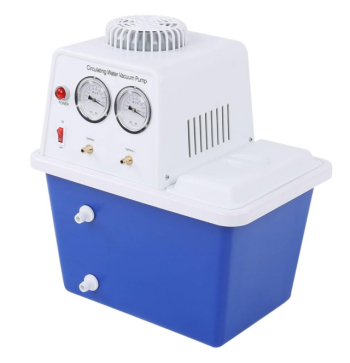
- Circulating Water Vacuum Pump for Laboratory and Industrial Use
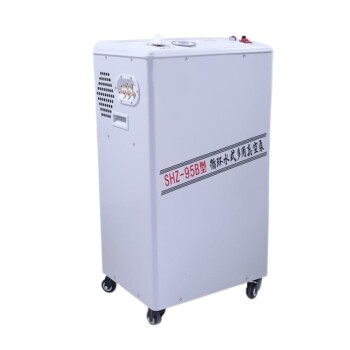
- Laboratory Vertical Water Circulating Vacuum Pump for Lab Use
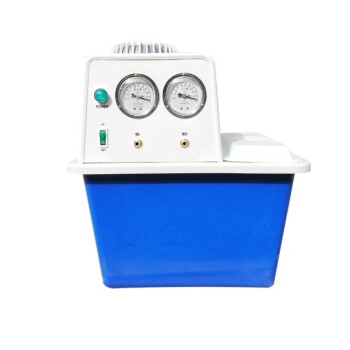
- Laboratory Benchtop Water Circulating Vacuum Pump for Lab Use
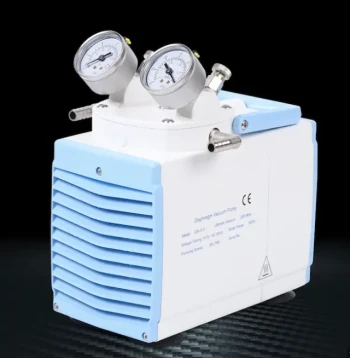
- Oil Free Diaphragm Vacuum Pump for Laboratory and Industrial Use
- Laboratory Rotary Vane Vacuum Pump for Lab Use
People Also Ask
- How is a circulating water vacuum pump utilized for hydrogen production residues? Optimize Your Solid-Liquid Separation
- How does the impeller rotation affect the gas flow in a water circulating vacuum pump? A Guide to the Liquid Ring Principle
- What determines the vacuum degree achievable by a water circulating vacuum pump? Unlock the Physics of Its Limits
- What are the advantages of a water circulating vacuum pump? Superior Durability for Demanding Lab Environments
- How does a water circulating vacuum pump operate? Discover the Efficient Liquid Piston Principle