Knowledge What is an electrode with example? The Bridge for Electrical Energy Conversion
Author avatar

Tech Team · Kintek Solution

Updated 6 days ago

What is an electrode with example? The Bridge for Electrical Energy Conversion


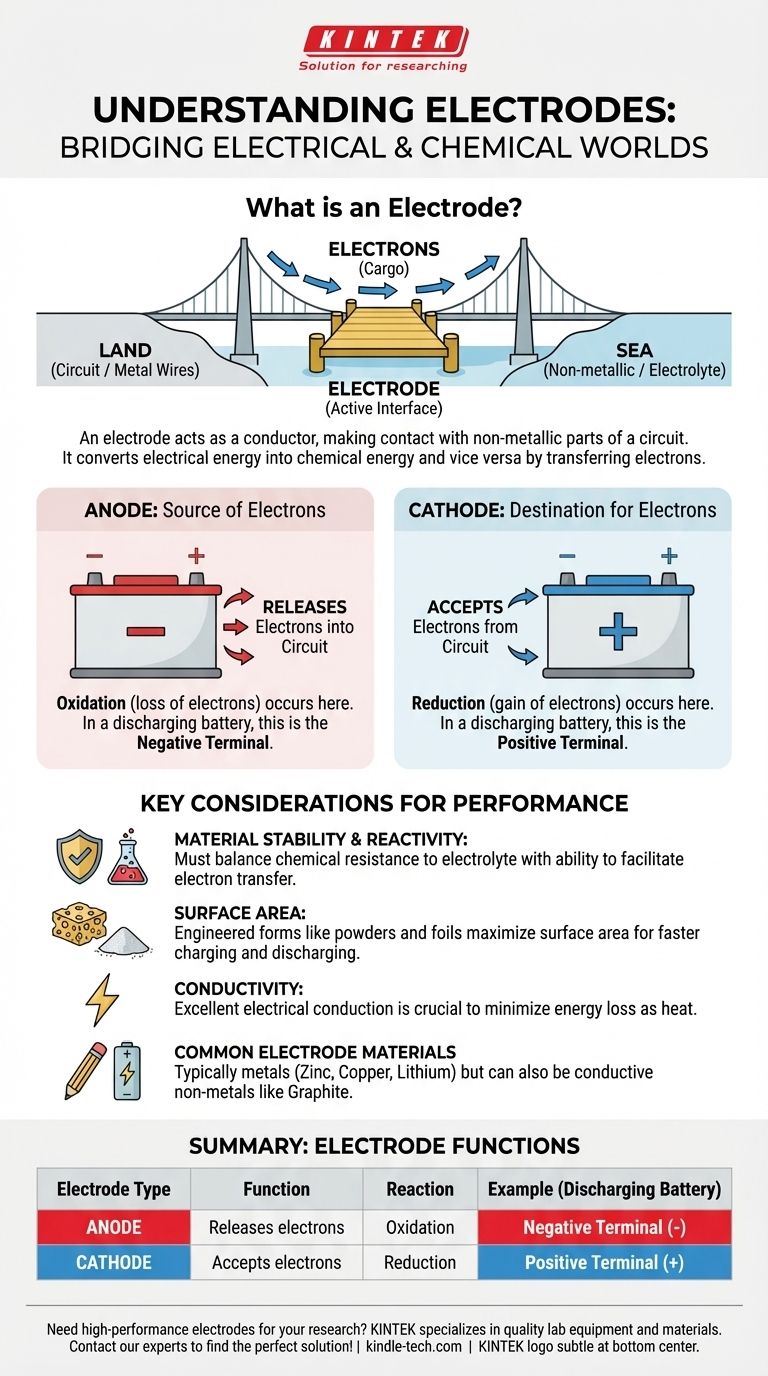
At its core, an electrode is a bridge. It is an electrical conductor used to make contact with a non-metallic part of a circuit, allowing current to flow between them. For example, the positive and negative terminals of any battery are the external connection points for two internal electrodes submerged in a chemical solution.

An electrode's essential job is not just to conduct electricity, but to serve as the physical interface where electrical energy is converted into chemical energy (and vice versa) by either releasing or accepting electrons.

What is an electrode with example? The Bridge for Electrical Energy Conversion

The Fundamental Role of an Electrode

An electrode’s primary function is to solve a fundamental problem: how to get electricity to flow through a material that isn't a simple metal wire.

Bridging Two Worlds

Think of an electrode as a specialized dock. The metal wires in a circuit are the "land," and a non-metallic substance like a liquid electrolyte in a battery is the "sea." The electrode is the dock where electrons (the "cargo") are transferred between the land and the sea.

These non-metallic substances can include electrolytes (in batteries), semiconductors (in transistors), gases (in neon signs), or even a vacuum (in old vacuum tubes).

A Site for Chemical Reactions

In many applications, especially batteries, electrodes are not passive conductors. They are active participants in chemical reactions.

The surface of an electrode is where oxidation (the loss of electrons) or reduction (the gain of electrons) takes place. This controlled chemical reaction is what allows a battery to store and release energy.

Common Electrode Materials

While typically made of metals like zinc, copper, or lithium, electrodes are not exclusively metallic. Any good electrical conductor can serve.

For instance, graphite (a form of carbon) is a very common electrode material used in batteries and industrial electrolysis because it is an excellent conductor and is chemically stable.

Anodes and Cathodes: The Two Key Types

In any system with two electrodes, they are given specific names based on the chemical reaction that occurs on their surface. These labels are crucial for understanding how electrochemical cells work.

The Anode: The Source of Electrons

The anode is defined as the electrode where oxidation occurs. In simple terms, it is the electrode that releases electrons into the circuit.

In a battery that is powering a device (discharging), the anode is the negative terminal.

The Cathode: The Destination for Electrons

The cathode is the electrode where reduction occurs. It is the electrode that accepts electrons coming from the circuit.

In a battery that is discharging, the cathode is the positive terminal.

Understanding the Key Considerations

Choosing an electrode material is a critical design decision that involves balancing several competing factors.

Material Stability and Reactivity

An electrode must be chemically stable enough to survive its environment, which is often a corrosive electrolyte. If it degrades too quickly, the device will fail.

At the same time, it must be reactive enough to facilitate the desired electron transfer. This balance between stability and reactivity is key to performance.

Surface Area and Performance

The rate of a chemical reaction is often limited by the available surface area. Because of this, many modern electrodes are not solid blocks of metal.

Instead, they are engineered from powders, foils, or foams to create a massive surface area in a small volume. This increases the device's power output, allowing it to charge and discharge more quickly.

Conductivity is Non-Negotiable

Above all, the material must be an excellent electrical conductor. Any resistance in the electrode itself wastes energy as heat, reducing the overall efficiency of the device.

Making the Right Choice for Your Goal

The terms anode and cathode are tied to the direction of electron flow, so their physical location depends on the context.

  • If you are looking at a battery: The positive (+) terminal is the external connection for the cathode, and the negative (-) terminal is the connection for theanode.
  • If you are studying electrolysis (using electricity to drive a reaction): The electrode connected to the positive side of the power supply is the anode, and the one connected to the negative side is the cathode.
  • If you are working with a semiconductor device: The electrodes are the named metal contacts (e.g., source, drain, gate) that allow you to control the flow of current through the silicon.

Understanding the role of an electrode is the first step to mastering how modern technology stores, releases, and controls electrical energy.

Summary Table:

Electrode Type Function Reaction Example (Discharging Battery)
Anode Releases electrons into the circuit Oxidation (loss of electrons) Negative Terminal (-)
Cathode Accepts electrons from the circuit Reduction (gain of electrons) Positive Terminal (+)

Need high-performance electrodes or lab equipment for your research? Choosing the right electrode material is critical for the efficiency and longevity of your devices. KINTEK specializes in providing high-quality lab equipment and consumables, including stable and conductive electrode materials, to power your innovations. Contact our experts today to discuss your specific application and find the perfect solution for your laboratory needs!

Visual Guide
What is an electrode with example? The Bridge for Electrical Energy Conversion Visual Guide

Related Products

People Also Ask

Related Products

Conductive Carbon Cloth Carbon Paper Carbon Felt for Electrodes and Batteries

Conductive Carbon Cloth Carbon Paper Carbon Felt for Electrodes and Batteries

Conductive carbon cloth, paper, and felt for electrochemical experiments. High-quality materials for reliable and accurate results. Order now for customization options.

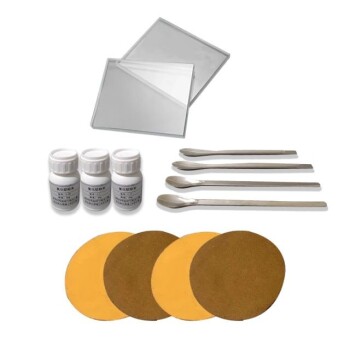
Electrode Polishing Material for Electrochemical Experiments

Electrode Polishing Material for Electrochemical Experiments

Looking for a way to polish your electrodes for electrochemical experiments? Our polishing materials are here to help! Follow our easy instructions for best results.

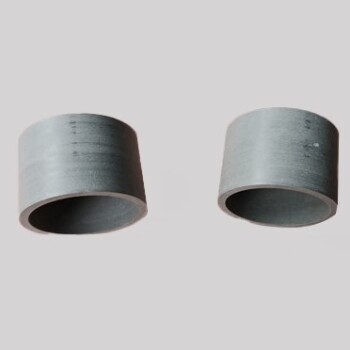
Conductive Boron Nitride BN Ceramics Composite for Advanced Applications

Conductive Boron Nitride BN Ceramics Composite for Advanced Applications

Due to the characteristics of boron nitride itself, the dielectric constant and dielectric loss are very small, so it is an ideal electrical insulating material.

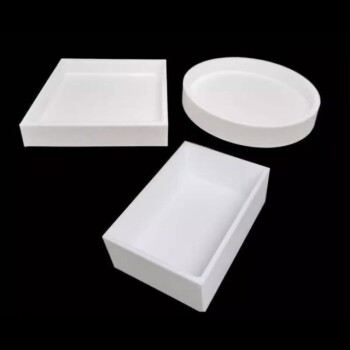
Custom PTFE Teflon Parts Manufacturer for PTFE Containers

Custom PTFE Teflon Parts Manufacturer for PTFE Containers

PTFE container is a container with excellent corrosion resistance and chemical inertness.

Laboratory Hydraulic Press Lab Pellet Press for Button Battery

Laboratory Hydraulic Press Lab Pellet Press for Button Battery

Efficiently prepare samples with our 2T Button Battery Press. Ideal for material research labs and small-scale production. Small footprint, lightweight, and vacuum-compatible.

High Temperature Wear-Resistant Alumina Al2O3 Plate for Engineering Advanced Fine Ceramics

High Temperature Wear-Resistant Alumina Al2O3 Plate for Engineering Advanced Fine Ceramics

High temperature wear-resistant insulating alumina plate has excellent insulation performance and high temperature resistance.

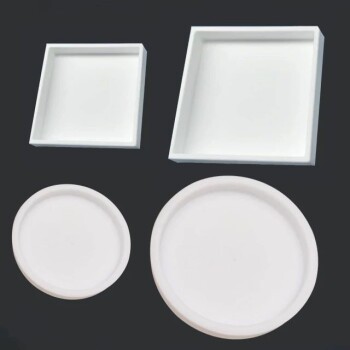
Custom PTFE Teflon Parts Manufacturer for Culture Dish and Evaporation Dish

Custom PTFE Teflon Parts Manufacturer for Culture Dish and Evaporation Dish

The PTFE culture dish evaporating dish is a versatile laboratory tool known for its chemical resistance and high-temperature stability. PTFE, a fluoropolymer, offers exceptional non-stick properties and durability, making it ideal for various applications in research and industry, including filtration, pyrolysis, and membrane technology.

Thermally Evaporated Tungsten Wire for High Temperature Applications

Thermally Evaporated Tungsten Wire for High Temperature Applications

It has a high melting point, thermal and electrical conductivity, and corrosion resistance. It is a valuable material for high temperature, vacuum and other industries.

Lab Vibration Mill

Lab Vibration Mill

Vibration Mill for Efficient Sample Preparation, Suitable for Crushing and Grinding a Variety of Materials with Analytical Precision. Supports Dry / Wet / Cryogenic Grinding and Vacuum/Inert Gas Protection.

High Energy Vibratory Laboratory Ball Mill Grinding Mill Single Tank Type

High Energy Vibratory Laboratory Ball Mill Grinding Mill Single Tank Type

High-energy vibration ball mill is a small desktop laboratory grinding instrument.It can be ball-milled or mixed with different particle sizes and materials by dry and wet methods.

Single Punch Tablet Press Machine and Mass Production Rotary Tablet Punching Machine for TDP

Single Punch Tablet Press Machine and Mass Production Rotary Tablet Punching Machine for TDP

Rotary tablet punching machine is an automatic rotating and continuous tableting machine. It is mainly used for tablet manufacturing in the pharmaceutical industry, and is also suitable for industrial sectors such as food, chemicals, batteries, electronics, ceramics, etc. to compress granular raw materials into tablets.

Laboratory Disc Rotary Mixer for Efficient Sample Mixing and Homogenization

Laboratory Disc Rotary Mixer for Efficient Sample Mixing and Homogenization

Efficient Laboratory Disc Rotary Mixer for Precise Sample Mixing, Versatile for Various Applications, DC Motor and Microcomputer Control, Adjustable Speed and Angle.

High Shear Homogenizer for Pharmaceutical and Cosmetic Applications

High Shear Homogenizer for Pharmaceutical and Cosmetic Applications

Enhance lab efficiency with our high-speed Laboratory Emulsifier Homogenizer for precise, stable sample processing. Ideal for pharmaceuticals & cosmetics.

Custom PTFE Teflon Parts Manufacturer for Hollow Cleaning Basket and Rack Carrier

Custom PTFE Teflon Parts Manufacturer for Hollow Cleaning Basket and Rack Carrier

The PTFE hollow cleaning flower basket is a specialized laboratory tool designed for efficient and safe cleaning processes. Made from high-quality polytetrafluoroethylene (PTFE), this basket offers exceptional resistance to acids, alkalis, and organic solvents, ensuring durability and reliability in various chemical environments.

Single Punch Electric Tablet Press Machine TDP Tablet Punching Machine

Single Punch Electric Tablet Press Machine TDP Tablet Punching Machine

The electric tablet punching machine is a laboratory equipment designed for pressing various granular and powdery raw materials into discs and other geometric shapes. It is commonly used in pharmaceutical, healthcare products, food, and other industries for small batch production and processing. The machine is compact, lightweight, and easy to operate, making it suitable for use in clinics, schools, laboratories, and research units.

Single Punch Electric Tablet Press Machine Laboratory Powder Tablet Punching TDP Tablet Press

Single Punch Electric Tablet Press Machine Laboratory Powder Tablet Punching TDP Tablet Press

The single-punch electric tablet press is a laboratory-scale tablet press suitable for corporate laboratories in pharmaceutical, chemical, food, metallurgical and other industries.

Laboratory Vibratory Sieve Shaker Machine for Dry and Wet Three-Dimensional Sieving

Laboratory Vibratory Sieve Shaker Machine for Dry and Wet Three-Dimensional Sieving

KT-VD200 can be used for sieving tasks of dry and wet samples in the laboratory. The screening quality is 20g-3kg. The product is designed with a unique mechanical structure and an electromagnetic vibrating body with a vibration frequency of 3000 times per minute.

Single Punch Manual Tablet Press Machine TDP Tablet Punching Machine

Single Punch Manual Tablet Press Machine TDP Tablet Punching Machine

Single punch manual tablet punching machine can press various granular, crystal or powdery raw materials with good fluidity into disc-shaped, cylindrical, spherical, convex, concave and other various geometric shapes (such as square, triangle, ellipse, capsule shape, etc.), and can also press products with text and patterns.

Custom PTFE Teflon Parts Manufacturer Corrosion Resistant Cleaning Rack Flower Basket

Custom PTFE Teflon Parts Manufacturer Corrosion Resistant Cleaning Rack Flower Basket

The PTFE cleaning rack, also known as the PTFE flower basket cleaning flower basket, is a specialized laboratory tool designed for the efficient cleaning of PTFE materials. This cleaning rack ensures thorough and safe cleaning of PTFE items, maintaining their integrity and performance in laboratory settings.

Evaporation Boat for Organic Matter

Evaporation Boat for Organic Matter

The evaporation boat for organic matter is an important tool for precise and uniform heating during the deposition of organic materials.


Leave Your Message