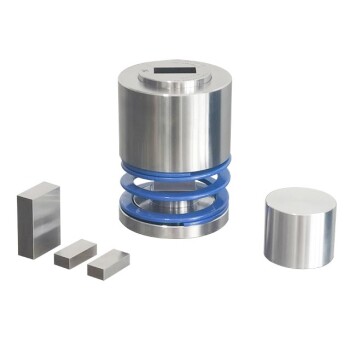
The high-pressure reactor functions as a specialized thermomechanical vessel designed to disrupt the recalcitrant structure of lignocellulosic biomass. By subjecting materials like hardwood sawdust to extreme environments—specifically temperatures around 198 °C and pressures near 1.5 MPa—it primes the biomass for a violent physical disintegration that exposes cellulose fibers for downstream processing.
The core purpose of the reactor is to facilitate accessibility. It combines chemical softening (autohydrolysis) with physical shattering (explosive decompression) to drastically increase the surface area available for enzymatic hydrolysis.
The Two-Stage Pretreatment Mechanism
The function of the reactor is best understood not as a single step, but as a synchronized two-stage process: incubation and disintegration.
Stage 1: Thermochemical Incubation
The reactor first creates a static, high-energy environment. By sealing the biomass within a vessel capable of sustaining pressures from 0.7 to 48 bar (typically 1.5 MPa in this context), the system forces saturated steam into the microscopic pores of the fiber.
Temperature-Induced Autohydrolysis At temperatures of approximately 198 °C, the reactor facilitates hemicellulose autohydrolysis. This chemical reaction begins to break down the hemicellulose matrix that binds the biomass together.
Lignin Transformation Simultaneously, the high thermal energy causes the structural transformation of lignin. This softening of the rigid lignin seal is critical, as it reduces the physical barriers protecting the cellulose strands.
Stage 2: Physical Disintegration
Once the incubation period is complete, the reactor facilitates the "explosion" phase. This is achieved through the rapid opening of a discharge mechanism, such as a ball valve.
The Flash Evaporation Effect The instantaneous drop in pressure triggers the moisture trapped inside the biomass to vaporize immediately. This phenomenon, known as flash evaporation, causes the steam to expand violently within the fiber pores.
Mechanical Shear and Tearing This internal expansion generates powerful mechanical shear forces. These forces tear the fibers at a microscopic level and break the hydrogen bonds between lignin and cellulose.
Surface Area Expansion The result is the physical collapse and deconstruction of the original fiber structure. This significantly increases the specific surface area and porosity of the material, making the cellulose highly accessible to enzymes.
Operational Trade-offs and Requirements
While effective, the high-pressure reactor introduces specific engineering challenges that must be managed to ensure process viability.
Equipment Durability and Corrosion
The reactor must withstand aggressive conditions. In processes involving acid catalysts, the vessel requires corrosion-resistant materials to prevent equipment erosion and avoid contaminating the biomass with metal ions.
Safety and Pressure Management
Handling pressures up to 48 bar and temperatures up to 260 °C demands rigorous safety protocols. The reactor must be equipped with reliable pressure relief systems to manage the volatility of the steam explosion process safely.
Making the Right Choice for Your Goal
To optimize the utility of a high-pressure reactor in your specific workflow, consider the following targeted adjustments:
- If your primary focus is maximizing physical disruption: Ensure your reactor is equipped with a fast-acting ball valve to minimize the time of pressure release, maximizing the shear forces generated by flash evaporation.
- If your primary focus is chemical fractionation: Prioritize precise temperature control (e.g., maintaining exactly 198 °C) to optimize hemicellulose autohydrolysis without degrading the cellulose.
The high-pressure reactor is ultimately a tool for increasing enzymatic efficiency by converting dense, resistant biomass into a porous, accessible substrate.
Summary Table:
| Process Phase | Core Mechanism | Key Effects on Biomass |
|---|---|---|
| Incubation | Thermochemical Autohydrolysis | Softens lignin and breaks down the hemicellulose matrix. |
| Incubation | Saturated Steam Penetration | Forces moisture into microscopic fiber pores under high pressure. |
| Disintegration | Flash Evaporation | Instant pressure drop causes internal steam to expand violently. |
| Disintegration | Mechanical Shear | Tears fibers and increases specific surface area for enzymes. |
Maximize Your Biomass Conversion Efficiency with KINTEK
Accelerate your research and industrial processing with KINTEK’s high-performance high-temperature high-pressure reactors and autoclaves. Specifically engineered for the rigorous demands of steam explosion and thermochemical pretreatment, our reactors provide the precise temperature control and rapid pressure release required to transform recalcitrant biomass into accessible substrates.
Why choose KINTEK?
- Unmatched Durability: Corrosion-resistant materials designed for aggressive chemical environments.
- Precision Engineering: Optimized for temperatures up to 260 °C and pressures up to 48 bar.
- Comprehensive Solutions: From crushing and milling systems to high-pressure vessels and PTFE consumables, we equip your entire laboratory workflow.
Ready to enhance your enzymatic hydrolysis yields? Contact KINTEK experts today to find your perfect reactor solution!
References
- Urszula Dziekońska‐Kubczak, Jarosław Domański. Comparison of steam explosion, dilute acid, and alkali pretreatments on enzymatic saccharification and fermentation of hardwood sawdust. DOI: 10.15376/biores.13.3.6970-6984
This article is also based on technical information from Kintek Solution Knowledge Base .
Related Products
- Customizable Laboratory High Temperature High Pressure Reactors for Diverse Scientific Applications
- Customizable High Pressure Reactors for Advanced Scientific and Industrial Applications
- Stainless High Pressure Autoclave Reactor Laboratory Pressure Reactor
- Visual High-Pressure Reactor for In-Situ Observation
- Mini SS High Pressure Autoclave Reactor for Laboratory Use
People Also Ask
- How do high-pressure and high-temperature reactors ensure the effective treatment of lignocellulosic wastewater in WAO?
- What equipment is required for high-pressure high-temperature reactions? Master Extreme Chemistry Safely
- How do you control high pressure in a reactor? A Guide to Safe & Stable Operation
- Why is argon better than nitrogen for inert atmosphere? Ensure Absolute Reactivity & Stability
- How does initial oxygen pressure affect the wet oxidation of pharmaceutical sludge? Master Your Oxidation Depth