The primary function of a laboratory vacuum system in Covalent Organic Framework (COF) precursor preparation is to eliminate air and impurity gases from the reaction vessel. This removal creates a negative pressure environment or facilitates inert gas protection, which is critical for preventing sensitive reaction intermediates from undergoing oxidative side reactions. By strictly controlling the atmosphere during processes like Suzuki coupling and degassing, the system ensures the structural integrity and purity of the final COF product.
Success in COF synthesis is defined by the purity of the precursors and the prevention of unwanted side reactions. A vacuum system acts as a fundamental control mechanism, ensuring that oxidative damage does not compromise the sensitive chemical architecture required for these frameworks.
Creating a Controlled Reaction Environment
Eliminating Reactive Impurities
The synthesis of COF precursors often involves sensitive chemical steps that are intolerant to atmospheric components. A laboratory vacuum system is deployed to physically evacuate air and impurity gases from the reaction vessel.
By removing these gases, you eliminate the primary sources of contamination before the reaction even begins. This step is non-negotiable for high-fidelity synthesis.
Preventing Oxidative Side Reactions
During complex synthesis methods, such as Suzuki coupling, reaction intermediates are highly susceptible to oxidation. If oxygen is present, these intermediates will degrade rather than forming the desired framework.
The vacuum system creates an environment that effectively blocks these oxidative side reactions. This protection preserves the chemical functionality of the precursors, allowing the reaction to proceed along the intended pathway.
Facilitating Precise Synthesis Conditions
Establishing Inert Gas Protection
Vacuum systems are rarely used in isolation; they are often part of a "cycle" to establish an inert atmosphere. By first pulling a vacuum to remove air, the vessel can be backfilled with an inert gas (like nitrogen or argon).
This inert gas protection guarantees that subsequent synthesis steps occur under strictly controlled component conditions. It creates a blank slate where only the desired chemical interactions can occur.
Efficient Degassing and Solvent Management
Beyond atmospheric air, gases dissolved within liquid solvents can also disrupt the synthesis. The vacuum system facilitates degassing, pulling dissolved oxygen or nitrogen out of the liquid phase.
Furthermore, by lowering the pressure, the system reduces the boiling point of solvents. This allows for efficient drying or solvent removal without exposing the precursors to excessive heat, preventing unnecessary thermal degradation or moisture absorption.
Understanding the Challenges
The Risk of Solvent Loss
While vacuum is essential for purity, applying it aggressively during a reaction can lead to unintended solvent evaporation. If the pressure drops below the solvent's vapor pressure, the solvent may boil off, altering reaction concentrations.
Equipment Integrity
Creating a deep vacuum places significant stress on glassware and seals. Leaks in the system can be counterproductive, introducing air into the vessel at a higher rate than if the system were simply closed, thereby compromising the negative pressure environment.
Making the Right Choice for Your Goal
To maximize the effectiveness of your vacuum system in COF preparation, consider your specific objective:
- If your primary focus is Chemical Purity: Prioritize high-vacuum cycles to fully evacuate the vessel before backfilling with inert gas to prevent any oxidative side reactions.
- If your primary focus is Solvent Removal: Utilize the vacuum to lower the boiling point, allowing for gentle drying that prevents thermal damage to the precursors.
A properly managed vacuum system is the invisible guardian of your chemical synthesis, turning a chaotic environment into a precise reactor.
Summary Table:
| Feature | Function in COF Precursor Preparation |
|---|---|
| Atmosphere Control | Eliminates air and impurity gases to create negative pressure or inert environments. |
| Oxidation Prevention | Protects sensitive intermediates (e.g., in Suzuki coupling) from oxidative degradation. |
| Degassing | Removes dissolved gases from solvents to prevent reaction interference. |
| Thermal Management | Lowers solvent boiling points for gentle drying without heat damage. |
| Purity Assurance | Facilitates inert gas backfilling to guarantee structural integrity of the framework. |
Elevate Your COF Synthesis with KINTEK Precision
High-performance Covalent Organic Frameworks demand an environment free of contamination. KINTEK provides the advanced laboratory equipment necessary to achieve these rigorous standards. Whether you need high-vacuum systems for degassing, high-temperature furnaces for synthesis, or specialized high-pressure reactors and autoclaves, we offer the tools to ensure your precursors remain pure and reactive.
From crushing and milling systems for precursor preparation to cooling solutions for thermal stability, KINTEK supports every stage of your research. Contact us today to discover how our comprehensive range of laboratory equipment and consumables can optimize your synthesis workflow and protect your sensitive chemical architectures.
References
- Shu Yang, Duozhi Wang. Nitrogen-Rich Triazine-Based Covalent Organic Frameworks as Efficient Visible Light Photocatalysts for Hydrogen Peroxide Production. DOI: 10.3390/nano14070643
This article is also based on technical information from Kintek Solution Knowledge Base .
Related Products
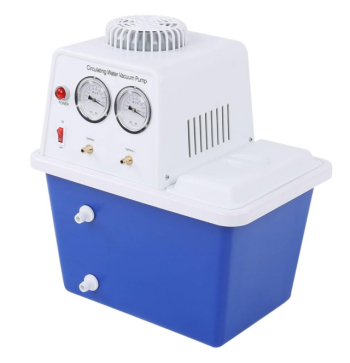
- Circulating Water Vacuum Pump for Laboratory and Industrial Use
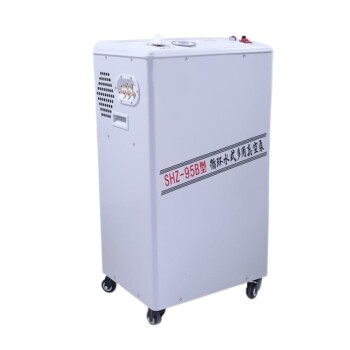
- Laboratory Vertical Water Circulating Vacuum Pump for Lab Use
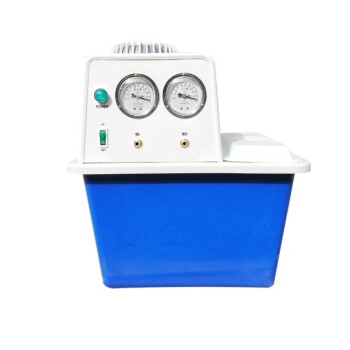
- Laboratory Benchtop Water Circulating Vacuum Pump for Lab Use
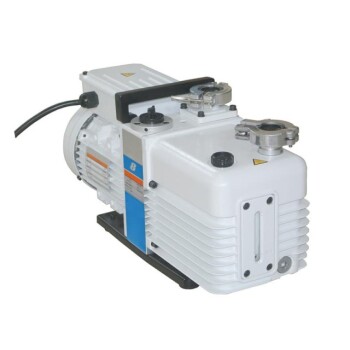
- Laboratory Rotary Vane Vacuum Pump for Lab Use
- Oil Free Diaphragm Vacuum Pump for Laboratory and Industrial Use
People Also Ask
- How is a circulating water vacuum pump utilized for hydrogen production residues? Optimize Your Solid-Liquid Separation
- How does the impeller rotation affect the gas flow in a water circulating vacuum pump? A Guide to the Liquid Ring Principle
- What determines the vacuum degree achievable by a water circulating vacuum pump? Unlock the Physics of Its Limits
- What are the advantages of a water circulating vacuum pump? Superior Durability for Demanding Lab Environments
- How does a water circulating vacuum pump operate? Discover the Efficient Liquid Piston Principle