The pyrolysis reactor acts as a sealed, oxygen-deprived sanctuary for High-Density Polyethylene (HDPE) waste. Its primary function is to subject the material to high temperatures while rigorously excluding air, ensuring the plastic thermally degrades rather than burns. This controlled environment forces the breakdown of solid plastic into valuable outputs like oil-gas mixtures and carbon black.
The reactor is the defining component of the pyrolysis process; it shifts the chemical reaction from combustion (burning waste) to cracking (recovering value). By maintaining a strictly sealed environment, it converts long-chain polymers into marketable fuel sources and industrial carbons.
The Mechanism of Oxygen Exclusion
Preventing Combustion
The most critical function of the reactor is the physical isolation of the HDPE feedstock from the atmosphere.
If oxygen were present during heating, the plastic would simply combust, releasing smoke, ash, and heat, but destroying the chemical value of the material.
Enabling Thermal Degradation
By removing oxygen, the reactor forces the material to undergo thermal degradation.
This process relies on heat alone to destabilize the chemical bonds, allowing the material to transition states without oxidizing.
Transformation of Polymer Chains
Breaking the Molecular Backbone
HDPE consists of long, complex hydrocarbon chains.
Inside the reactor, high heat causes these long chains to snap or "crack" into shorter, smaller molecules.
Generating High-Value Outputs
This molecular fracturing results in three distinct output streams.
The process yields an oil-gas mixture (condensable hydrocarbons), non-condensable gases (syngas), and solid residues known as carbon black.
Critical Design Requirements
Structural and Sealing Integrity
To function correctly, the reactor requires robust structural design and absolute sealing integrity.
Any breach in the seal compromises the "physics" of the internal environment, halting pyrolysis and risking a transition back to combustion.
Maintaining the Physical Environment
The reactor must sustain specific physical and chemical conditions over time.
It acts as a stabilizer, ensuring the temperature and pressure remain constant enough to facilitate the complete breakdown of the HDPE feedstock.
Understanding the Trade-offs
The Risk of Seal Failure
The strict requirement for an oxygen-free environment creates a high dependency on mechanical integrity.
If the reactor's seals fail, air ingress immediately degrades the quality of the oil output and poses significant safety risks due to potential fire.
Heat Transfer Challenges
While the reactor must isolate the material, it must also transmit heat efficiently to the plastic.
Inefficient heat transfer leads to uneven cracking, resulting in lower yields of high-quality oil and higher amounts of low-value char or gas.
Making the Right Choice for Your Goal
To maximize the efficiency of your HDPE recycling operations, consider how the reactor's design aligns with your specific objectives:
- If your primary focus is maximizing oil yield: Prioritize a reactor design with superior sealing technology to prevent oxidation and ensure precise temperature control for optimal cracking.
- If your primary focus is operational safety: Select a reactor with robust structural reinforcement and automated pressure monitoring systems to mitigate the risks of high-temperature operation.
The effectiveness of your entire pyrolysis plant hinges on the reactor's ability to maintain a hermetically sealed, heated environment.
Summary Table:
| Feature | Function in HDPE Pyrolysis |
|---|---|
| Oxygen Exclusion | Prevents combustion and ensures thermal cracking of polymers. |
| Thermal Degradation | Breaks down long hydrocarbon chains into smaller, marketable molecules. |
| Output Generation | Produces oil-gas mixtures, syngas, and solid carbon black. |
| Structural Integrity | Maintains a hermetically sealed environment for safety and yield quality. |
Maximize Your Recycling Yield with KINTEK Technology
Don't let inefficient heating or poor sealing compromise your pyrolysis operations. KINTEK specializes in advanced laboratory and industrial equipment, including high-performance high-temperature high-pressure reactors and muffle furnaces designed for precision material degradation.
Whether you are processing HDPE waste or researching advanced polymer cracking, our systems provide the structural integrity and temperature control required for optimal efficiency. From crushing and milling systems for feedstock preparation to rotary and vacuum furnaces for high-yield processing, we offer the comprehensive tools your lab or facility needs to succeed.
Ready to optimize your thermal degradation process? Contact KINTEK today for a consultation and find the perfect reactor solution for your application.
References
- Ida Bagus Alit, Rudy Sutanto. Liquid fuel production from high density polyethylene plastic waste. DOI: 10.30574/gjeta.2023.16.2.0149
This article is also based on technical information from Kintek Solution Knowledge Base .
Related Products
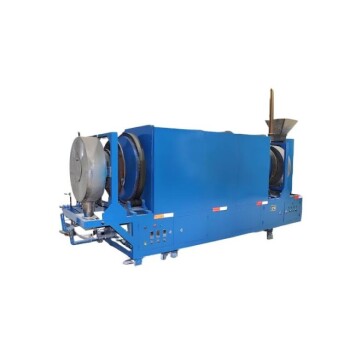
- Electric Rotary Kiln Small Rotary Furnace Biomass Pyrolysis Plant
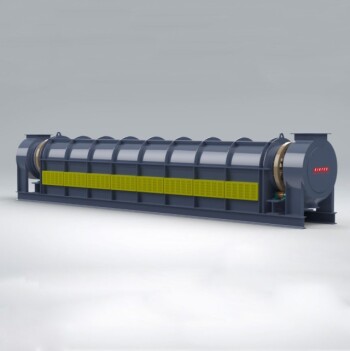
- Electric Rotary Kiln Continuous Working Small Rotary Furnace Heating Pyrolysis Plant
- Electric Rotary Kiln Pyrolysis Furnace Plant Machine Calciner Small Rotary Kiln Rotating Furnace
- Customizable Laboratory High Temperature High Pressure Reactors for Diverse Scientific Applications
- High Pressure Laboratory Autoclave Reactor for Hydrothermal Synthesis
People Also Ask
- What is the temperature of a rotating kiln? It Depends on Your Material and Process Goal
- What are the different types of calciners? A Guide to Selecting the Right Thermal Processing Equipment
- What are the principles of a rotary kiln? Master the Mechanics of High-Temperature Processing
- How are rotary kilns heated? Direct vs. Indirect Heating Methods Explained
- Is rotary kiln a furnace? Discover the Key Differences for Industrial Processing