A rupture disc with a PTFE coating serves as a dual-purpose safety shield within a pressure autoclave. Its primary function is to act as the standard pressure relief mechanism to prevent explosions, while the specialized Polytetrafluoroethylene (PTFE) layer protects the metal disc from chemical attack. This coating is essential for operations involving acidic or corrosive vapors that would otherwise compromise the integrity of a standard metal disc.
Core Takeaway In corrosive environments, a standard metal rupture disc will degrade, causing its burst pressure to become unpredictable and dangerous. The PTFE coating isolates the metal from chemical exposure, ensuring the disc retains its original pressure rating and functions reliably over the long term.
The Vulnerability of Unprotected Systems
The Threat of Corrosive Vapors
Pressure autoclaves frequently process aggressive chemical reagents. During operation, these substances generate acidic or corrosive vapors that circulate within the system.
The Consequence of Metal Erosion
Without protection, these vapors come into direct contact with the metal surface of the safety disc. Over time, this chemical exposure causes erosion, physically altering the thickness and structure of the metal.
How the PTFE Coating Enhances Reliability
Creating an Impermeable Barrier
The application of a PTFE coating on one or both sides of the rupture disc creates a robust chemical seal. This layer prevents corrosive agents from ever reaching the structural metal component of the disc.
Stabilizing the Pressure Relief Rating
The most critical function of the coating is the preservation of the disc's "burst point." A rupture disc is calibrated to fail at a specific pressure to save the vessel.
preventing Premature Failure
If corrosion thins the metal, the disc may burst significantly below its rated pressure, causing unnecessary downtime. Conversely, certain types of corrosion can cause material hardening or buildup, potentially preventing the disc from bursting when it should. The PTFE coating eliminates these variables, ensuring long-term stability.
Understanding the Operational Trade-offs
Coating Integrity is Paramount
While the PTFE layer offers excellent protection, it introduces a new maintenance requirement. You must ensure the coating remains physically intact during installation and operation.
Vulnerability to Physical Damage
If the PTFE layer is scratched or nicked, the barrier is compromised. Even a microscopic breach allows corrosive vapors to seep through to the metal, creating a focal point for rapid, localized corrosion that is often difficult to detect visually.
Making the Right Choice for Your Goal
If your primary focus is Long-Term Reliability: Select discs with double-sided PTFE coatings if your process involves vacuum cycles or backpressure, to ensure protection from all angles.
If your primary focus is Safety Compliance: Establish a routine inspection protocol to verify the coating acts as a continuous barrier, as the safety rating is only valid as long as the metal remains uncorroded.
By isolating the sensing element from the corrosive environment, you convert a consumable safety part into a durable, predictable instrument of protection.
Summary Table:
| Feature | Standard Rupture Disc | PTFE-Coated Rupture Disc |
|---|---|---|
| Primary Function | Pressure relief via structural failure | Pressure relief + chemical shielding |
| Corrosion Resistance | Low (susceptible to acidic vapors) | High (impermeable barrier) |
| Burst Point Stability | Decreases as metal erodes | Remains stable over time |
| Maintenance Focus | Physical integrity of metal | Coating continuity and scratch prevention |
| Best Use Case | Inert gases/non-corrosive media | Acidic, corrosive, or reactive chemicals |
Secure Your High-Pressure Research with KINTEK Solutions
Don't let corrosion compromise your laboratory safety. KINTEK specializes in advanced high-temperature high-pressure reactors and autoclaves, offering precision-engineered rupture discs and PTFE-lined components designed for the most demanding chemical environments.
Whether you are performing complex synthesis or material testing, our comprehensive range of laboratory equipment—from PTFE consumables and ceramics to specialized vacuum systems and hydraulic presses—ensures your operations remain safe, predictable, and efficient.
Ready to upgrade your system's reliability? Contact our technical experts today to find the perfect safety solutions and high-performance equipment tailored to your specific research needs.
References
- Srečko Stopić, Bernd Friedrich. Pressure hydrometallurgy: A new chance to non-polluting processes. DOI: 10.5937/vojtehg1103029s
This article is also based on technical information from Kintek Solution Knowledge Base .
Related Products
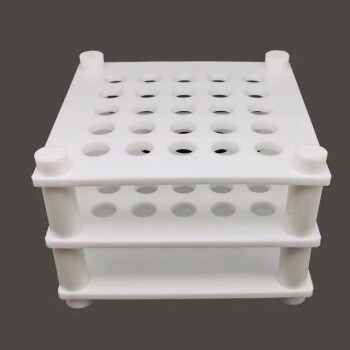
- Custom PTFE Teflon Parts Manufacturer for Centrifuge Tube Racks
- Stainless High Pressure Autoclave Reactor Laboratory Pressure Reactor
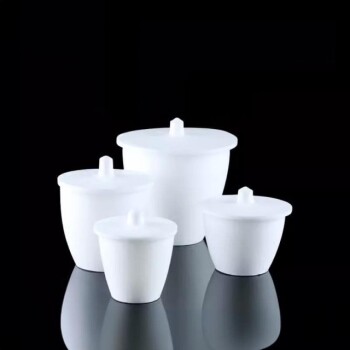
- Custom Machined and Molded PTFE Teflon Parts Manufacturer with PTFE Crucible and Lid
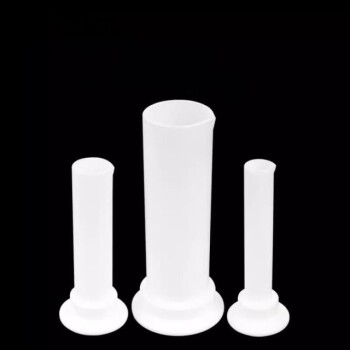
- Custom PTFE Teflon Parts Manufacturer for PTFE Measuring Cylinder 10/50/100ml
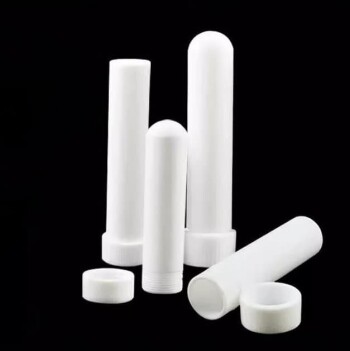
- Custom PTFE Teflon Parts Manufacturer for Centrifuge Tubes
People Also Ask
- Why is slender PTFE tubing necessary for flow control in multi-channel catalyst aging? Ensure Equal Gas Distribution
- Why are PTFE containers required for PCT leaching tests? Ensure Chemical Inertness and Analytical Precision
- Why are PTFE containers necessary for selective HF etching of MAX phases? Ensure Safe & Pure MXene Synthesis
- What role do PTFE containers play in trace metal detection? Ensure Analytical Precision in Photocatalysis Studies
- Why is a PTFE container required for acid leaching of silicon nanosheets? Ensure High Purity and Safety