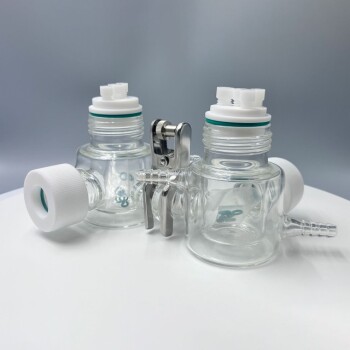
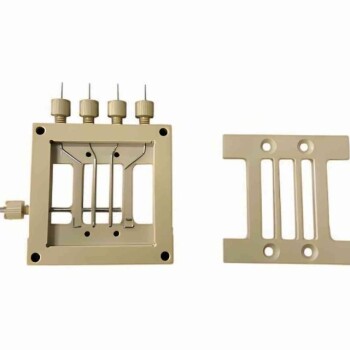
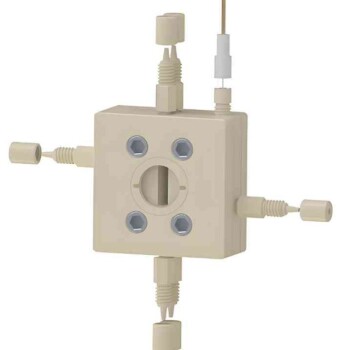
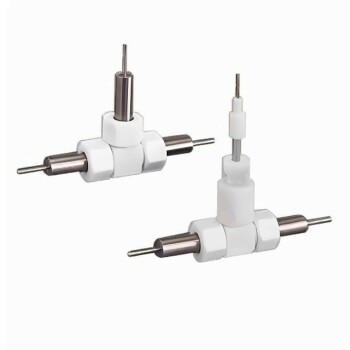
The electrolytic cell functions as the central engine of any electrochemical hydrogen production system. It acts as the core reaction device where input direct current (DC) is applied to decompose water molecules into hydrogen and oxygen. Beyond the chemical reaction, it serves a critical structural role by rigidly securing electrodes and electrolytes to maintain a stable environment for electrolysis.
While its visible role is splitting water, the electrolytic cell’s most vital function is acting as a physical barrier. It prevents the dangerous recombination of produced hydrogen and oxygen, ensuring both operational safety and gas collection efficiency.
The Mechanics of the Core Reaction
Creating the Electrochemical Environment
The primary purpose of the cell is to provide a controlled setting for electrolysis.
It facilitates the interaction between electricity and water, driving the decomposition process that yields hydrogen.
Structural Integrity
Reliable hydrogen production requires precise alignment of internal components.
The electrolytic cell is responsible for securing the electrodes (anode and cathode) and the electrolyte solution in place.
Ensuring Consistent Performance
By holding these components in a fixed relationship, the cell ensures the reaction remains stable over time.
Loose or shifting components would disrupt the electrical current and reduce hydrogen output.
Safety and Separation Barriers
Preventing Gas Recombination
Once water acts as the feedstock, it splits into hydrogen and oxygen gases.
The electrolytic cell serves as a physical barrier to keep these two distinct gases apart.
This separation is critical because the uncontrolled mixing of hydrogen and oxygen creates a high risk of combustion or explosion.
Maximizing Collection Efficiency
Safety mechanisms within the cell directly contribute to performance.
By isolating the gases immediately upon generation, the cell ensures that the hydrogen collected is of higher purity.
This prevents the loss of product that would occur if the gases were allowed to recombine back into water or mix indiscriminately.
Understanding the Operational Trade-offs
Design Complexity vs. Safety
The requirement for the cell to act as a robust physical barrier adds engineering complexity.
A simpler cell might be cheaper to manufacture, but it often compromises on the impermeability of the gas separation, increasing safety risks.
Thermal Management
Because the cell handles significant direct current, it is subject to electrical resistance.
If the cell creates too much of a barrier or secures components inefficiently, it may generate excess heat, wasting energy that should be used for splitting water.
Making the Right Choice for Your System
The design of the electrolytic cell dictates the ceiling of your system's performance. When evaluating technology, consider your specific operational requirements:
- If your primary focus is Operational Safety: Prioritize cell designs with robust physical barriers to ensure zero gas recombination.
- If your primary focus is Gas Purity: Look for cells that emphasize tight securing of electrodes to maximize separation efficiency.
The electrolytic cell is not merely a vessel; it is the active component that defines the safety profile and efficiency of your hydrogen production.
Summary Table:
| Key Function | Description | Impact on System |
|---|---|---|
| Electrolysis Engine | Decomposes water into H2 and O2 using DC electricity. | Primary mechanism for hydrogen generation. |
| Structural Support | Rigidly secures electrodes and electrolytes in alignment. | Ensures stable current flow and consistent output. |
| Physical Barrier | Prevents the dangerous recombination of H2 and O2 gases. | Critical for operational safety and explosion prevention. |
| Gas Isolation | Facilitates the collection of distinct gases immediately. | Maximizes hydrogen purity and collection efficiency. |
Elevate Your Hydrogen Research with KINTEK Precision
Unlock the full potential of your electrochemical systems with KINTEK’s high-performance electrolytic cells and electrodes. As specialists in laboratory equipment, we provide the essential tools—from advanced electrolytic cells and battery research consumables to high-pressure reactors—designed to ensure the highest standards of safety and gas purity for your hydrogen production workflows.
Whether you are optimizing electrolysis efficiency or scaling up laboratory research, KINTEK offers the technical expertise and robust equipment (including cooling solutions, furnaces, and PTFE consumables) your project demands. Contact us today to find the perfect electrochemical solution for your lab!
References
- Samina Aslam, Nisar Ahmed. Electrochemical hydrogen production: sustainable hydrogen economy. DOI: 10.1039/d3gc02849f
This article is also based on technical information from Kintek Solution Knowledge Base .
Related Products
- PTFE Electrolytic Cell Electrochemical Cell Corrosion-Resistant Sealed and Non-Sealed
- Super Sealed Electrolytic Electrochemical Cell
- Electrolytic Electrochemical Cell with Five-Port
- H Type Electrolytic Cell Triple Electrochemical Cell
- Electrolytic Electrochemical Cell Gas Diffusion Liquid Flow Reaction Cell
People Also Ask
- What is the necessity of selecting a PTFE electrolytic cell? Ensure Precise Graphene Corrosion Testing Accuracy
- What is the proper method for cleaning the surface of an all-PTFE electrolytic cell? Ensure Accurate Results with a Pristine Surface
- How should an all-PTFE electrolytic cell be stored after use? Expert Maintenance Tips for Long-Lasting Performance
- What is the proper cleaning method for an all-PTFE electrolytic cell? Essential Tips for Surface Integrity
- What are the standard opening specifications for all-PTFE electrolytic cells? A Guide to Sealed vs. Non-Sealed Ports