To successfully scale electrochemical advanced oxidation reactors, operators must integrate industrial-grade electrolytic cells and robust circulation pumps. The cells provide the expanded electrode surface area necessary to manage high wastewater flow rates, while the pumps generate the turbulence required to optimize convective mass transfer and maintain system stability.
The transition to pilot-scale relies on industrial-grade hardware to overcome the physical limitations of laboratory setups. By increasing electrode surface area and enforcing turbulent flow, operators can solve critical mass transfer bottlenecks and prevent electrode degradation.
The Engineering Behind the Expansion
Scaling up from a laboratory environment to a pilot operation requires solving two distinct physical challenges: capacity and efficiency.
Increasing Hydraulic Capacity
The primary function of utilizing industrial-grade electrolytic cells is to address the volume of water being treated.
In a pilot scenario, wastewater flow rates are significantly higher than in bench-scale tests. Industrial cells are designed to provide a larger effective electrode area. This increased surface area is directly responsible for satisfying these elevated flow rate requirements without creating a bottleneck.
Enhancing Reaction Efficiency
While the cell handles the volume, the circulation pumps dictate the efficiency of the reaction.
These pumps are not simply moving fluid; they are engineered to maintain constant flow rates and, crucially, create turbulent conditions within the reactor. Turbulence is the key mechanism for enhancing convective mass transfer.
Optimizing Pollutant Transport
In electrochemical oxidation, the pollutant must physically contact the electrode surface to be treated.
Static or laminar flow (common in small labs) limits how quickly pollutants reach the electrode. The turbulence generated by circulation pumps forces pollutants against the electrode surface, significantly improving the reaction rate.
Addressing Common Scaling Pitfalls
When moving to pilot scale, the physics of the reactor change. Failing to utilize the correct hardware leads to specific operational failures.
Solving Mass Transfer Limitations
A common point of failure in scaling is the "mass transfer limitation."
If the reactor size increases but the flow remains too calm, the reaction becomes starved of pollutants near the electrode. The combination of industrial cells and circulation pumps effectively solves this limitation by ensuring the chemical reaction is not hindered by poor fluid dynamics.
Preventing Equipment Degradation
Long-term stability is a critical requirement for pilot operations.
Without sufficient turbulence and flow, electrode surfaces are prone to passivation or scaling. The constant, turbulent flow provided by the circulation pumps scours the electrode surface, preventing the buildup of scale that would otherwise insulate the electrode and stop the process.
Making the Right Choice for Your Goal
When designing your pilot-scale expansion, select your components based on the specific operational parameters you need to control.
- If your primary focus is Hydraulic Throughput: Prioritize the selection of industrial-grade electrolytic cells to maximize the effective electrode area available for high flow rates.
- If your primary focus is Reaction Stability: Focus on the specification of circulation pumps to ensure sufficient turbulence, preventing scaling and overcoming mass transfer limits.
Correctly pairing high-surface-area cells with turbulent flow is the only way to replicate laboratory success at an industrial scale.
Summary Table:
| Feature | Component | Primary Function in Pilot-Scale Expansion |
|---|---|---|
| Hydraulic Capacity | Industrial Electrolytic Cells | Provides large electrode surface area to handle high wastewater flow rates. |
| Mass Transfer | Circulation Pumps | Generates turbulence to optimize convective transport of pollutants to electrodes. |
| System Stability | Turbulent Flow | Prevents electrode passivation and scaling, ensuring long-term operational life. |
| Reaction Rate | Integrated System | Eliminates bottlenecks by ensuring pollutants consistently contact active surfaces. |
Scaling Your Electrochemical Process with KINTEK
Transitioning from lab to pilot scale requires precision engineering and reliable hardware. KINTEK specializes in high-performance laboratory equipment and consumables, offering a comprehensive range of electrolytic cells and electrodes designed to meet the rigorous demands of electrochemical advanced oxidation.
Our expertise extends beyond reactors to provide a complete ecosystem of tools, including high-temperature furnaces, crushing systems, and cooling solutions, ensuring your research and production environments are optimized for success.
Ready to overcome mass transfer bottlenecks and enhance your reaction efficiency? Contact us today to discover how KINTEK’s specialized solutions can empower your industrial expansion.
References
- Yasser Bashir, Sovik Das. Critical assessment of advanced oxidation processes and bio-electrochemical integrated systems for removing emerging contaminants from wastewater. DOI: 10.1039/d3su00112a
This article is also based on technical information from Kintek Solution Knowledge Base .
Related Products
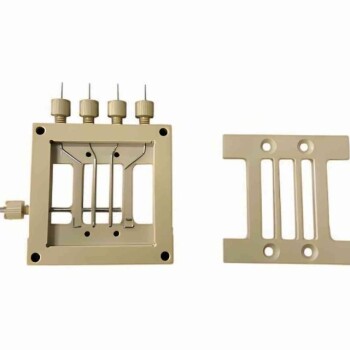
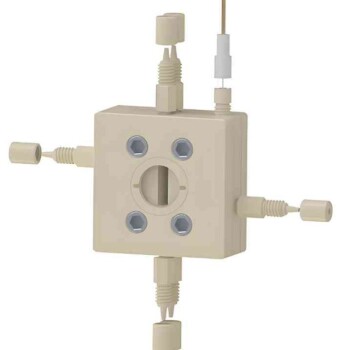
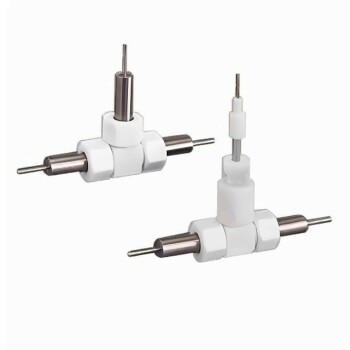
- PTFE Electrolytic Cell Electrochemical Cell Corrosion-Resistant Sealed and Non-Sealed
- Super Sealed Electrolytic Electrochemical Cell
- Electrolytic Electrochemical Cell with Five-Port
- H Type Electrolytic Cell Triple Electrochemical Cell
- Electrolytic Electrochemical Cell Gas Diffusion Liquid Flow Reaction Cell
People Also Ask
- What is the necessity of selecting a PTFE electrolytic cell? Ensure Precise Graphene Corrosion Testing Accuracy
- What is the proper method for cleaning the surface of an all-PTFE electrolytic cell? Ensure Accurate Results with a Pristine Surface
- How should an all-PTFE electrolytic cell be stored after use? Expert Maintenance Tips for Long-Lasting Performance
- What is the proper cleaning method for an all-PTFE electrolytic cell? Essential Tips for Surface Integrity
- What are the standard opening specifications for all-PTFE electrolytic cells? A Guide to Sealed vs. Non-Sealed Ports