Laboratory shakers act as the critical "screening engine" in the research and development of polyhydroxyalkanoates (PHA) derived from extremophiles. They serve as the primary vessel for early-stage strain selection and process optimization, allowing researchers to evaluate growth kinetics and bioplastic accumulation potential in a controlled, small-scale environment before committing to industrial production.
By enabling high-throughput, parallel experiments, shake flask cultivation provides the essential data required to transition PHA production from theoretical discovery to scalable industrial bioreactors.
The Screening Engine of PHA Research
Rapid Strain Assessment
The primary role of the laboratory shaker is to facilitate the simultaneous testing of multiple microbial strains. By running parallel experiments, researchers can quickly identify which extremophilic microorganisms show promise for PHA production.
Targeting Extremophiles
This method is particularly valuable for screening extremophiles, such as psychrophiles (cold-loving) and thermophiles (heat-loving). Shake flasks allow scientists to easily replicate the specific, extreme environmental conditions these organisms require to thrive and produce bioplastics.
Analyzing Growth Kinetics
Beyond simple survival, shake flask cultivation measures how fast these organisms grow. Understanding growth kinetics at this stage is vital for determining the efficiency of a specific strain.
Optimizing Production Conditions
Carbon Source Evaluation
A critical step in PHA development is determining the most efficient "food" for the bacteria. Shake flasks allow researchers to test various carbon sources to see which inputs yield the highest percentage of PHA accumulation.
Defining Environmental Parameters
Researchers use shakers to test limits, such as pH tolerance. This data helps establish the operational boundaries required to maximize product yield.
Understanding the Trade-offs
The Scale-Up Challenge
While shake flasks are excellent for screening, they are only a stepping stone. The data provided is critical for scaling up, but the conditions in a flask do not perfectly replicate the complex hydrodynamics of an industrial bioreactor.
Control Limitations
In a simple shake flask, real-time control over variables like pH and dissolved oxygen is less precise than in a bioreactor. Therefore, results from shake flasks must be viewed as foundational data rather than final process guarantees.
Making the Right Choice for Your Goal
To maximize the value of shake flask cultivation in your PHA project, align your approach with your specific development phase:
- If your primary focus is Strain Discovery: Prioritize high-throughput screening to test a wide variety of psychrophiles and thermophiles for initial PHA accumulation potential.
- If your primary focus is Process Design: Focus on gathering rigorous kinetic data and carbon source evaluations to define the baseline parameters for your industrial bioreactors.
The laboratory shaker is the indispensable filter that separates viable industrial candidates from theoretical possibilities.
Summary Table:
| Feature | Role in PHA Research & Development |
|---|---|
| Primary Function | High-throughput screening engine for strain selection |
| Microbial Focus | Assessment of psychrophiles, thermophiles, and halophiles |
| Key Parameters | Evaluating growth kinetics and bioplastic accumulation rates |
| Optimization | Testing carbon source efficiency and pH/temperature tolerance |
| Transition Goal | Providing foundational data for industrial bioreactor scale-up |
Elevate Your PHA Research with KINTEK Precision
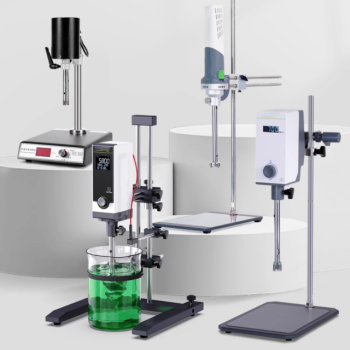
Transitioning from theoretical discovery to industrial-scale PHA production requires reliable data and high-performance laboratory equipment. KINTEK specializes in supporting cutting-edge biotechnology with a comprehensive range of laboratory shakers, homogenizers, and cooling solutions (ULT freezers and freeze dryers) designed to handle the rigorous demands of extremophilic research.
Whether you are screening psychrophiles in a controlled cold environment or optimizing carbon sources for thermophilic strains, our premium equipment ensures the accuracy and repeatability your project demands. Partner with KINTEK to streamline your bioplastic R&D pipeline.
Contact Our Experts Today to Find the Perfect Lab Solutions
References
- Martin Koller. Production of Polyhydroxyalkanoate (PHA) Biopolyesters by Extremophiles?. DOI: 10.15406/mojps.2017.01.00011
This article is also based on technical information from Kintek Solution Knowledge Base .
Related Products
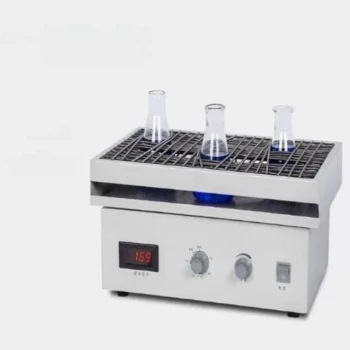
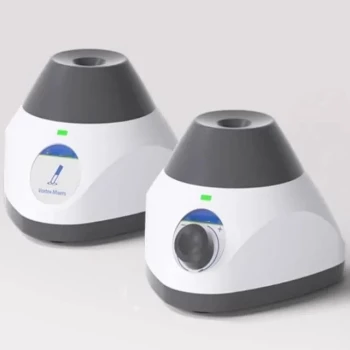
- Laboratory Multifunctional Small Speed-Adjustable Horizontal Mechanical Shaker for Lab
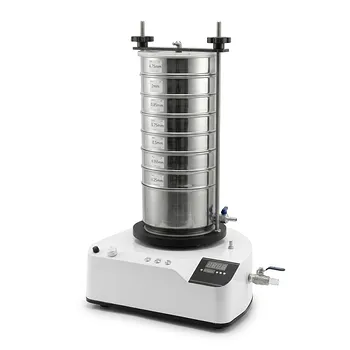
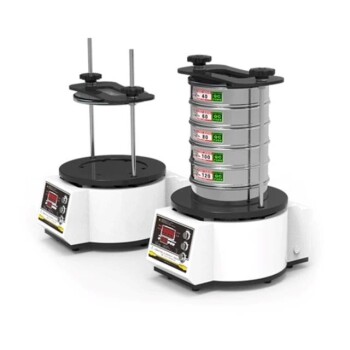
- Laboratory Vibratory Sieve Shaker Machine for Dry and Wet Three-Dimensional Sieving
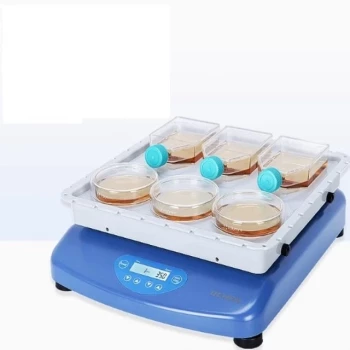
- Laboratory Oscillating Orbital Shaker
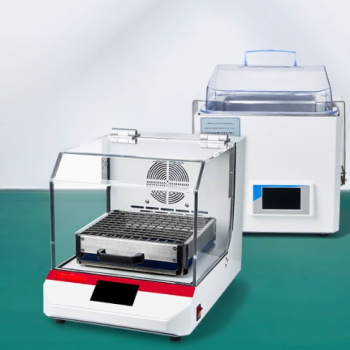
- Shaking Incubators for Diverse Laboratory Applications
- Laboratory Vibratory Sieve Shaker Machine Slap Vibrating Sieve
People Also Ask
- How do static culture and shaking culture affect the morphology of BC? Optimize Lab Shaker Results
- What is the role of a laboratory shaker in silane sol preparation? Master Uniform Aramid Fabric Coating
- Why is a laboratory shaker required for continuous 24-hour catalyst treatment? Achieve Deep Uniform Impregnation
- What is the function of a laboratory shaker in evaluating Fe-C@C nanoparticles? Optimize Methylene Blue Adsorption
- How do laboratory shakers or stirrers influence the efficiency of hydrogen production during dark fermentation?