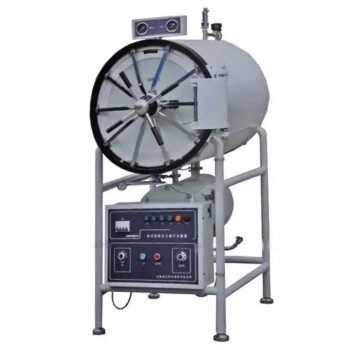
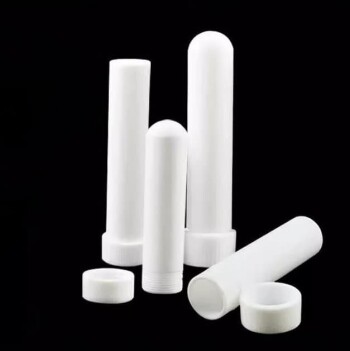
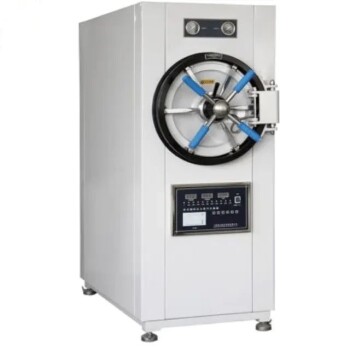
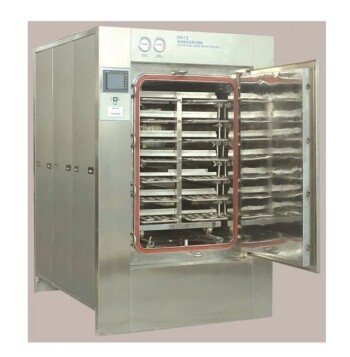
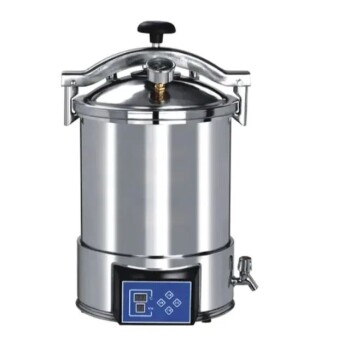
The specific function of an autoclave with a PTFE liner is to create a chemically inert, high-pressure reaction chamber.
This setup enables the hydrothermal carbonization of biomass by maintaining the necessary high temperatures and pressures while isolating corrosive reactants from the equipment's metal shell. The PTFE liner specifically provides a barrier against aggressive alkaline activators, such as sodium hydroxide (NaOH), preventing damage to the stainless steel autoclave and ensuring the purity of the final hydrochar product.
Core Takeaway The autoclave provides the structural integrity to withstand the physical stresses of the subcritical water state, while the PTFE liner acts as a critical chemical shield. This combination protects the equipment from corrosion and prevents metal contamination in the processed biomass.
The Role of the PTFE Liner
Chemical Resistance and Equipment Protection
In many biomass carbonization processes, strong chemical activators like sodium hydroxide (NaOH) are used to catalyze the reaction.
Direct exposure to these alkaline substances at high temperatures would rapidly corrode a standard stainless steel vessel.
The PTFE liner is utilized for its resistance to this chemical corrosion, acting as a sacrificial shield that preserves the structural integrity of the outer steel shell.
Maintaining Reaction Purity
Beyond protecting the vessel, the liner is essential for the quality of the reaction itself.
By preventing the biomass mixture from touching the metal walls, the liner eliminates the risk of heavy metals leaching into the reaction.
This ensures the resulting hydrochar maintains high purity, which is critical if the material is intended for adsorption or combustion applications.
Thermal Stability
The liner is designed to possess exceptional thermal stability to match the rigorous environment of the autoclave.
It must remain physically stable without deforming or melting during the heating cycles required to carbonize biomass materials like eggplant straw.
The Role of the Autoclave Unit
Creating Subcritical Conditions
The stainless steel outer shell provides the sealed environment necessary to generate autogenous pressure.
This pressure allows water to remain in a liquid state even when heated significantly above 100°C (subcritical water).
This unique state of water is the medium that facilitates the conversion of biomass into carbon materials.
Facilitating Chemical Transformation
The high-pressure and high-temperature environment drives specific chemical reactions, including dehydration, decarboxylation, and polymerization.
These reactions break down the raw biomass substrates and restructure them.
The result is the conversion of raw material into hydrochar, characterized by high porosity and abundant oxygen-containing functional groups.
Understanding the Trade-offs
Temperature Limitations
While the primary reference notes the "exceptional thermal stability" of PTFE, it is not infinite.
PTFE liners generally have a lower maximum operating temperature compared to an unlined stainless steel autoclave.
If your specific carbonization process requires temperatures exceeding the melting point of PTFE (typically approaching 260°C - 300°C), the liner may deform or fail.
Thermal Transfer Rates
The addition of a thick PTFE liner creates a thermal barrier between the heating source (often outside the steel shell) and the biomass mixture.
This can slightly increase the time required to reach the target reaction temperature compared to direct metal contact.
However, once heated, the setup ensures thermal uniformity, which is vital for consistent product quality.
Making the Right Choice for Your Goal
- If your primary focus is Equipment Longevity: Prioritize the PTFE liner when using alkaline or acidic catalysts to prevent costly corrosion of the stainless steel shell.
- If your primary focus is Product Quality: Use the lined autoclave to prevent metal contamination, ensuring the hydrochar retains the specific surface properties needed for high-performance applications.
By combining high-pressure containment with chemical inertness, the PTFE-lined autoclave turns aggressive chemical processing into a safe, controlled procedure.
Summary Table:
| Feature | Function in Hydrothermal Carbonization |
|---|---|
| PTFE Liner | Provides chemical resistance against alkaline activators (e.g., NaOH) and prevents metal leaching. |
| Stainless Steel Shell | Maintains structural integrity and facilitates high autogenous pressure for subcritical water. |
| Thermal Stability | Ensures consistent heat distribution while withstanding high-temperature reaction cycles. |
| Chemical Environment | Enables dehydration, decarboxylation, and polymerization to produce high-purity hydrochar. |
Elevate Your Materials Research with KINTEK
Ready to optimize your biomass conversion or chemical synthesis? KINTEK specializes in high-performance laboratory equipment designed for the most demanding environments. Our range of high-temperature high-pressure reactors and autoclaves—available with premium PTFE liners—ensures maximum corrosion resistance and product purity for your hydrochar and carbon material projects.
Whether you need precision crushing and milling systems, vacuum furnaces, or specialized PTFE consumables, KINTEK provides the reliability and expertise your lab deserves.
Don't compromise on equipment longevity or research accuracy. Contact our technical experts today to find the perfect solution for your specific application requirements!
References
- Guofu Huang, Jun Liu. Efficient removal of tetracycline in water using modified eggplant straw biochar supported green nanoscale zerovalent iron: synthesis, removal performance, and mechanism. DOI: 10.1039/d3ra08417e
This article is also based on technical information from Kintek Solution Knowledge Base .
Related Products
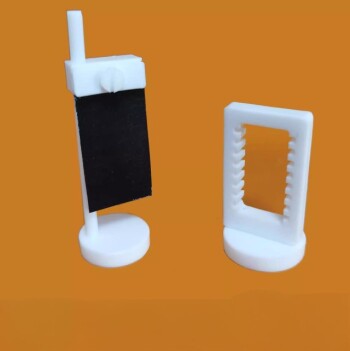
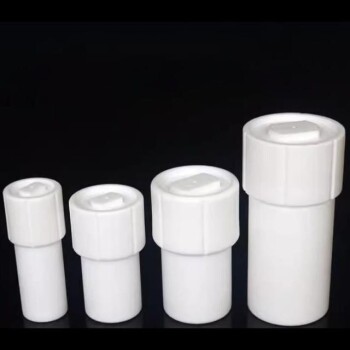
- Custom PTFE Teflon Parts Manufacturer for Hydrothermal Synthesis Reactor Polytetrafluoroethylene Carbon Paper and Carbon Cloth Nano-growth
- High Pressure Laboratory Autoclave Reactor for Hydrothermal Synthesis
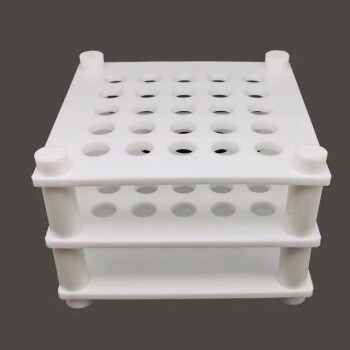
- Custom PTFE Teflon Parts Manufacturer for Centrifuge Tube Racks
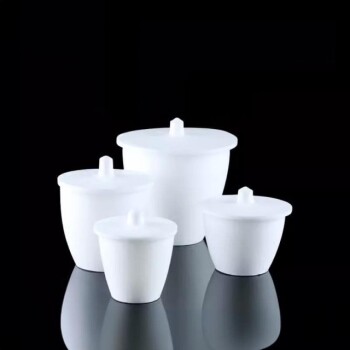
- Custom Machined and Molded PTFE Teflon Parts Manufacturer with PTFE Crucible and Lid
- Custom PTFE Teflon Parts Manufacturer for PTFE Mesh F4 Sieve
People Also Ask
- What is the function of a PTFE reactor in MXene etching? Ensure Safe, High-Purity MAX Phase Conversion
- Why is a PTFE reactor required for titanium-based nano-ceramic coating solutions? Ensure Chemical Inertness & Purity
- Why must a Polytetrafluoroethylene (PTFE) reactor be used for Ti3C2TX MXene etching? Ensure Safety and Purity
- Why are PTFE reactors preferred for silver phosphate glass testing? Ensure Purity and Kinetic Accuracy
- What are the advantages of using polytetrafluoroethylene (PTFE) liners in hydrothermal synthesis reactors? High Purity