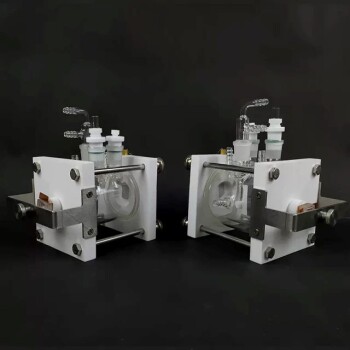
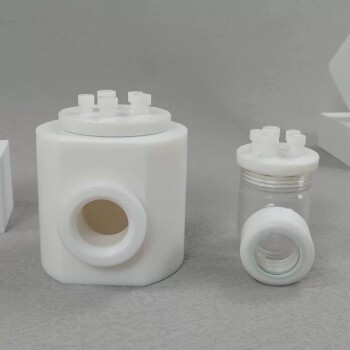
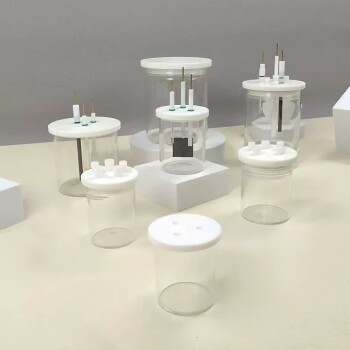
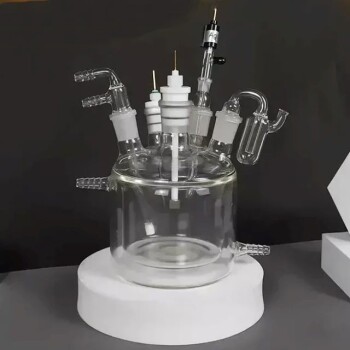
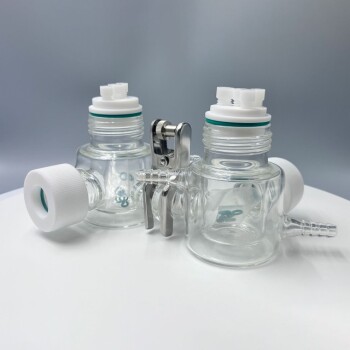
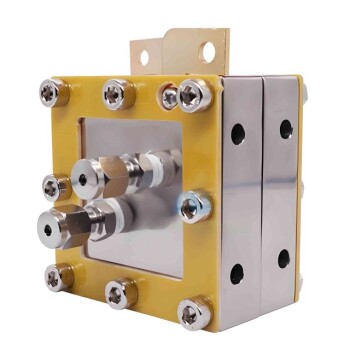
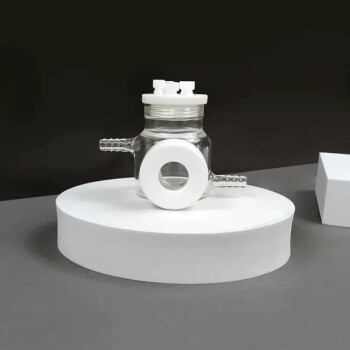
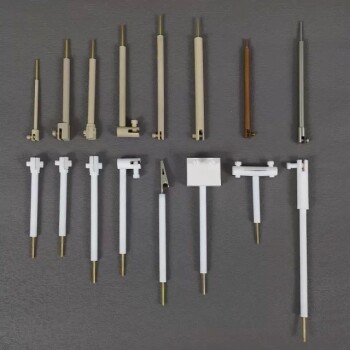
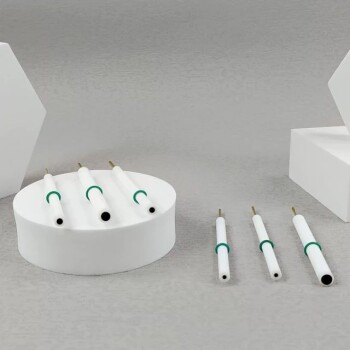
To maintain electrodes in an all-PTFE electrolytic cell, you must perform regular visual inspections for wear or contamination and execute immediate cleaning after every experiment. If inspections reveal significant damage or stubborn contamination that standard cleaning cannot remove, the electrodes must be promptly treated or replaced to ensure experimental integrity.
Core Takeaway The lifespan and accuracy of your electrolytic cell depend on a strict cycle of inspection and hygiene. Residues left on electrodes can permanently alter electrochemical properties, making immediate post-experiment cleaning and proactive replacement of worn components non-negotiable.
Routine Inspection Protocols
Identifying Physical Wear
The primary reference explicitly states that you must regularly inspect the electrodes for signs of physical degradation.
Look for pitting, erosion, or structural changes on the electrode surface.
If signs of aging or damage are found, the component must be replaced promptly to prevent experiment failure.
Checking for Contamination
Contamination is just as critical as physical damage.
Examine the electrode surfaces for discoloration or foreign deposits before and after use.
Any foreign matter on the anode or cathode surface will alter the chemical reactions occurring within the cell.
Inspecting Peripheral Components
While the electrodes are central, the system functions as a whole.
You should also inspect the sealing rings and the cell body during your electrode check.
Replace any parts that show signs of aging to maintain a secure, leak-proof environment.
Cleaning and Treatment Strategy
Immediate Post-Experiment Cleaning
To prevent residues from adhering permanently to the surface, clean the electrodes and reaction vessel immediately after each experiment.
Allowing chemicals to dry on the surface makes removal significantly more difficult and risks permanent contamination.
Selecting the Right Solvents
For standard cleaning, use deionized water or ethanol.
These solvents are generally effective for removing typical reaction byproducts without damaging the electrode material.
Advanced Chemical Treatment
If standard cleaning fails to remove contaminants, you may use a dilute acid or base.
This serves as a treatment to strip stubborn residues, but it should be done carefully to avoid corroding the specific material of your electrode (e.g., platinum or graphite).
Handling and Positioning Guidelines
Preventing Physical Contact Risks
During installation or maintenance, ensure the electrodes do not touch the cell walls or the bottom of the vessel.
Contact with the PTFE walls can cause physical stress or impede the proper flow of ions in the electrolyte.
Verifying Alignment and Spacing
After cleaning and re-inserting electrodes, you must re-verify the electrode spacing and insertion depth.
Tighten the clamp knobs securely only after you have confirmed the alignment meets the specific requirements of your experiment.
Common Pitfalls to Avoid
The "Wait and See" Approach
A common mistake is delaying cleaning until the next experiment begins.
This leads to "history effects," where residues from a previous run contaminate the current one, rendering data unreliable.
Ignoring Mechanical Alignment
Focusing solely on chemical cleanliness while ignoring mechanical positioning is a trade-off that leads to poor reproducibility.
Even a clean electrode will yield inconsistent results if its distance from the counter-electrode varies between runs.
Making the Right Choice for Your Goal
To maximize the utility of your all-PTFE electrolytic cell, apply the following maintenance logic based on your immediate objectives:
- If your primary focus is Data Reproducibility: rigorous re-verification of electrode spacing and depth after every cleaning cycle is essential to ensure identical experimental conditions.
- If your primary focus is Equipment Longevity: Prioritize the "immediate clean" rule using deionized water to prevent corrosive residues from chemically bonding to the electrode surface.
Treat your electrodes as precision instruments, not just conductive metal; their surface condition defines the quality of your science.
Summary Table:
| Maintenance Task | Frequency | Action Required |
|---|---|---|
| Visual Inspection | Before/After Every Use | Check for pitting, erosion, or contamination. |
| Standard Cleaning | Immediately Post-Experiment | Rinse with deionized water or ethanol to remove residues. |
| Deep Treatment | As Needed | Use dilute acid/base for stubborn deposits (material dependent). |
| Component Check | Monthly/Quarterly | Inspect sealing rings and PTFE cell body for wear. |
| Alignment Check | During Every Setup | Verify electrode spacing and insertion depth for consistency. |
Elevate Your Electrochemistry with KINTEK Precision
Ensure the integrity of your research with high-performance laboratory solutions. At KINTEK, we specialize in providing researchers with premium electrolytic cells, electrodes, and specialized consumables designed for durability and accuracy.
From high-temperature furnaces and vacuum systems to our robust all-PTFE electrolytic cells, we offer the tools you need to achieve reproducible results in battery research and chemical synthesis. Don't let improper maintenance or subpar equipment compromise your data.
Contact KINTEK today to find the perfect equipment and expert support for your lab!
Related Products
- H Type Electrolytic Cell Triple Electrochemical Cell
- Electrolytic Electrochemical Cell Gas Diffusion Liquid Flow Reaction Cell
- PTFE Electrolytic Cell Electrochemical Cell Corrosion-Resistant Sealed and Non-Sealed
- Electrolytic Electrochemical Cell with Five-Port
- Super Sealed Electrolytic Electrochemical Cell
People Also Ask
- What is a H type cell? A Guide to Divided Electrochemical Cells for Accurate Experiments
- How should the electrolyte be prepared and added to the H-type electrolytic cell? Best Practices for Purity and Safety
- What is the technical necessity of using an H-type electrolytic cell for NO3RR tests? Protect Your Ammonia Yields
- How does the design of an H-type electrolytic cell benefit the neutral water electrolysis process for metal recovery?
- What is the primary function of an H-type electrolytic cell in NitRR? Ensure Accurate Product Yields