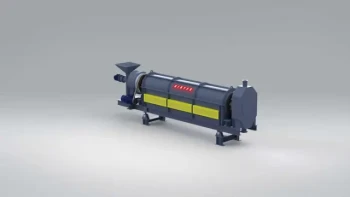
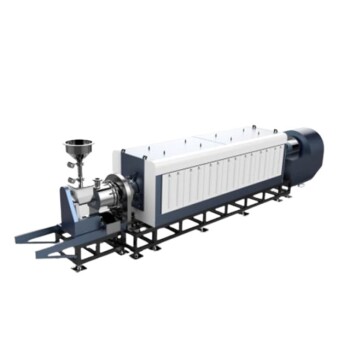
High-pressure reactors provide a critical physical environment primarily characterized by maintained pressures between 10.0 and 15.0 MPa. This specific pressure range, often utilized in conjunction with high-temperature control, is the necessary condition required to significantly enhance mass transfer between CO2 and the calcium or magnesium oxides present in silicate minerals or industrial waste.
High-pressure reactors bridge the gap between geological theory and industrial reality. By intensifying reaction conditions, they compress the timeline of natural mineralization from years into a timeframe viable for mass production.
The Role of Pressure in Reaction Kinetics
Overcoming Mass Transfer Barriers
The fundamental challenge in carbonation is the physical interaction between gas and solid. High-pressure reactors provide the force necessary to overcome resistance at the interface of CO2 and mineral reactants.
By maintaining pressures between 10.0 and 15.0 MPa, the reactor improves the mass transfer rate. This ensures that CO2 penetrates and reacts with calcium or magnesium oxides much more efficiently than it would under ambient conditions.
Accelerating Reaction Speed
Natural mineralization is chemically stable but kinetically slow. The high-pressure environment directly addresses this by accelerating the reaction kinetics.
This acceleration is essential for industrial feasibility. It shortens the carbonation process significantly, allowing facilities to process material rapidly rather than waiting on slow natural cycles.
Process Intensification and Efficiency
Optimizing Yield and Selectivity
Beyond simple speed, the high-pressure environment can fundamentally alter the reaction path. This shift often results in greater yield and selectivity.
By controlling the pressure conditions, operators can drive the reaction toward specific, improved product outcomes that might not be achievable at lower pressures.
Reducing Operational Footprint
High-pressure reactors enable process intensification. Because the reaction rates are faster, the same output can often be achieved with smaller reactor vessels.
This intensification can lead to lower overall energy usage per unit of product, despite the energy required to pressurize the system, by reducing the physical scale and duration of the operation.
Understanding the Trade-offs
The Requirement for Precise Control
While high pressure drives efficiency, it demands rigorous process control. The benefits of enhanced mass transfer are strictly tied to maintaining the specific 10.0 to 15.0 MPa window.
Deviating from this range may result in suboptimal kinetics or improved yields that do not justify the energy expenditure.
Complexity vs. Throughput
Implementing high-pressure systems introduces mechanical complexity compared to atmospheric reactors.
However, this complexity is the necessary "cost" for solving the primary bottleneck of CO2 mineralization: time. Without these high-pressure conditions, the kinetics remain too slow for meaningful industrial application.
Making the Right Choice for Your Goal
To determine if a high-pressure reactor strategy aligns with your project objectives, consider your primary constraints:
- If your primary focus is Industrial Viability: Prioritize systems capable of sustaining 10.0–15.0 MPa to ensure the process fits within a commercially relevant timeframe.
- If your primary focus is Site Efficiency: Leverage the process intensification aspects of high-pressure reactors to minimize physical footprint while maximizing throughput.
Mastering the high-pressure environment is the key to unlocking the full potential of CO2 mineralization as a scalable industrial solution.
Summary Table:
| Feature | High-Pressure Reactor Condition | Industrial Impact |
|---|---|---|
| Pressure Range | 10.0 – 15.0 MPa | Overcomes mass transfer barriers between CO2 and minerals |
| Reaction Kinetics | Accelerated Velocity | Shortens mineralization from years to minutes/hours |
| Yield & Selectivity | Optimized Reaction Paths | Improves product quality and maximizes output |
| Process Scale | Process Intensification | Reduces equipment footprint and energy per unit |
| Control Focus | Precise Pressure Monitoring | Ensures consistent mineralization efficiency |
Unlock Scalable CO2 Mineralization with KINTEK
Transitioning from geological theory to industrial reality requires precision-engineered equipment capable of maintaining rigorous environments. KINTEK specializes in advanced laboratory solutions, including high-temperature high-pressure reactors and autoclaves specifically designed to handle the 10.0–15.0 MPa requirements of carbonation research.
Whether you are refining silicate mineral processes or industrial waste carbonation, our comprehensive portfolio—ranging from muffle and vacuum furnaces to crushing systems and pellet presses—ensures your lab is equipped for success.
Ready to accelerate your carbon sequestration research? Contact our technical experts today to find the perfect reactor system for your mission-critical mineralization goals.
References
- Ahmed Al‐Mamoori, Fateme Rezaei. Carbon Capture and Utilization Update. DOI: 10.1002/ente.201600747
This article is also based on technical information from Kintek Solution Knowledge Base .
Related Products
- Stainless High Pressure Autoclave Reactor Laboratory Pressure Reactor
- Customizable High Pressure Reactors for Advanced Scientific and Industrial Applications
- Customizable Laboratory High Temperature High Pressure Reactors for Diverse Scientific Applications
- Mini SS High Pressure Autoclave Reactor for Laboratory Use
- Visual High-Pressure Reactor for In-Situ Observation
People Also Ask
- Why is a laboratory high-pressure reactor used in the hydrothermal synthesis of hydroxyapatite catalysts?
- Why is a laboratory high-pressure reactor necessary for synthesizing fly ash-based zeolite? Achieve Pure Crystallization
- What role does a laboratory high-pressure reactor play in the leaching process of spent cathode materials? Optimize Recovery
- What conditions do laboratory high-pressure reactors provide for HTC? Optimize Your Biochar Production Processes
- How are high-pressure reactors used to prepare metaphosphate electrocatalysts? Master In-Situ Precursor Growth