Strict control of applied voltage and correct polarity alignment are the most critical safety measures when operating a thin-layer spectroelectrochemical cell. You must verify that the anode and cathode are properly connected to prevent reverse polarity, which can compromise the experiment. Simultaneously, the applied voltage must be regulated to prevent the decomposition of the electrolyte and physical damage to the electrodes.
Core Takeaway The integrity of your spectroelectrochemical data relies on maintaining electrical stability within the cell's limits. Exceeding voltage thresholds or reversing polarity does not just ruin a single run; it risks permanent damage to the delicate electrode mesh and chemically degrading your electrolyte solution.
Managing Electrical Parameters
Polarity Alignment
The primary risk during setup is the accidental reversal of polarity. You must ensure the anode and cathode are correctly identified and connected to the electrochemical workstation.
Failure to observe correct polarity can lead to immediate experimental failure. It may also induce unintended electrochemical reactions that alter the surface properties of the electrodes.
Voltage Regulation
Applied voltage must be kept within a strictly controlled range. Excess voltage triggers the decomposition of the electrolyte solution.
This decomposition often generates gas bubbles or irreversible byproducts. These artifacts can obscure optical transmission through the thin layer, rendering spectroscopic data useless. High voltage can also physically damage the platinum mesh or wire components.
Power Sequence
Electrical precautions extend to the end of the experiment. You must shut off power to the electrochemical workstation before disconnecting the cell.
Disconnecting live leads can cause current spikes. These surges are potentially damaging to both the sensitive electrodes and the workstation's internal circuitry.
Hardware and Material Context
Electrode Specifications
Precise voltage control is particularly important given the specific electrode materials used in this cell.
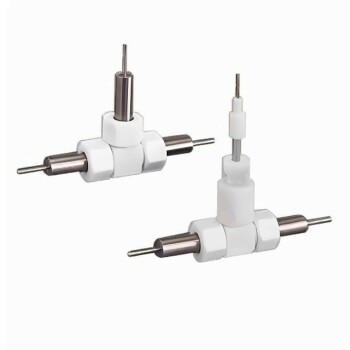
The system is designed for a Platinum (Pt) mesh working electrode (6 x 7mm) and a Platinum (Pt) wire counter electrode (0.5mm diameter). The reference electrode is typically Silver/Silver Chloride (Ag/AgCl) with a 3.8mm diameter.
Material Limitations
The cell body is constructed from integrated ground quartz for four-sided light transmission. While quartz provides high purity by avoiding adhesives, it is brittle.
The lid is made of Polytetrafluoroethylene (PTFE) for chemical resistance. While these materials are robust against chemicals, they do not offer protection against the heat or pressure that might result from uncontrolled high-voltage electrolysis.
Common Pitfalls and Trade-offs
Electrolyte Decomposition vs. Signal Strength
A common error is increasing voltage to force a stronger electrochemical reaction for better signal detection.
The Trade-off: While higher voltage drives the reaction faster, it drastically increases the risk of electrolyte breakdown. In a thin-layer cell, gas bubbles from decomposition become trapped in the optical path, scattering light and ruining the spectrum.
Cleaning vs. Contamination
Users often rush the cleaning process between voltage cycles.
The Risk: Residual impurities can alter the breakdown voltage of the next sample. The cell must be drained immediately after use, rinsed with distilled water, and cleaned with a suitable solvent to ensure the next voltage application yields accurate results.
Making the Right Choice for Your Goal
To maximize both the lifespan of your cell and the quality of your data, apply these specific strategies:
- If your primary focus is Equipment Longevity: Prioritize strict voltage limits and always cut power to the workstation before disconnecting leads to protect the platinum mesh.
- If your primary focus is Data Integrity: Double-check polarity connections before every run to prevent reverse-polarity artifacts and ensure the electrolyte is de-oxygenated to minimize background noise.
Success in spectroelectrochemistry is defined by the discipline of your electrical setup.
Summary Table:
| Parameter | Critical Precaution | Risk of Failure |
|---|---|---|
| Polarity | Verify anode/cathode alignment | Permanent electrode damage & data inversion |
| Voltage | Stay within electrolyte limits | Electrolyte decomposition & gas bubble interference |
| Power Sequence | Turn off workstation before disconnecting | Current spikes damaging sensitive circuitry |
| Electrode Care | Limit Pt mesh current load | Structural failure of the 6x7mm working electrode |
| Maintenance | Immediate cleaning post-voltage cycle | Residual contamination affecting breakdown voltage |
Maximize Your Research Precision with KINTEK
Ensure the longevity and accuracy of your spectroelectrochemical experiments with KINTEK’s high-performance laboratory equipment. From precision-engineered electrolytic cells and electrodes to specialized high-temperature furnaces, hydraulic presses, and crushing systems, we provide the robust tools needed for demanding material research.
Our team specializes in supporting laboratories with top-tier consumables, including PTFE products, ceramics, and advanced cooling solutions. Don't let electrical errors compromise your data—partner with KINTEK for reliable hardware and expert technical support.
Contact Our Technical Experts Today to find the perfect fit for your laboratory needs!
Related Products
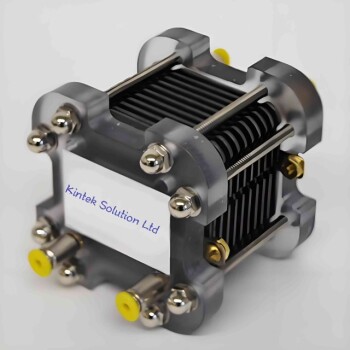
- Thin-Layer Spectral Electrolysis Electrochemical Cell
- Side Window Optical Electrolytic Electrochemical Cell
- H-Type Double-Layer Optical Electrolytic Electrochemical Cell with Water Bath
- Double Layer Five-Port Water Bath Electrolytic Electrochemical Cell
- Double-Layer Water Bath Electrolytic Electrochemical Cell
People Also Ask
- What are the recommended post-experiment procedures for cleaning and storing the thin-layer spectroelectrochemical cell?
- What preparation steps are required before initiating an experiment with the thin-layer spectroelectrochemical cell?
- What operational environments and sealing options are available for the thin-layer spectroelectrochemical cell?
- For what types of systems, temperature ranges, and sealing configurations is the thin-layer spectroelectrochemical cell designed? Ideal for Aqueous and Non-Aqueous Analysis
- What are the necessary preparation steps before using a thin-layer spectroelectrochemical cell? A Guide to Reliable Results