The preliminary processing of magnetic nanocomposite carriers relies on industrial grinding and precision sieving to transform raw mineral ores into highly reactive, uniform powders. These systems are responsible for controlling particle size distribution and maximizing specific surface area, which are the two critical factors for ensuring successful nanoparticle loading and subsequent chemical reactions.
Core Takeaway: Industrial grinding and precision sieving establish the foundational morphology of the carrier; by refining ores to a specific D50 threshold, these processes ensure a high surface area necessary for uniform magnetic loading and efficient solid-phase reactions.
The Role of Industrial Grinding in Ore Refinement
Achieving Mechanical Reduction
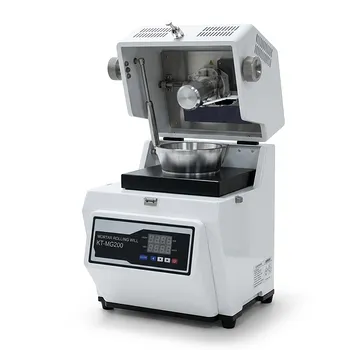
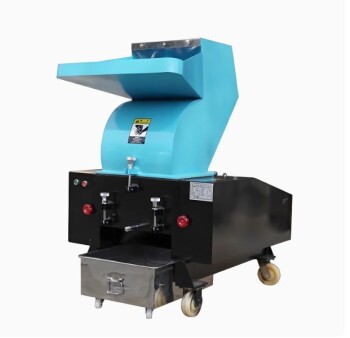
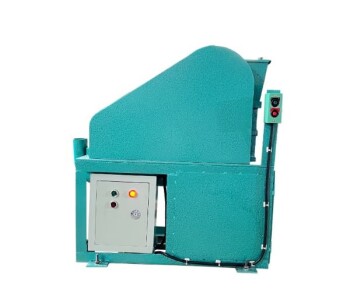
Industrial grinding systems use mechanical force to crush and refine hard ore blocks, such as Ninevite or serpentine, into fine powders. This stage is the primary method for breaking down the complex mineral matrix into a workable precursor for nanocomposite synthesis.
Optimizing the D50 Particle Metric
A critical function of the grinding system is controlling the median particle size (D50), often targeting a range below 50 micrometers. By maintaining specific parameters, such as a rotation speed of 60 rpm, operators can ensure the ore is fine enough to facilitate complete chemical reactivity in later stages.
Enhancing Chemical Reactivity
Fine grinding significantly increases the specific surface area of the mineral powder. This high surface area is essential for ensuring that solid-phase reactions occur uniformly during the calcination process, preventing unreacted cores in the final carrier.
Precision Sieving and Structural Consistency
Narrowing Particle Distribution
While grinding reduces size, precision sieving equipment is used to select mineral particles within a strictly defined range. This removes oversized aggregates that could interfere with the uniformity of the final magnetic nanocomposite.
Creating a Uniform Loading Foundation
Consistency in particle size provides a uniform foundation for the effective loading of metal oxide nanoparticles. If the carrier particles are too varied in size, the distribution of magnetic properties across the batch will be uneven, compromising the material's performance.
Maximizing Nanoparticle Attachment
Precision sieving ensures that the available surface area is accessible and predictable. This allows for an optimized ratio of metal oxide nanoparticles to the carrier material, ensuring the final nanocomposite has the desired magnetic susceptibility.
Understanding the Trade-offs
The Risk of Excessive Grinding
Over-processing the ore can lead to particle agglomeration, where fine powders begin to clump together due to electrostatic forces. This effectively reduces the usable surface area and can trap impurities within the clusters.
Energy Consumption vs. Particle Fineness
There is a diminishing return on energy investment when aiming for extremely small particle sizes. Achieving a D50 below 50 micrometers requires a precise balance; grinding beyond the necessary threshold increases operational costs without necessarily improving the carrier’s loading capacity.
Equipment Wear and Contamination
High-intensity grinding can introduce trace contaminants from the grinding media (such as steel or ceramic) into the natural ore. For high-purity magnetic carriers, the choice of grinding environment and media is as critical as the final particle size.
How to Apply This to Your Project
Evaluating your processing requirements depends heavily on the intended application of the magnetic nanocomposite.
- If your primary focus is Maximum Magnetic Loading: Prioritize achieving the highest possible specific surface area through fine grinding to ensure there is ample room for nanoparticle attachment.
- If your primary focus is Process Scalability: Focus on optimizing the grinding rotation speed and sieving duration to find the most energy-efficient path to a D50 of 50 micrometers.
- If your primary focus is Batch Consistency: Invest in high-precision sieving equipment to ensure the particle size distribution is as narrow as possible, which guarantees uniform behavior in magnetic fields.
By masterfully balancing mechanical refinement with precise size selection, you create a robust mineral foundation capable of supporting high-performance magnetic nanoparticles.
Summary Table:
| Process Step | Key Function | Impact on Nanocomposites |
|---|---|---|
| Industrial Grinding | Mechanical size reduction (D50 < 50µm) | Increases specific surface area for enhanced chemical reactivity. |
| Precision Sieving | Narrowing particle size distribution | Creates a uniform foundation for consistent nanoparticle loading. |
| Parameter Control | Optimizing rotation speed (e.g., 60 rpm) | Prevents particle agglomeration and minimizes equipment contamination. |
Elevate Your Material Synthesis with KINTEK Precision
Achieving the perfect D50 threshold and maximum surface area is critical for high-performance magnetic nanocomposites. KINTEK specializes in advanced laboratory equipment designed to give you total control over your preliminary processing.
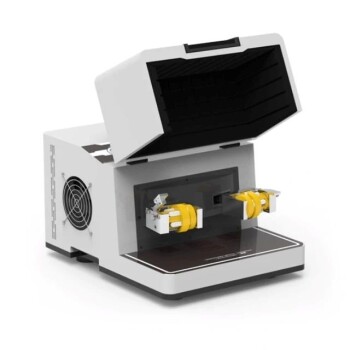
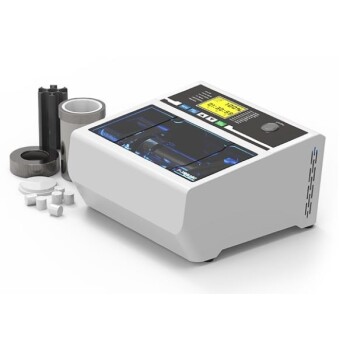
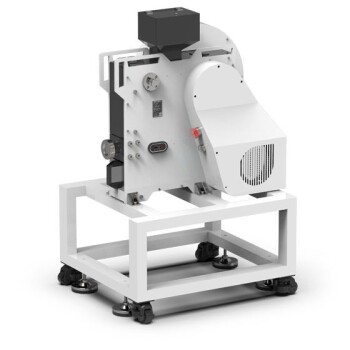
Whether you need robust crushing and milling systems to refine raw ores or precision sieving equipment for strict particle distribution, our solutions ensure batch-to-batch consistency. We also offer a full range of high-temperature furnaces (muffle, tube, vacuum) for subsequent calcination and hydraulic presses for pellet preparation.
Ready to optimize your carrier morphology? Contact our experts today to find the ideal equipment for your research and production needs.
References
- Rasha Khalid Sabri Mhemid, Mohammed Salim Shihab. Decontamination of Metronidazole Antibiotic – A Novel Nanocomposite-Based Strategy. DOI: 10.12911/22998993/168500
This article is also based on technical information from Kintek Solution Knowledge Base .
Related Products
- Three-dimensional electromagnetic sieving instrument
- Laboratory Test Sieves and Sieving Machines
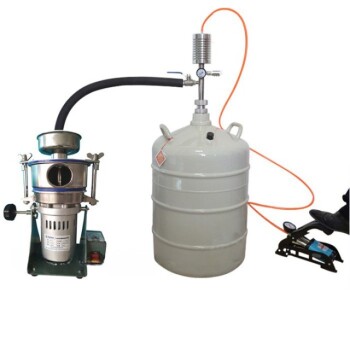
- Small Cryogenic Grinder Cryomill Cryogrinder with Liquid Nitrogen for Laboratory Use
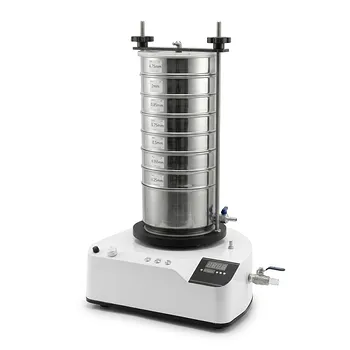
- Laboratory Vibratory Sieve Shaker Machine for Dry and Wet Three-Dimensional Sieving
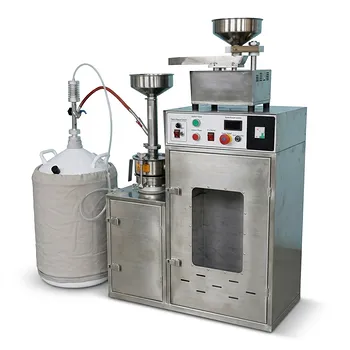
- Liquid Nitrogen Cryogenic Grinder Mill Cryomill with Screw Feeder
People Also Ask
- Why is sieving equipment essential for the classification of processed bio-activated carbon? Optimize Performance
- What are the limitations of sieving? Understanding the Constraints of Particle Size Analysis
- What are advantages and disadvantages of sieving method? A Guide to Reliable & Cost-Effective Particle Sizing
- How is sieving important? The Critical Role of Particle Size Analysis in Quality Control
- What is sieving and how does it work? A Guide to Accurate Particle Size Analysis