In the lifecycle of zeolite membrane preparation, the laboratory drying oven serves as a critical stabilization checkpoint. It functions chiefly between 100°C and 150°C to rigorously eliminate physically adsorbed water from both washed supports and freshly synthesized membranes.
The drying oven acts as a structural safeguard for the membrane's microscopic architecture. By ensuring the complete removal of pore-bound moisture, it prevents the catastrophic damage that occurs when trapped water rapidly vaporizes during high-temperature processing.
Managing Micro-Structural Integrity
Removal of Adsorbed Water
The primary function of the drying oven is to target physically adsorbed water located deep within the pores of the material. This goes beyond surface drying; it ensures that the internal void spaces of the zeolite structure are cleared.
Preventing Rapid Vaporization Damage
If moisture remains within the pores during subsequent high-heat phases (like calcination), it can turn into steam instantaneously. This rapid volume expansion can fracture the delicate membrane structure. The drying oven mitigates this by removing moisture in a controlled, lower-temperature environment.
Critical Phases in the Preparation Cycle
Phase 1: Preparation of Washed Supports
Before synthesis begins, the porous supports (substrates) must be washed and thoroughly dried. The oven operates in the 100°C to 150°C range to ensure these supports are completely free of moisture, providing a pristine surface for the zeolite layer to grow.
Phase 2: Post-Synthesis Stabilization
Once the membrane is synthesized, it enters the oven again. This step stabilizes the fresh membrane, drying the material surface to prepare it for the rigors of plasma testing or final calcination.
Understanding the Risks and Trade-offs
The Danger of Incomplete Drying
Failing to achieve a completely dry state is a common cause of membrane failure. Even trace amounts of moisture can lead to micro-cracks during calcination, rendering the membrane useless for gas or liquid separation.
Thermal Consistency
While the oven removes moisture, it must maintain a constant temperature. Fluctuations during this drying phase can lead to uneven drying rates, which may induce stress in the membrane layer before it is fully hardened.
Making the Right Choice for Your Goal
To maximize the yield and quality of your zeolite membranes, align your drying protocols with your specific processing needs.
- If your primary focus is Structural Integrity: Ensure the oven temperature is maintained strictly between 100°C and 150°C to guarantee the removal of pore-bound water without inducing thermal shock.
- If your primary focus is Process Efficiency: Verify that the supports are dried completely before synthesis to prevent adhesion issues or defects that would require restarting the cycle.
A disciplined drying strategy is the invisible foundation of a high-performance zeolite membrane.
Summary Table:
| Preparation Phase | Oven Temperature | Key Function | Primary Benefit |
|---|---|---|---|
| Support Preparation | 100°C - 150°C | Removal of moisture from washed supports | Ensures a pristine surface for zeolite growth |
| Post-Synthesis | 100°C - 150°C | Elimination of physically adsorbed water | Prevents steam-induced fracturing during calcination |
| Pre-Testing | Constant Range | Surface and pore stabilization | Prepares membrane for plasma testing or final hardening |
Maximize Your Research Precision with KINTEK
Precise moisture control is the foundation of high-performance zeolite membranes. At KINTEK, we specialize in the high-quality laboratory equipment and consumables essential for every stage of your material synthesis—from laboratory drying ovens and high-temperature furnaces (muffle, tube, vacuum) to hydrothermal reactors and autoclaves.
Whether you are preparing porous supports, synthesizing complex membranes, or conducting battery research, our comprehensive portfolio—including PTFE products, ceramics, and crucibles—is designed to meet the most rigorous thermal and chemical standards. Protect your micro-structural integrity and boost your laboratory's efficiency today.
Ready to upgrade your synthesis workflow? Contact KINTEK today for expert solutions!
References
- Fnu Gorky, Maria L. Carreon. Performance and Enhanced Efficiency Induced by Cold Plasma on SAPO-34 Membranes for CO2 and CH4 Mixtures. DOI: 10.3390/membranes14080178
This article is also based on technical information from Kintek Solution Knowledge Base .
Related Products
- Laboratory Scientific Electric Heating Blast Drying Oven
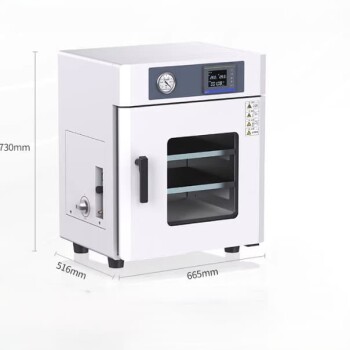
- 56L Vertical Laboratory Vacuum Drying Oven
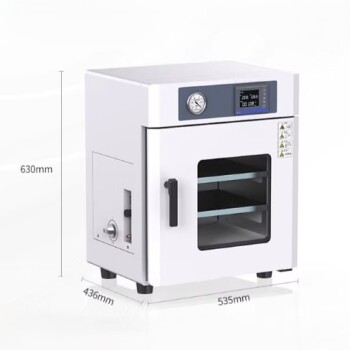
- 23L Laboratory Vacuum Drying Oven
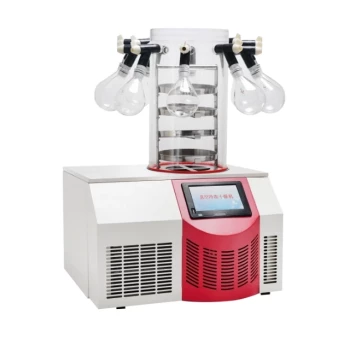
- High Performance Laboratory Freeze Dryer
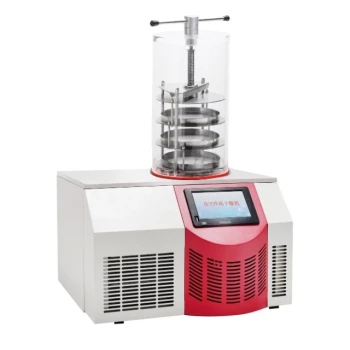
- High Performance Laboratory Freeze Dryer for Research and Development
People Also Ask
- How does a laboratory electric drying oven contribute to the formation of the initial coating? Expert Insights
- What role does a precision laboratory drying oven play in the synthesis of GO-PANI nanocomposites? Protect Material Integrity
- What role does a laboratory drying oven play in the preparation of zinc oxide nanoparticle precursors?
- What is the necessity of using a laboratory drying oven when processing MoO3/GO composite nanopowders? Find out here.
- What is the role of a laboratory drying oven in cellulose citrate production? Ensure Material Stability & Purity