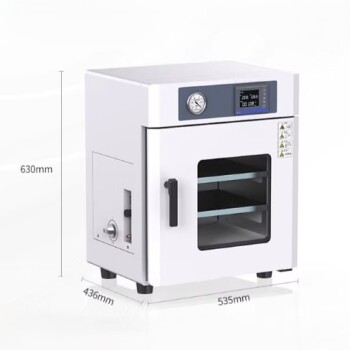
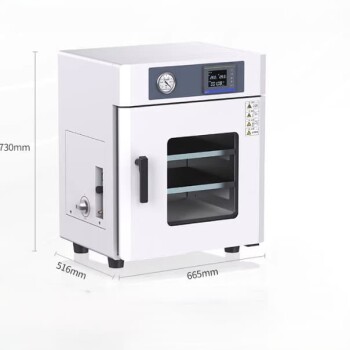
The primary role of an industrial oven in PCB pre-treatment is to facilitate automated thermal disassembly. By creating a controlled high-temperature environment, specifically between 270–280 °C, the oven melts lead-free solder to break the physical bonds on the board. This allows for the efficient separation of electronic components from the base substrate without the need for manual labor.
Core Takeaway Industrial ovens streamline the recycling process by using precise heat to liquefy solder, enabling the mass detachment of components from circuit boards. This thermal method is a critical, cost-effective preliminary step that categorizes materials for subsequent metal recovery.
The Mechanics of Thermal Disassembly
Controlled Temperature Precision
The effectiveness of this pre-treatment relies on maintaining a specific thermal window. The industrial oven or heated disassembly equipment targets a temperature range of 270–280 °C.
Targeted Solder Melting
This specific temperature is calibrated to address lead-free solder. By reaching this melting point, the oven liquefies the solder joints that secure the electronics to the board.
Component Separation
Once the solder melts, the structural integrity of the assembly is removed. This allows the electronic components to detach cleanly from the underlying substrate, effectively sorting the waste into distinct parts.
Strategic Advantages in Recycling
Efficiency at Scale
For high-volume recycling operations, manual disassembly is often prohibitively expensive and slow. Heated disassembly offers a more cost-effective alternative by automating the separation process for large quantities of waste.
Critical Preliminary Step
This process is not the final stage but a foundational one. It serves as a necessary preliminary classification step, preparing the separated materials for the more intensive metal recovery processes that follow.
Understanding the Operational Requirements
Adherence to Temperature Guidelines
The process is highly dependent on thermal accuracy. Operators must ensure the equipment consistently maintains the 270–280 °C range to ensure the solder melts effectively without unnecessary energy waste.
Specificity of Application
The method is explicitly described for handling lead-free solder. The efficiency of the separation is directly tied to the material properties of the solder used in the waste PCBs.
Integrating Thermal Treatment into Operations
To determine the best approach for your specific recycling goals, consider the following:
- If your primary focus is High-Volume Efficiency: Implement industrial ovens to replace manual disassembly, significantly lowering operational costs per unit.
- If your primary focus is Material Classification: Utilize this thermal method as the first step to separate components from substrates before attempting metal recovery.
Effective thermal pre-treatment is the key to converting complex electronic waste into manageable streams for resource extraction.
Summary Table:
| Feature | Specification/Detail |
|---|---|
| Primary Function | Automated Thermal Disassembly |
| Target Temperature Range | 270–280 °C |
| Solder Type | Lead-free solder |
| Output | Separated components and substrates |
| Key Benefit | Cost-effective preliminary material classification |
Maximize Your E-Waste Recovery Efficiency with KINTEK
Transitioning from manual labor to automated thermal disassembly is the key to scaling your PCB recycling operations. At KINTEK, we specialize in providing high-performance industrial ovens and specialized high-temperature furnaces designed to maintain the precise thermal windows required for effective solder melting and component separation.
Whether you are a research lab optimizing material recovery or an industrial recycler seeking high-volume efficiency, our comprehensive range of equipment—including muffle, tube, and vacuum furnaces, as well as crushing and milling systems—ensures you have the right tools for every stage of processing.
Ready to upgrade your laboratory or recycling facility? Our experts are here to help you select the ideal equipment to streamline your workflow and enhance your resource extraction yields.
Contact KINTEK Today to Consult with Our Specialists
References
- Zahra Ilkhani, Farid Aiouache. Bioleaching of Gold from Printed Circuit Boards: Potential Sustainability of Thiosulphate. DOI: 10.3390/recycling10030087
This article is also based on technical information from Kintek Solution Knowledge Base .
Related Products
- Laboratory Scientific Electric Heating Blast Drying Oven
- High Temperature Muffle Oven Furnace for Laboratory Debinding and Pre Sintering
- 23L Laboratory Vacuum Drying Oven
- 56L Vertical Laboratory Vacuum Drying Oven
- Laboratory Muffle Oven Furnace Bottom Lifting Muffle Furnace
People Also Ask
- How does a laboratory electric drying oven contribute to the formation of the initial coating? Expert Insights
- What role does a precision laboratory drying oven play in the synthesis of GO-PANI nanocomposites? Protect Material Integrity
- What role does a laboratory drying oven play in the preparation of zinc oxide nanoparticle precursors?
- What is the necessity of using a laboratory drying oven when processing MoO3/GO composite nanopowders? Find out here.
- What is the role of a laboratory drying oven in cellulose citrate production? Ensure Material Stability & Purity