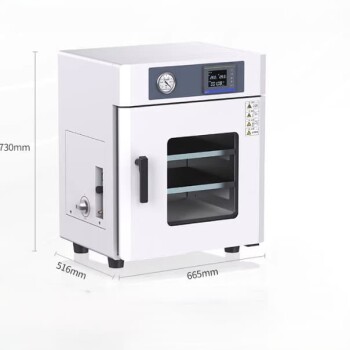
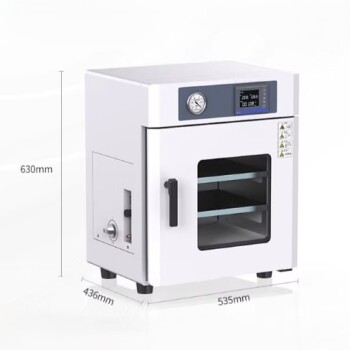
The primary function of the electric drying oven is to execute deep drying of raw clay materials at a precise temperature of 110°C. This step is engineered to remove physical adsorbed water, ensuring the raw material is physically prepared for the mechanical stresses of grinding and the thermal stresses of calcination.
By eliminating moisture early in the preparation stage, the electric drying oven prevents powder agglomeration during grinding and protects the material from thermal shock cracking during later calcination.
The Critical Role of Moisture Removal
Removing Physical Adsorbed Water
The electric drying oven operates at a specific set point of 110°C.
At this temperature, the system targets physical adsorbed water trapped within the raw clay structure. This is distinct from chemically bound water, which requires significantly higher temperatures to remove.
Preventing Material Agglomeration
One of the most immediate benefits of this drying process is the facilitation of the grinding stage.
If moisture remains in the clay, the powder tends to clump or agglomerate. Deep drying ensures the material remains loose and friable, allowing for efficient, fine grinding without clogging machinery.
Avoiding Thermal Shock Cracking
The drying oven serves as a safety buffer before the material enters high-temperature calcination.
If raw material enters the calcination phase with excess moisture, the water evaporates too rapidly under high heat. This rapid expansion causes internal pressure, leading the material to crack or fracture.
Understanding the Distinction: Drying vs. Firing
The Pre-Processing Stage
It is crucial to distinguish the electric drying oven from the high-temperature firing kiln.
The drying oven (110°C) is strictly a preparation tool used to stabilize raw materials physically before they are formed into bricks. It does not alter the mineralogical structure of the clay.
The Sintering Stage
In contrast, the high-temperature electric firing kiln operates at 1350°C and is used for the final densification of the formed bricks.
While the drying oven removes water, the firing kiln triggers complex physicochemical reactions, such as liquid-phase sintering and the growth of the mullite phase. The drying oven simply prepares the "grog" (pre-fired clay) to survive the journey to these higher temperatures.
Ensuring Process Integrity
If your primary focus is Process Efficiency: Ensure the drying oven maintains a consistent 110°C to prevent clumping during grinding, which maximizes throughput and equipment longevity.
If your primary focus is Product Quality: Monitor moisture levels post-drying strictly; adequate drying is the primary defense against micro-cracking during the calcination phase.
Effective refractory production relies on this initial stabilization step to ensure the raw material is robust enough to become a high-performance brick.
Summary Table:
| Process Feature | Specification/Purpose | Key Benefit |
|---|---|---|
| Operating Temp | 110°C | Removes physical adsorbed water |
| Target Material | Raw Clay / Grog | Prepares material for grinding and calcination |
| Grinding Impact | Prevents Agglomeration | Ensures loose, friable powder; prevents clogging |
| Thermal Safety | Prevents Rapid Expansion | Eliminates internal pressure to avoid cracking |
| Stage Goal | Pre-processing | Physical stabilization without structural change |
Elevate Your Refractory Production with KINTEK
Maximize your process efficiency and material integrity with KINTEK’s precision thermal solutions. Whether you are preparing raw clay for dense refractory bricks or performing final high-temperature sintering, our comprehensive range of electric drying ovens, high-temperature muffle furnaces, and vacuum furnaces provides the exact temperature control you need to prevent cracking and ensure product quality.
From high-performance crushing and milling systems to advanced hydraulic pellet presses, KINTEK specializes in laboratory and industrial equipment designed for the most demanding material research. Partner with us to access cutting-edge tools and durable consumables like crucuribles and ceramics tailored for your success.
Ready to optimize your lab's workflow? Contact KINTEK today to discuss your equipment needs!
References
- Isiaka Olajide Odewale, Suraj Jare Olagunju. Consequence of Variations in Al2O3.2SiO2.2H2O and Grog Percentages on the Properties of Dense Refractory Bricks. DOI: 10.36348/sjet.2021.v06i12.002
This article is also based on technical information from Kintek Solution Knowledge Base .
Related Products
- Laboratory Scientific Electric Heating Blast Drying Oven
- 56L Vertical Laboratory Vacuum Drying Oven
- 23L Laboratory Vacuum Drying Oven
- Electric Rotary Kiln Continuous Working Small Rotary Furnace Heating Pyrolysis Plant
- Three-dimensional electromagnetic sieving instrument
People Also Ask
- How does a laboratory electric drying oven contribute to the formation of the initial coating? Expert Insights
- What role does a precision laboratory drying oven play in the synthesis of GO-PANI nanocomposites? Protect Material Integrity
- What role does a laboratory drying oven play in the preparation of zinc oxide nanoparticle precursors?
- What is the necessity of using a laboratory drying oven when processing MoO3/GO composite nanopowders? Find out here.
- What is the role of a laboratory drying oven in cellulose citrate production? Ensure Material Stability & Purity