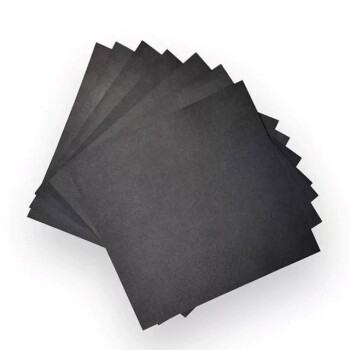
Hydrophilic carbon fiber paper functions as a critical, multi-functional interface within continuous flow electrochemical production units, specifically in membrane-less configurations. It serves a dual purpose by acting as a conductive support for catalysts at the cathode while simultaneously functioning as the active anode. This material is selected primarily for its ability to balance electrical conductivity with fluid dynamics, ensuring efficient hydrogen peroxide generation and water oxidation.
The defining advantage of hydrophilic carbon fiber paper is its ability to integrate structural support with active electrochemical facilitation. By maintaining excellent wettability, it ensures continuous electrolyte contact, preventing flow stagnation while driving essential oxidation and reduction reactions.
The Mechanics of Dual-Role Performance
Functioning as the Cathode Support
In the cathodic compartment, the carbon fiber paper acts primarily as a physical backbone. It provides the necessary surface area to support various catalysts.
This structure is specifically cited for its role in supporting the generation of hydrogen peroxide. By anchoring the catalyst, the paper facilitates the reduction reactions necessary for this chemical output.
Acting as the Active Anode
On the opposing side, the material often serves directly as the anode itself. It does not merely support other materials but actively participates in the reaction.
In this role, the paper facilitates water oxidation or hydroxide reactions. This eliminates the need for a separate anode material, streamlining the cell design.
Why Material Properties Matter
The Importance of Wettability
The "hydrophilic" (water-attracting) nature of the paper is vital for system hydrodynamics. This property ensures the smooth passage of the electrolyte through the porous structure.
Without this wettability, the electrolyte might channel unevenly or stagnate. Hydrophilic paper guarantees that the liquid reactants maintain contact with the electrode surface at all times.
Electrical Conductivity
Efficient flow means nothing without the ability to transfer energy. The paper’s high electrical conductivity is the engine that drives the system's kinetics.
It ensures that current passes freely to the reaction sites. This enhances the overall efficiency of the continuous flow system by minimizing resistive losses.
Understanding the Trade-offs
While hydrophilic carbon fiber paper offers significant efficiency gains, relying on it for dual roles creates specific challenges.
Anodic Degradation Using carbon-based materials as an anode exposes them to harsh oxidation environments. Over time, this can lead to the corrosion of the carbon fibers themselves, potentially limiting the lifespan of the electrode compared to metal-based anodes.
Loss of Hydrophilicity The performance of the cell hinges on the "smooth passage" of electrolytes. If the hydrophilic properties of the paper degrade due to fouling or surface changes, flow distribution will suffer, directly impacting reaction efficiency.
Making the Right Choice for Your Goal
When designing a membrane-less flow cell, consider how these properties align with your specific objectives:
- If your primary focus is cathode efficiency: Ensure the carbon paper provides adequate surface area to anchor your specific catalysts for hydrogen peroxide generation.
- If your primary focus is hydraulic stability: Prioritize the hydrophilic quality of the paper to guarantee consistent electrolyte permeation and prevent channel blockage.
By leveraging the dual nature of hydrophilic carbon fiber paper, you can streamline the design of membrane-less flow cells without sacrificing reaction output.
Summary Table:
| Feature | Role/Benefit | Impact on Performance |
|---|---|---|
| Hydrophilicity | Ensures smooth electrolyte passage | Prevents flow stagnation and ensures surface contact |
| Conductivity | Minimizes resistive losses | Drives efficient kinetics for oxidation and reduction |
| Dual-Role Capability | Acts as cathode support & active anode | Streamlines cell design in membrane-less systems |
| Structural Porosity | Anchors catalysts for H2O2 generation | Provides high surface area for enhanced reaction sites |
Elevate Your Electrochemical Research with KINTEK
Maximize the efficiency of your continuous flow systems with premium materials and precision engineering. KINTEK specializes in high-performance laboratory equipment, offering everything from electrolytic cells and advanced electrodes to high-temperature furnaces and pressure reactors.
Whether you are developing next-generation battery technologies or optimizing hydrogen peroxide production, our team provides the essential tools—including PTFE products, ceramics, and specialized consumables—to ensure your lab achieves consistent, high-accuracy results.
Ready to streamline your electrochemical cell design? Contact our technical experts today to find the perfect equipment for your research goals.
References
- Ao Yu, Yang Yang. Recent advances in electrosynthesis of H<sub>2</sub>O<sub>2</sub><i>via</i> two-electron oxygen reduction reaction. DOI: 10.1039/d4cc01476f
This article is also based on technical information from Kintek Solution Knowledge Base .
Related Products
- Hydrophilic Carbon Paper TGPH060 for Battery Lab Applications
- Conductive Carbon Cloth Carbon Paper Carbon Felt for Electrodes and Batteries
- Glassy Carbon Sheet RVC for Electrochemical Experiments
People Also Ask
- Why is carbon paper placed between the powder and the graphite mold? Protect Your LTPO Electrolytes & Tooling
- How can the lifespan of carbon paper be extended? Reinforce Edges with Epoxy for Maximum Durability
- Why is carbon paper commonly selected as a current collector for manganese dioxide cathodes? Unlock Battery Efficiency
- What are the material properties of carbon paper? Unlocking High Conductivity & Porosity for Your Lab
- How should carbon paper be handled during cutting? Prevent Fractures with a Delicate, Precise Approach