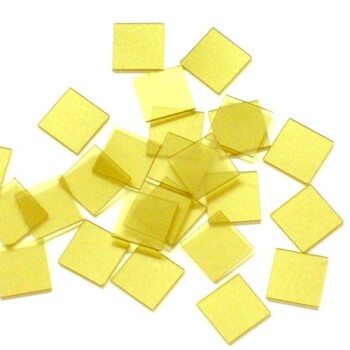
Boron-Doped Diamond (BDD) anodes differ from standard options because of their exceptionally high oxygen evolution potential. This unique electrochemical property suppresses the wasteful formation of oxygen gas, channeling energy instead into the generation of a massive volume of highly active hydroxyl radicals. Consequently, BDD anodes can directly mineralize the most recalcitrant organic pollutants that traditional platinum or metal oxide anodes fail to degrade.
The core advantage of BDD is its ability to inhibit oxygen side reactions, thereby maximizing the production of hydroxyl radicals. This allows for the non-selective, total destruction of stable contaminants, converting them into harmless carbon dioxide and water.
The Mechanics of Electrochemical Superiority
The Power of High Oxygen Evolution Potential
The primary technical differentiator of BDD is its extremely high oxygen evolution potential. In standard electrolysis, energy is often wasted generating oxygen gas as a byproduct. BDD electrodes operate within a wide electrochemical potential window that effectively blocks this side reaction.
Generating the "Silver Bullet": Hydroxyl Radicals
By suppressing oxygen evolution, the anode surface becomes a generator for hydroxyl radicals (•OH). These are among the most powerful oxidants known in chemistry. The high concentration of these adsorbed radicals is the direct engine of the BDD’s superior performance.
Breaking the Unbreakable Bonds
The oxidizing power of BDD-generated radicals is strong enough to cleave stable chemical bonds. Specifically, they can break carbon-hydrogen (C-H) and carbon-carbon (C-C) bonds found in tough materials like microplastics (e.g., polystyrene). This capability is rarely found in conventional electrode materials.
Outperforming Traditional Materials
Beyond Platinum and Metal Oxides
Traditional anodes, such as platinum or dimensionally stable anodes (metal oxides), often suffer from lower oxygen evolution potentials. This limits their efficiency because a significant portion of the applied current is lost to creating oxygen bubbles rather than oxidizing the pollutant. BDD anodes maintain superior chemical stability and oxidation efficiency where these other metals falter.
Achieving Total Mineralization
Conventional methods often only partially oxidize pollutants, leaving behind intermediate byproducts. BDD anodes drive the process toward direct mineralization. This means they completely degrade organic compounds, resulting in significantly higher removal rates for Chemical Oxygen Demand (COD) and Total Organic Carbon (TOC).
Understanding the Trade-offs: Specificity vs. Power
The Implication of Non-Selectivity
While BDD’s power is unmatched, it functions as a blunt instrument. The supplementary data notes that these radicals degrade pollutants non-selectively. This means the anode will attack any organic matter present, not just the target pollutant.
Energy Allocation
Because the oxidation is non-selective, the system consumes energy reducing the total organic load (COD/TOC) of the wastewater. While this ensures thorough treatment, it may be overkill for streams containing only simple, easily biodegradable organics that do not require such high-potential oxidation.
Making the Right Choice for Your Goal
If you are evaluating BDD anodes for your advanced oxidation process, consider the specific nature of your wastewater stream.
- If your primary focus is treating recalcitrant pollutants: BDD is the superior choice for breaking down stable compounds like microplastics or industrial organics that resist biological treatment.
- If your primary focus is total contaminant removal: BDD offers the highest efficiency for reducing Total Organic Carbon (TOC) and achieving complete mineralization into CO2 and water.
In summary, BDD anodes are the definitive solution for scenarios where standard oxidation methods fail, offering a brute-force yet highly efficient path to water purification.
Summary Table:
| Feature | BDD Anode Performance | Traditional Anode (Pt/Metal Oxide) |
|---|---|---|
| Oxygen Evolution Potential | Extremely High (Suppresses O2 gas) | Low (Wastes energy on O2 gas) |
| Oxidation Mechanism | Massive Hydroxyl Radical (•OH) Generation | Limited Surface Oxidation |
| Degradation Capability | Total Mineralization (CO2 + H2O) | Partial Oxidation (Intermediates) |
| Target Pollutants | Recalcitrant (Microplastics, C-C bonds) | Simple Organic Compounds |
| Efficiency (COD/TOC) | Maximum Removal Rates | Moderate to Low Efficiency |
Elevate Your Water Treatment with KINTEK BDD Solutions
Are you struggling to degrade recalcitrant pollutants or achieve complete mineralization? KINTEK specializes in advanced laboratory and electrochemical equipment, providing high-performance Boron-Doped Diamond (BDD) anodes and electrolytic cells designed for the most demanding advanced oxidation processes.
Our BDD technology empowers researchers and industrial professionals to:
- Achieve Total Mineralization: Convert stable contaminants into harmless CO2 and water.
- Maximize Energy Efficiency: Reduce energy waste by suppressing oxygen evolution.
- Break Stable Bonds: Tackle microplastics and industrial organics that other electrodes can't touch.
From high-temperature reactors to precision electrodes, KINTEK offers the comprehensive tools needed for cutting-edge environmental research and wastewater purification. Contact us today to optimize your electrochemical system!
References
- G.C. Miranda de la Lama, Marta Pazos. Heterogeneous Advanced Oxidation Processes: Current Approaches for Wastewater Treatment. DOI: 10.3390/catal12030344
This article is also based on technical information from Kintek Solution Knowledge Base .
Related Products
- Laboratory CVD Boron Doped Diamond Materials
- Boron Nitride (BN) Ceramic Plate
- Conductive Boron Nitride BN Ceramics Composite for Advanced Applications
- Custom Boron Nitride (BN) Ceramic Parts
- Boron Nitride (BN) Ceramic Rod for High Temperature Applications
People Also Ask
- What is the purpose of adding a boron source in CVD diamond growth? Master P-Type Semiconductor Conductivity
- What materials are CVD deposition? From Semiconductors to Super-Hard Coatings
- What are the advantages of BDD electrodes? Maximize Wastewater Treatment Efficiency and Durability
- What are the applications of CVD diamonds? From Jewelry to High-Tech Tools
- Are CVD diamonds good? Real Diamonds with Ethical Origins & Better Value