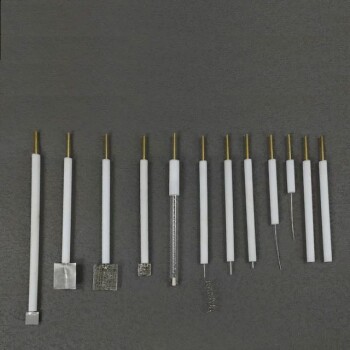
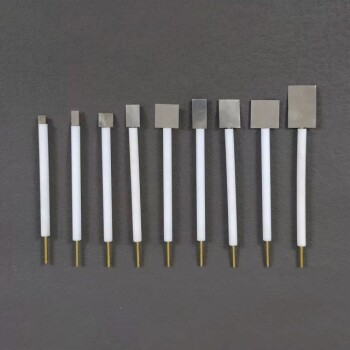
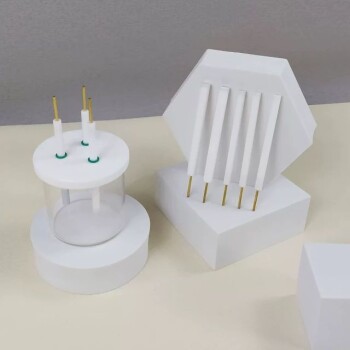
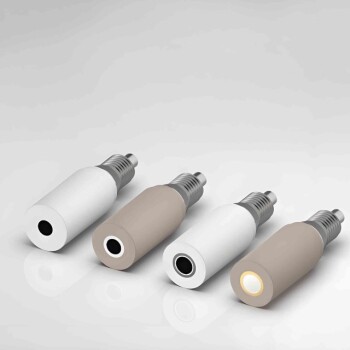
Platinum wire is selected primarily for its exceptional chemical stability and high electrical conductivity. In corrosion experiments, it serves as the ideal auxiliary (counter) electrode because it completes the electrical circuit without undergoing self-dissolution or reacting with the electrolyte.
The auxiliary electrode acts as a current source or sink to balance the reactions occurring at the working electrode. Platinum is the standard choice because it provides a chemically inert surface that facilitates electron flow without introducing impurities that would skew the corrosion data.
The Critical Role of Chemical Inertness
Withstanding Harsh Environments
Corrosion testing often involves highly aggressive electrolytes, such as 1.0 M HCl or other acidic solutions. Platinum possesses superior chemical inertness, meaning it resists oxidation and breakdown even under these extreme conditions.
Preventing Solution Contamination
Because platinum does not dissolve during the experiment, it does not release impurity ions into the solution. This is vital for accuracy; if the auxiliary electrode were to corrode, metal ions could migrate to the working electrode (the sample) and alter its electrochemical behavior.
Ensuring Electrochemical Stability
By resisting redox reactions itself, the platinum wire ensures that the current measured is strictly a result of the reactions on the working electrode. It guarantees the integrity of the three-electrode system by remaining a passive conduit rather than an active participant in the corrosion process.
Electrical Conductivity and Circuit Function
Completing the Current Loop
The primary function of the auxiliary electrode is to complete the electrical circuit with the working electrode. Platinum’s high electrical conductivity ensures efficient electron transfer, preventing voltage drops that could interfere with the control of the experiment.
Facilitating Counter-Reactions
While platinum does not corrode, it is highly active for necessary counter-reactions, such as hydrogen or oxygen evolution. These reactions allow the current to flow through the solution to balance the charge, maintaining a stable testing environment without consuming the electrode material.
Uniform Current Distribution
Using a highly conductive material like platinum helps maintain a uniform current distribution across the cell. This uniformity allows the polarization curves generated during testing to accurately reflect the intrinsic corrosion characteristics of the specimen, rather than artifacts of the cell geometry.
Understanding the Trade-offs
Surface Area Limitations
While platinum wire is excellent for general use, its small surface area can be a limiting factor in experiments requiring high currents. In such cases, a platinum wire might limit the rate of reaction; a platinum mesh or sheet is often preferred to provide a larger surface area for the counter-reaction to occur unimpeded.
The Cost Factor
Platinum is a precious metal and is significantly more expensive than alternatives like graphite. While graphite is also inert and conductive, it is porous and can absorb solution species, making platinum the superior choice for high-precision, low-contamination studies despite the higher cost.
Making the Right Choice for Your Goal
- If your primary focus is high-precision data: Choose platinum wire to eliminate the risk of electrolyte contamination and ensure the purest electrochemical response.
- If your primary focus is high-current experiments: Consider upgrading from platinum wire to platinum mesh to ensure the counter-reaction area does not bottleneck the system.
Platinum wire remains the gold standard for electrochemical setups where material purity and data reliability are non-negotiable.
Summary Table:
| Feature | Benefit in Electrochemical Experiments |
|---|---|
| Chemical Inertness | Prevents electrode dissolution and electrolyte contamination. |
| High Conductivity | Ensures efficient electron transfer and minimal voltage drops. |
| Electrochemical Stability | Maintains a passive role to ensure current reflects working electrode behavior. |
| High Catalytic Activity | Facilitates necessary counter-reactions (H2/O2 evolution) without wear. |
Elevate Your Electrochemical Precision with KINTEK
Don't let electrode contamination compromise your research integrity. KINTEK specializes in premium laboratory equipment and high-purity consumables designed for rigorous scientific demands. From platinum electrodes and electrolytic cells to advanced battery research tools and high-temperature furnaces, we provide the precision instruments you need for accurate, repeatable results.
Whether you are conducting high-precision corrosion studies or scaling up your lab's capabilities, KINTEK offers a comprehensive range of solutions including platinum mesh, graphite electrodes, and high-pressure reactors.
Ready to optimize your experimental setup? Contact our experts today to find the perfect electrochemical components for your laboratory.
References
- Magdy A. M. Ibrahim, B. Hammouti. Corrosion Inhibition of Carbon Steel by Imidazolium and Pyridinium Cations Ionic Liquids in Acidic Environment. DOI: 10.4152/pea.201106375
This article is also based on technical information from Kintek Solution Knowledge Base .
Related Products
- Platinum Auxiliary Electrode for Laboratory Use
- Platinum Sheet Electrode for Laboratory and Industrial Applications
- Rotating Platinum Disk Electrode for Electrochemical Applications
- Platinum Sheet Electrode for Battery Lab Applications
- RRDE rotating disk (ring disk) electrode / compatible with PINE, Japanese ALS, Swiss Metrohm glassy carbon platinum
People Also Ask
- What is the function of a platinum electrode as an auxiliary electrode? Ensure Precise Nickel Coating Corrosion Testing
- Why is platinum typically selected as the auxiliary electrode for electrochemical testing of oxazoline inhibitors?
- What does the auxiliary electrode do? Ensuring Accurate Electrochemical Measurements
- What are the roles of Pt counter and reference electrodes in nitrided steel testing? Optimize Your Electrochemical Data
- What are the advantages of using a platinum counter electrode? Ensure Purity in Photocatalytic Coating Deposition