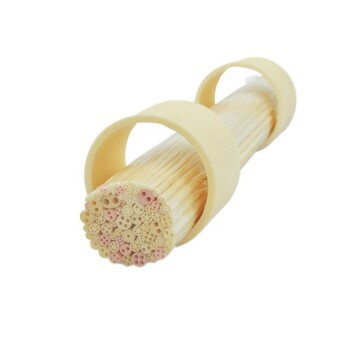
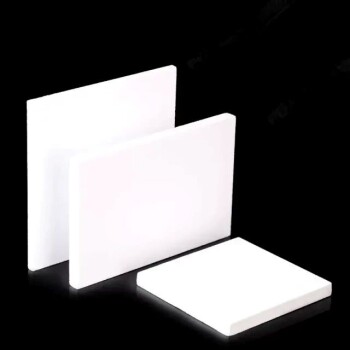
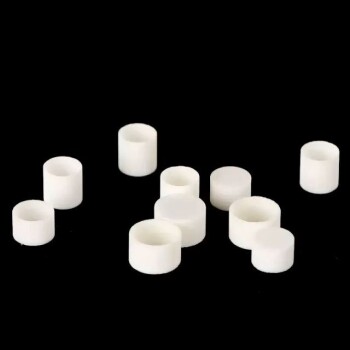
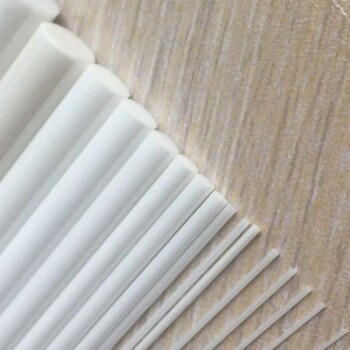
High-purity alumina protection sleeves are utilized in Solid Oxide Membrane (SOM) electrolysis cells to act as a critical defensive barrier against extreme environmental conditions. Their primary function is to physically encase the metal current collector, preventing oxidation loss caused by the generation of pure oxygen at high temperatures. Furthermore, when paired with alumina slurry, they form a hermetic seal that blocks oxygen from reaching exposed metal components, ensuring the assembly remains operational for extended periods.
High-purity alumina sleeves solve the problem of rapid metal degradation in oxygen-rich, high-heat environments. By creating a tight sealing system around the current collector, they prevent oxidation loss and significantly extend the service life of the anode assembly.
The Engineering Challenge: Heat and Oxygen
The Hostile Environment of SOM Cells
SOM electrolysis cells operate under rigorous conditions, characterized by very high temperatures.
More critically, the process generates pure oxygen, creating an environment that is chemically aggressive toward structural components.
Vulnerability of the Current Collector
The heart of the anode assembly is the current collector, typically composed of an oxidation-resistant alloy.
Despite being "oxidation-resistant," these metal alloys are still susceptible to oxidation loss when directly exposed to high-temperature pure oxygen.
Without additional protection, the lifespan of these expensive metal components would be drastically reduced.
How the Alumina Sleeve Functions
Physical Encapsulation
The alumina sleeve provides a physical shield that fully encases the alloy current collector.
This isolation ensures that the metal is not in direct contact with the corrosive oxygen atmosphere generated during electrolysis.
The Role of Alumina Slurry
The sleeve relies on more than just a close fit; it is utilized in conjunction with alumina slurry.
This combination creates a "tight sealing system" that fills gaps and eliminates pathways for gas migration.
This ensures that oxygen cannot bypass the sleeve to reach the exposed metal parts of the current collector.
Why High-Purity Alumina is Chosen
Superior Thermal Stability
High-purity alumina is selected for its ability to withstand the extreme temperatures inherent to the SOM process.
It maintains its structural integrity where other materials might soften, deform, or degrade.
Chemical and Wear Resistance
Beyond heat, the material offers excellent chemical resistance, which is vital in preventing reaction with the cell's electrolyte or off-gases.
It also provides high wear and abrasion resistance, ensuring the protective barrier remains intact over long operational cycles.
Critical Considerations and Trade-offs
The Necessity of the Seal
The effectiveness of the protection sleeve is entirely dependent on the quality of the seal created with the alumina slurry.
While the alumina sleeve is robust, the primary reference notes that the "tight sealing system" is what prevents oxygen ingress.
Consequence of Failure
If the sleeve is damaged or the slurry seal is compromised, the "oxidation loss" mentioned in the primary text becomes inevitable.
This suggests that while the material is durable, the assembly requires precise installation to function correctly.
Making the Right Choice for Your Project
High-purity alumina sleeves are not optional accessories; they are fundamental to the longevity of the SOM anode.
- If your primary focus is component longevity: Ensure the application of the alumina slurry creates a flawless, tight seal to prevent any oxygen infiltration.
- If your primary focus is material selection: Prioritize high-purity alumina grades to maximize wear resistance and chemical stability at high operating temperatures.
The proper utilization of these sleeves transforms the current collector from a vulnerable failure point into a durable, long-lasting component.
Summary Table:
| Feature | Function in SOM Electrolysis Cells | Benefit |
|---|---|---|
| Physical Encapsulation | Encases the metal alloy current collector | Prevents direct contact with pure oxygen |
| Alumina Slurry Seal | Creates a hermetic, gas-tight sealing system | Blocks oxygen ingress to exposed metal |
| High Purity Alumina | Provides superior thermal & chemical stability | Resists degradation at extreme temperatures |
| Wear Resistance | Maintains structural integrity during cycles | Extends service life of the anode assembly |
Maximize Your SOM Cell Longevity with KINTEK Precision
Don't let oxidation compromise your electrolysis efficiency. KINTEK specializes in high-performance laboratory equipment and consumables, including high-purity alumina ceramics, crucibles, and advanced electrolysis cell components. Whether you are developing Solid Oxide Membrane (SOM) systems or scaling up hydrogen production, our technical experts are ready to provide the durable materials and precision engineering you need.
Take the next step in your research:
- Explore our range of high-temperature ceramics and alumina protection solutions.
- Optimize your setup with our high-temperature reactors, furnaces, and electrochemical tools.
- Consult with our experts to find the perfect fit for your specific thermal and chemical environment.
Contact KINTEK Today to Secure Your Research Equipment
References
- Xiaofei Guan, Shizhao Su. Clean Metals Production by Solid Oxide Membrane Electrolysis Process. DOI: 10.1007/s40831-016-0044-x
This article is also based on technical information from Kintek Solution Knowledge Base .
Related Products
- High Temperature Aluminum Oxide (Al2O3) Protective Tube for Engineering Advanced Fine Ceramics
- High Purity Alumina Granulated Powder for Engineering Advanced Fine Ceramics
- Super Sealed Electrolytic Electrochemical Cell
- High Quality Alumina Ceramic Screw for Engineering Advanced Fine Ceramics with High Temperature Resistance and Insulation
- Thin-Layer Spectral Electrolysis Electrochemical Cell
People Also Ask
- What is the process of alumina tube manufacturing? From Powder to High-Performance Ceramic
- What is the heating rate for alumina tubes? A Variable Schedule to Prevent Thermal Shock
- How do alumina ceramic tubes address technical challenges in electrochemical devices? Ensure Peak Signal Integrity.
- What is the working temperature of alumina tube? Achieve Safe & Reliable High-Temp Processing
- What is the maximum temperature for alumina tube? Unlock Its Full Potential with High Purity