The inherent design of Proton Exchange Membrane (PEM) electrolyzers makes them uniquely suited for solar applications because they can efficiently handle the fluctuating power inputs characteristic of intermittent renewable energy. By utilizing a solid polymer electrolyte, PEM systems offer a compact, high-density solution that maintains safety and gas purity even when solar output varies or drops.
The Core Advantage The definitive strength of PEM technology in solar hydrogen production is its dynamic responsiveness. Unlike traditional liquid-electrolyte systems, the solid membrane architecture allows the system to adapt rapidly to variable solar energy profiles while maintaining high-pressure output and strictly separating explosive gases.
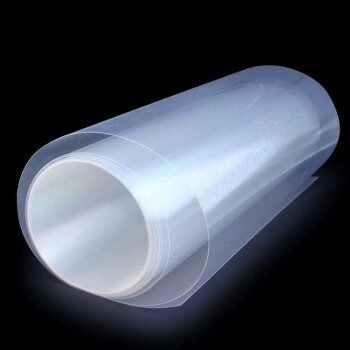
The Role of the Polymer Membrane
The Triple-Function Architecture
In a PEM electrolyzer, the polymer membrane is not merely a passive separator. It serves a simultaneous triple function: acting as the electrolyte for ion conduction, the structural support for the electrodes, and the physical barrier for gas separation.
This integration simplifies the manufacturing process by reducing the number of components required. It eliminates the need for liquid electrolytes, which streamlines system maintenance and design.
Achieving High Current Density
Because the membrane is solid and highly conductive, it significantly reduces ohmic voltage drops (resistance losses) within the cell.
This efficiency allows PEM electrolyzers to operate at much higher current densities than alkaline counterparts. The practical result is a significantly more compact equipment footprint, making it easier to integrate into solar installations where space or weight may be constrained.
Addressing the Intermittency of Solar Power
Handling Power Fluctuations
Solar energy is inherently unstable; clouds pass, and the sun sets. A critical advantage of PEM technology is its ability to operate effectively under these fluctuating power inputs.
The primary reference notes that the polymer membrane ensures stability even when the energy supply varies. This allows the electrolyzer to "load follow" the solar array directly, maximizing hydrogen production during peak sun hours without losing efficiency during partial shading.
Ensuring Safety and Purity
Safety is paramount when generating hydrogen (fuel) and oxygen (oxidizer) in the same stack. The proton permeable membrane acts as a robust physical shield between the anode and cathode compartments.
This barrier allows protons to pass freely to close the circuit but physically blocks product gases from crossing over. This prevents gas recombination, ensuring the hydrogen produced is of high purity. Crucially, it eliminates the risk of explosion associated with gas mixing, a risk that can increase in other systems when operating pressures change due to variable solar input.
Understanding the Trade-offs
Dependence on Membrane Integrity
While the multi-functional nature of the membrane is an asset, it is also a single point of failure. Because the membrane performs the critical task of gas separation, its structural integrity is the primary safeguard against safety hazards.
Thermal and Pressure Management
PEM systems are designed for high-performance and high-pressure operation. While this yields compact designs and pressurized hydrogen (saving on downstream compression costs), it necessitates rigorous engineering to ensure the membrane can withstand the thermal and mechanical stresses of rapid startup and shutdown cycles common in solar applications.
Making the Right Choice for Your Goal
When designing a solar hydrogen system, the choice of electrolyzer depends on your specific operational constraints.
- If your primary focus is compact system design: PEM is the superior choice due to its ability to operate at high current densities, reducing the physical footprint of the equipment.
- If your primary focus is safety with variable power: PEM is recommended because the solid membrane prevents gas mixing and explosion risks, even when the solar power input fluctuates drastically.
- If your primary focus is gas purity: The PEM architecture inherently prevents product cross-over, delivering high-purity hydrogen directly from the stack without complex purification stages.
The PEM electrolyzer represents the intersection of high efficiency and operational robustness, making it the standard-bearer for modern, variable-input solar hydrogen production.
Summary Table:
| Feature | PEM Electrolyzer Advantage | Benefit for Solar Integration |
|---|---|---|
| Responsiveness | Dynamic load-following | Efficiently handles intermittent solar power |
| Current Density | High (Solid Polymer Electrolyte) | Compact equipment footprint for space-saving |
| Safety | Robust physical gas barrier | Prevents gas mixing during power fluctuations |
| Gas Purity | Zero cross-over architecture | High-purity hydrogen without complex purification |
| Operational Pressure | High-pressure output | Reduces downstream compression costs |
Elevate Your Hydrogen Research with KINTEK
Transitioning to green energy requires reliable, high-performance tools. KINTEK specializes in cutting-edge laboratory solutions, providing the precision electrolytic cells, electrodes, and high-pressure reactors essential for advancing solar hydrogen technology. Our comprehensive portfolio—ranging from advanced crushing and milling systems to high-temperature furnaces—is designed to meet the rigorous demands of material science and renewable energy research.
Ready to optimize your hydrogen production system? Contact us today to discover how our specialized equipment and expert support can accelerate your lab's breakthroughs.
References
- Harry L. Tuller. Solar to fuels conversion technologies: a perspective. DOI: 10.1007/s40243-017-0088-2
This article is also based on technical information from Kintek Solution Knowledge Base .
Related Products
- Customizable PEM Electrolysis Cells for Diverse Research Applications
- Proton Exchange Membrane for Batteries Lab Applications
- Thin-Layer Spectral Electrolysis Electrochemical Cell
- Custom Ion Conductivity Test Fixtures for Fuel Cell Research
- FS Electrochemical Hydrogen Fuel Cells for Diverse Applications
People Also Ask
- What are the risks of improper voltage control in an electrolysis cell? Avoid Costly Damage and Inefficiency
- What are the opening configurations for the non-sealed and sealed versions of the electrolysis cell? Optimize Your Electrochemical Setup
- What is an electrolysis cell? A Guide to Driving Chemical Reactions with Electricity
- What parameters must be strictly controlled during the electrolysis process? Ensure Precision and Efficiency
- What are the precautions for heating or sterilizing an electrolysis cell? Avoid Damaging Sensitive Components