Silicon Carbide (SiC) grinding consumables are required to polish pressed LLZO green bodies, specifically to strip away surface contaminants and oxide layers that accumulate during the pressing phase. This mechanical refinement is a mandatory step to ensure the ceramic material maintains the chemical purity and surface quality necessary for effective sintering.
Surface treatment with SiC is not merely cosmetic; it is a critical purification step that eliminates pressing-induced oxide layers to ensure the chemical integrity and physical flatness of the final sintered ceramic.
The Role of Surface Preparation in LLZO Fabrication
Removal of Pressing Contaminants
During the pressing stage of LLZO green bodies, the material is susceptible to surface contamination.
Oxide layers and other impurities often accumulate on the exterior of the pellet. SiC consumables are used to mechanically polish these layers away before the material enters the furnace.
Ensuring Chemical Purity
The primary objective of using SiC is to re-establish the chemical purity of the ceramic pellet.
By physically grinding away the outer layer, you remove foreign materials that could react adversely during the high-heat sintering process. This ensures the bulk material retains its intended stoichiometry.
Impact on Sintering Outcomes
Eliminating Surface Defects
Surface defects present on the green body can be exacerbated during sintering.
Polishing with SiC refines the surface texture, removing micro-defects that could act as stress concentrators or initiation points for cracks in the final electrolyte.
Achieving High Surface Flatness
The geometry of the final product is determined by the quality of the green body.
SiC treatment creates a uniform, flat surface on the pressed pellet. This flatness is retained and is crucial after the sintering process is complete, especially for ensuring good contact in solid-state battery stacks.
Risks of Inadequate Surface Treatment
The "Oxide Layer" Pitfall
A common oversight is assuming the pressed green body is ready for sintering immediately after compaction.
Without SiC polishing, the accumulated oxide layer remains on the surface. Sintering a pellet with this layer intact can compromise the chemical composition of the surface, leading to poor ionic conductivity or interfacial resistance.
Compromised Structural Integrity
Skipping the polishing step leaves surface irregularities in place.
These irregularities prevent the achievement of high surface flatness. In solid-state electrolytes, a lack of flatness can lead to poor interface contact with electrodes, rendering the component ineffective.
Making the Right Choice for Your Goal
To maximize the performance of your LLZO electrolytes, you must prioritize surface quality at the green body stage.
- If your primary focus is Chemical Purity: Ensure the SiC polishing step is aggressive enough to fully remove any oxide layers formed during the pressing stage.
- If your primary focus is Mechanical Integration: Prioritize the polishing process to achieve maximum flatness, which is essential for stacking and contact after sintering.
Treat the green body surface preparation as a critical quality control gate, not just a finishing step.
Summary Table:
| Step in LLZO Preparation | Primary Purpose of SiC Grinding | Impact on Sintering Outcome |
|---|---|---|
| Contaminant Removal | Strips oxide layers & pressing residues | Ensures high chemical purity & stoichiometry |
| Surface Refinement | Eliminates micro-defects & irregularities | Prevents cracks & structural stress points |
| Geometric Tuning | Achieves high surface flatness | Ensures superior interfacial contact in battery stacks |
Elevate Your Solid-State Battery Research with KINTEK
Precision in LLZO fabrication starts with the right tools. KINTEK specializes in high-performance laboratory equipment and consumables designed for advanced material science. From the initial compaction using our hydraulic pellet presses to the final heat treatment in our vacuum and atmosphere furnaces, we provide the end-to-end solutions you need.
Our premium Silicon Carbide (SiC) grinding consumables and ceramic crucibles are engineered to prevent contamination and ensure the structural integrity of your solid-state electrolytes. Whether you are developing LLZO pellets or researching next-generation battery components, KINTEK’s expertise in high-temperature systems and material processing gives you the competitive edge.
Ready to optimize your sintering results and achieve superior ionic conductivity?
Contact KINTEK Today for Expert Consultation
Related Products
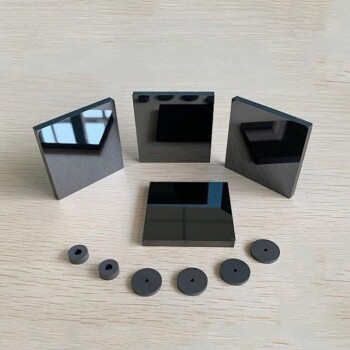
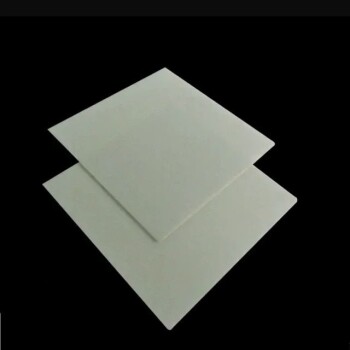
- Silicon Carbide (SIC) Ceramic Sheet Wear-Resistant Engineering Advanced Fine Ceramics
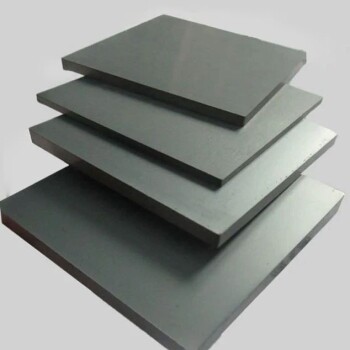
- Silicon Carbide (SIC) Ceramic Plate for Engineering Advanced Fine Ceramics
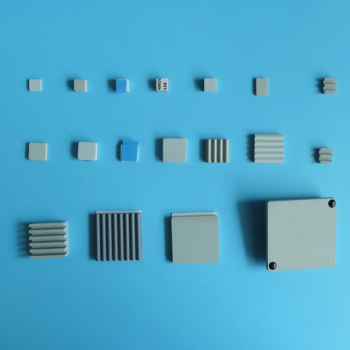
- Silicon Carbide (SIC) Ceramic Sheet Flat Corrugated Heat Sink for Engineering Advanced Fine Ceramics
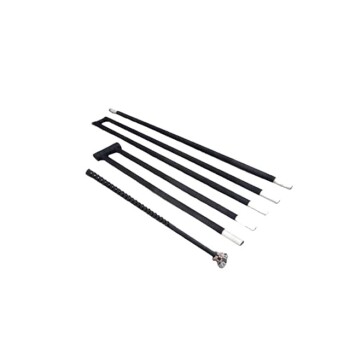
- Silicon Carbide SiC Thermal Heating Elements for Electric Furnace
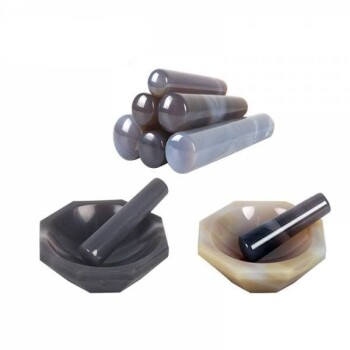
- Nature Agate Mortar and Pestle for Grinding and Mixing
People Also Ask
- What is the strongest ceramics? Silicon Carbide Leads in Hardness & Thermal Strength
- What are the properties and applications of silicon carbide ceramics? Solve Extreme Engineering Challenges
- What are the uses of silicon carbide ceramics in different industries? Master Extreme Performance in Aerospace, Semiconductors & More
- What are the properties of SiC? Unlock High-Temperature, High-Frequency Performance
- What are the applications of silicon carbide? From Abrasives to High-Tech Semiconductors